
An Environment Built on Art
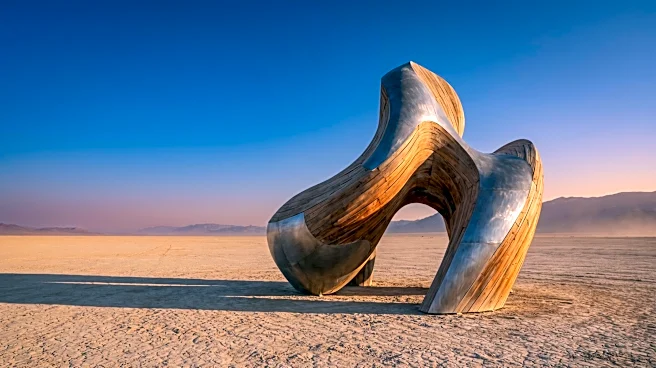
At most festivals, art is a backdrop for the main event: the music. At Burning Man, this dynamic is flipped. The art is the event. For one week, the vast, empty canvas of the Nevada desert is transformed
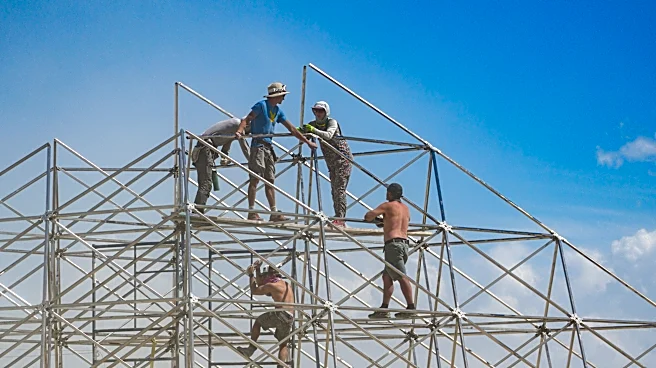
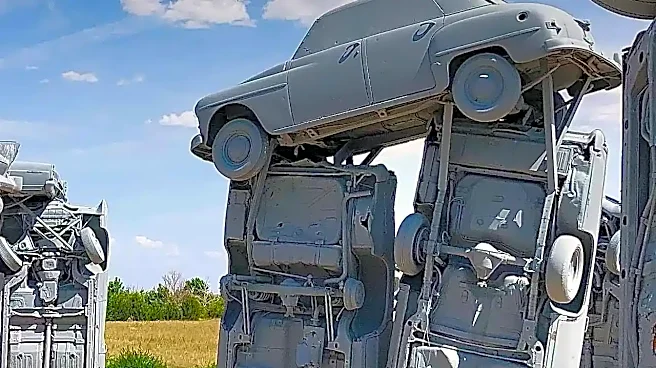
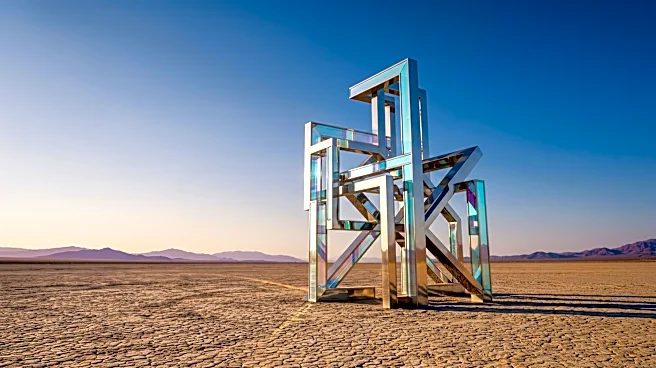
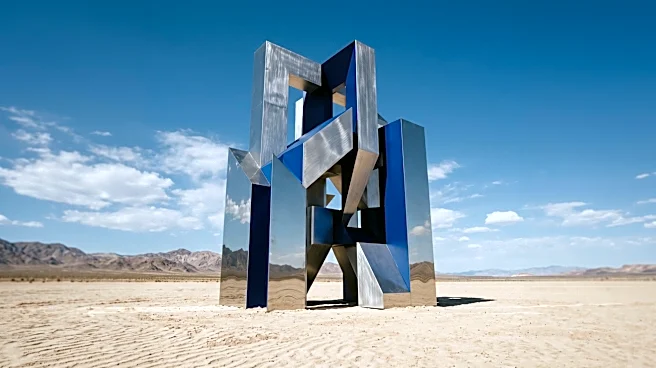
into a sprawling, open-air gallery of monumental sculptures and interactive installations. Rather than being confined to a stage, creativity is woven into the fabric of the temporary city itself. The entire seven-square-mile space becomes a collective art expression. Participants don't just look at art; they inhabit it. From fire-breathing metal dragons to massive, climbable structures, the playa is an immersive world built by its citizens, for its citizens, making the environment itself the primary experience.
Participation Is the Point
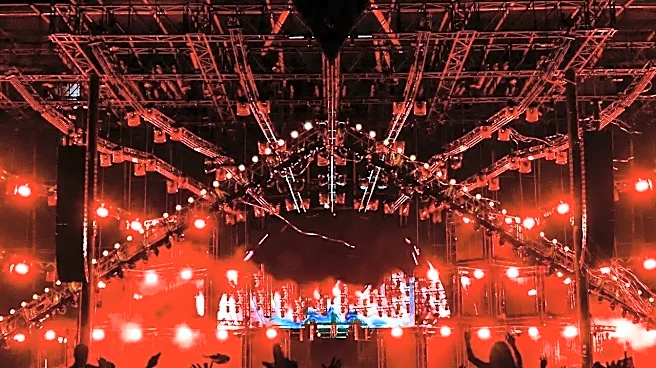
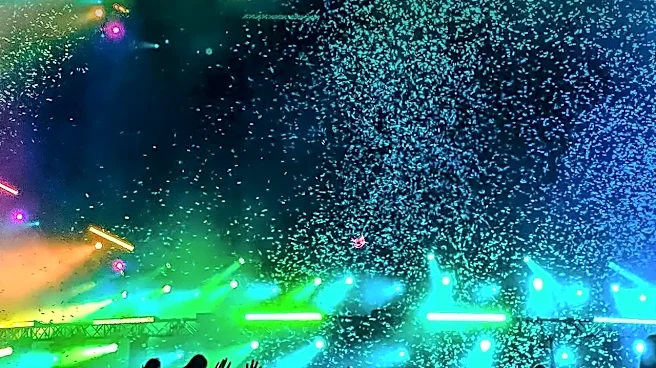
A core tenet of Burning Man is “no spectators.” This principle, known as radical participation, is key to understanding the art's impact. A DJ performs for an audience, creating a one-way experience. In contrast, much of the art on the playa demands interaction. You are encouraged to climb on it, touch it, add to it, and engage with it. This participatory nature transforms passive consumption into active creation. The experience isn't about watching a show; it's about becoming part of the installation. This collaborative spirit erodes the traditional barrier between artist and audience, making every attendee a co-creator of the city's living, breathing spectacle.
Creativity Without a Price Tag
Imagine a world-class art exhibition with nothing for sale. This is the reality of Burning Man, thanks to its principle of decommodification. No artists are selling their work, no brands are sponsoring installations, and no commercial transactions are allowed. This removes the pressures of the commercial art world, liberating artists to create for the sake of pure expression, not profit. The art is offered as a gift to the community. This non-transactional environment fosters a sense of creative abundance and authentic connection, as the art's value is purely in the experience it provides, not its market price. This makes the encounter with art feel more profound and less like an advertisement.
The Power of Impermanence
Perhaps the most powerful aspect of Burning Man's art is that much of it is designed to be destroyed. The week culminates in two significant burns: the raucous burning of the Man on Saturday and the silent, solemn burning of the Temple on Sunday. The Temple, in particular, is a deeply personal space where attendees leave messages, photos, and mementos to release grief, celebrate loved ones, or let go of the past. Its destruction is a quiet, collective ritual of catharsis and transformation witnessed by tens of thousands in near silence. This act of embracing impermanence—of pouring immense creativity into something never meant to last—creates an emotional and spiritual climax that a concert simply cannot replicate. The memory isn't of an object, but of a shared, fleeting, and deeply meaningful moment.