







The Starting Line: A Film Without a Home
Before the glitz of a festival premiere, an independent film is an incredibly vulnerable asset. A filmmaker and their team have poured years of work and often millions of dollars—some of it their own—into a project with no guaranteed audience. The film is finished,
but it has no path to the public. It's essentially a product sitting in a digital warehouse, invisible to the world. Enter the distributor. These are the companies, from indie powerhouses like A24 and Neon to streaming giants like Netflix and Amazon, that have the infrastructure and capital to bring a movie to theaters or living rooms. Before a festival, the power dynamic is heavily skewed. Filmmakers, often represented by a sales agent, are in the position of asking. They approach distributors, hoping someone sees potential in their screener link. The offers, if they come at all, are often conservative, reflecting the distributor's risk in acquiring an unproven film.
The Festival as a Proving Ground
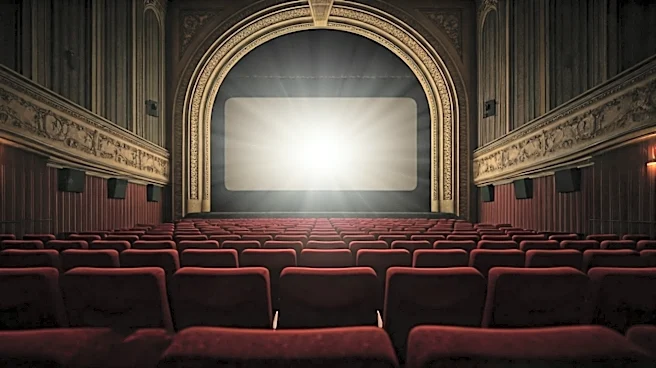
This is where a festival like Tribeca, Sundance, or Cannes changes everything. Getting accepted is the first win. But the premiere screening is the main event. For the first time, the film isn't just a file being watched on a laptop; it's a communal experience. This is the ultimate test. Will the jokes land? Will the dramatic moments create a hush in the crowd? Will the ending earn a standing ovation or polite, awkward applause? Distributor acquisitions executives are in that audience, and they aren't just watching the movie—they're watching the audience. They're gauging the reaction in real time. Is there a palpable buzz in the lobby afterward? Are critics rushing to their phones to tweet their excitement? A positive screening replaces a distributor’s biggest unknown—audience appeal—with tangible data. The film is no longer a theoretical asset; it's a proven product with demonstrated demand.
Building Buzz: The Currency of Leverage
In the hours and days following a successful premiere, leverage begins to shift dramatically. The currency of this new power is “buzz.” It’s an intangible but immensely valuable force composed of several elements. First, glowing reviews from respected trade publications like *Variety* or *The Hollywood Reporter* act as a seal of approval, validating the film's quality. Second, audience reaction, measured in applause, social media chatter, and word-of-mouth, proves its commercial viability. A film that becomes the “talk of the fest” is a hot commodity. This buzz creates scarcity and competition. The filmmaker is no longer knocking on doors. Instead, the distributors are coming to them. A sales agent who might have struggled to get a call back is now fielding multiple inquiries. The conversation shifts from, “Will you please buy our film?” to, “What is your plan to make our film a success?” The filmmaker is no longer just selling a movie; they are choosing a strategic partner.
The Bidding War: Cashing in the Leverage
When multiple distributors want the same film, a bidding war ignites, and this is where the filmmaker’s newfound leverage truly shines. The negotiation is no longer just about the initial price tag (the “minimum guarantee”). Now, the filmmaker can demand better terms. They can push for a higher marketing commitment, ensuring the distributor will spend millions on ads to give the film a real shot at success. They can negotiate for a guaranteed theatrical release, protecting their art from being unceremoniously dumped onto a streaming platform. They can even influence the release date, pushing for a favorable spot on the calendar that positions the film for awards season. In a bidding war, a filmmaker who started with almost no power can now weigh competing visions for their film’s future. One distributor might offer more money upfront, while another promises a more prestigious, artist-friendly rollout. Thanks to a single, successful two-hour screening, the filmmaker gets to make that choice.