

Start with the Rule of Opposites
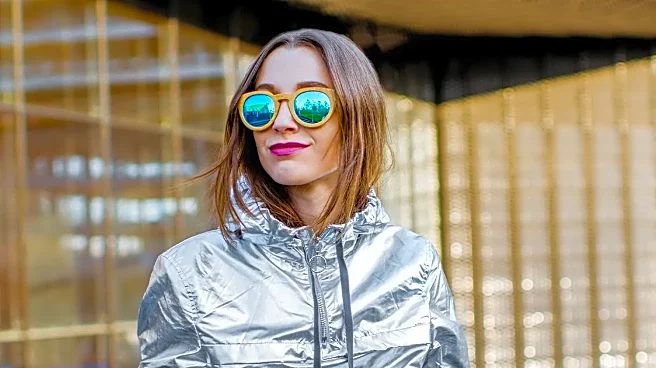
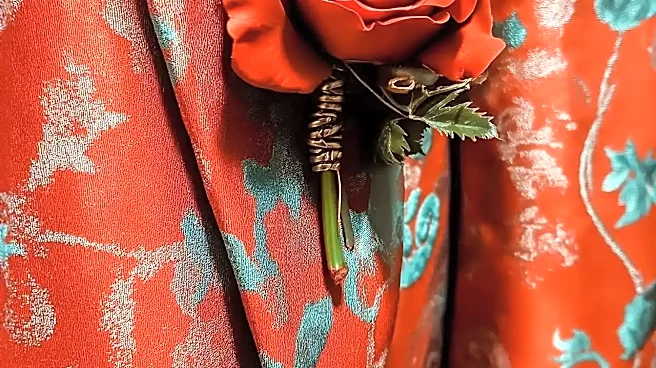
The simplest way to begin mixing textures is to pair fabrics that are complete opposites. Think rough and smooth, structured and flowing, or tough and delicate. This contrast is the foundation of a dynamic outfit. The most classic combination is leather
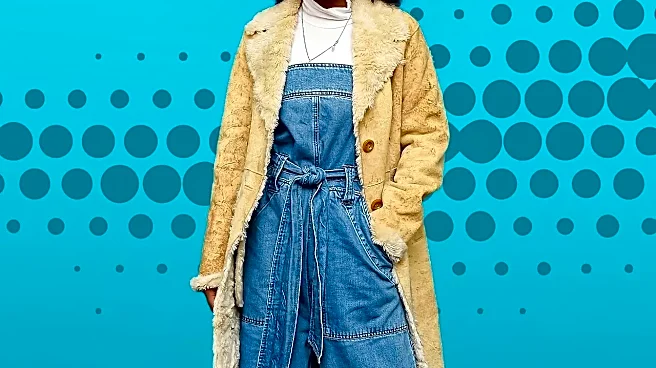
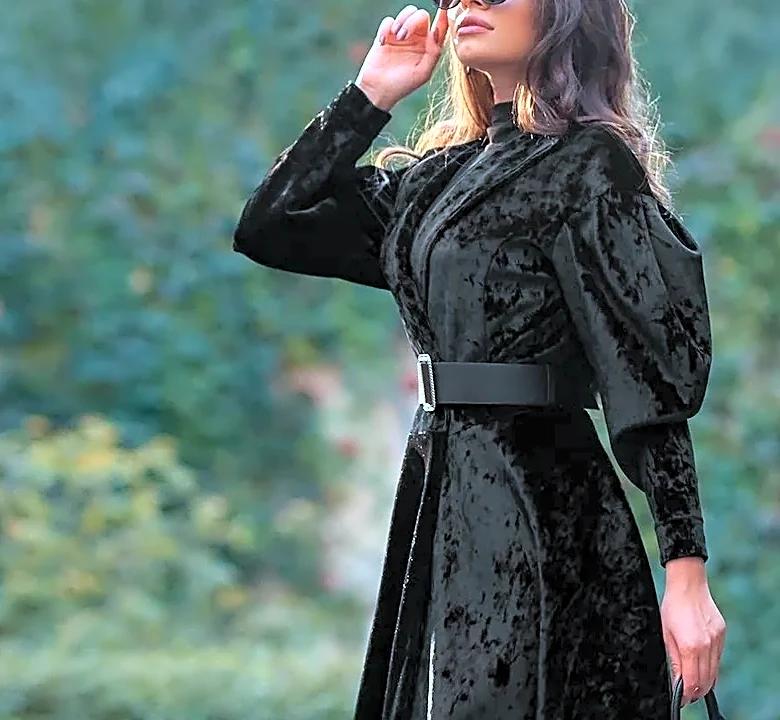
and silk. A sleek leather jacket thrown over a soft silk or satin slip dress is an iconic look that balances edginess with elegance. But this principle extends to other pairings as well. Try rugged, sturdy denim with delicate lace, or a chunky knit sweater with a light, airy chiffon skirt. The goal is to create a visual and tactile contrast that makes each piece pop. Celebrities are often seen playing with this juxtaposition, like pairing a leather skirt with a soft blouse for a look that's both polished and daring.
Choose a Hero Texture
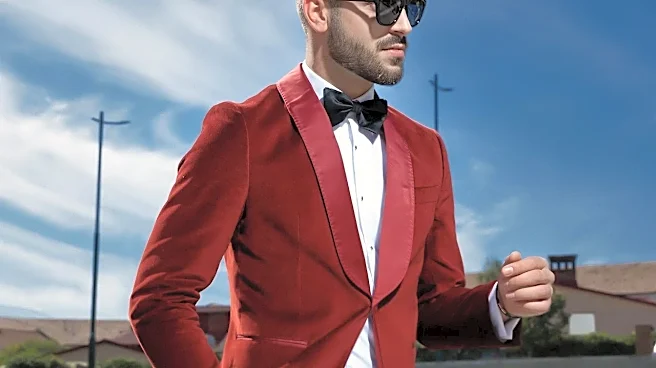
To avoid an outfit that feels chaotic, it helps to choose one dominant texture to build around. This 'hero' piece will be the focal point of your look. For example, if you have a statement faux fur coat, a pair of eye-catching leather pants, or a sequined skirt, let that item be the star. Build the rest of your outfit with more subdued, complementary fabrics. If your hero is a bold leather skirt, pair it with a simple cotton tee or a smooth satin camisole to let the skirt do the talking. This approach ensures your outfit feels intentional and sophisticated rather than visually cluttered. It's a strategy that allows you to experiment with bold textures without the risk of overdoing it.
Anchor Your Look with Neutrals
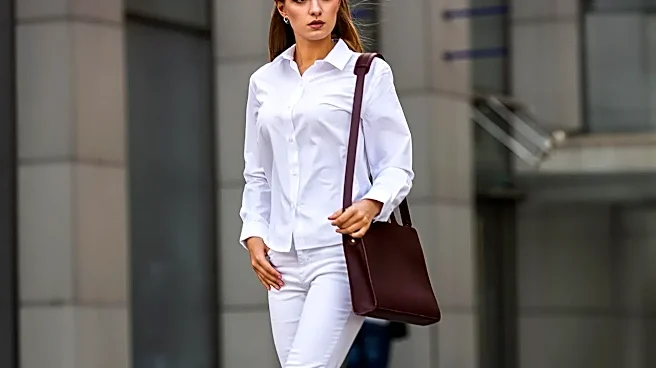
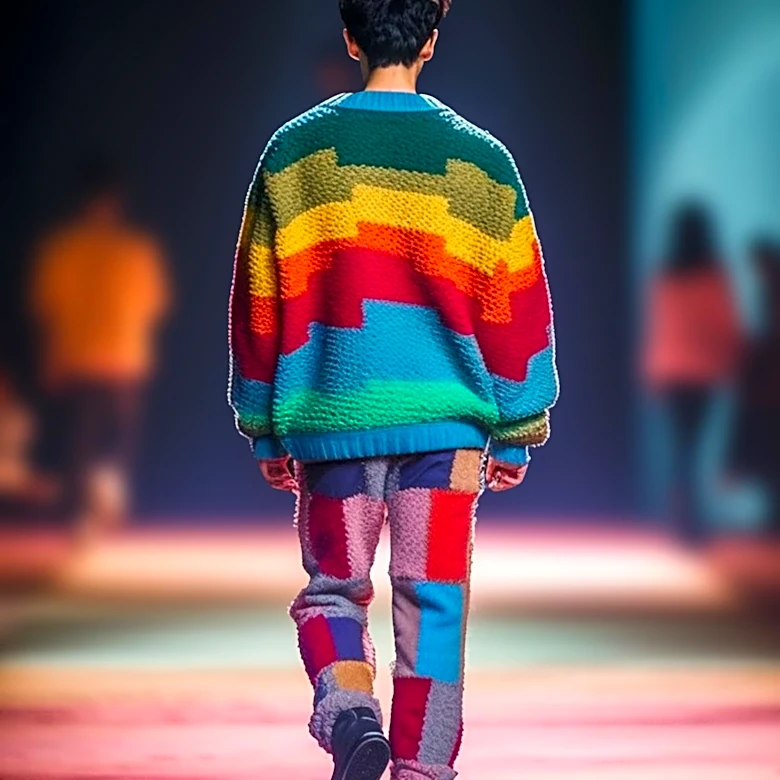
When you're first experimenting with texture, sticking to a neutral color palette can make the process much easier. Shades like black, white, gray, beige, and navy allow the different textures to stand out without competing with bold colors. An all-black outfit, for example, can go from flat to fascinating by simply combining different materials like wool, leather, and silk. Once you're more comfortable, you can start introducing color. A common strategy is to keep most of the outfit neutral and add one pop of color in a textured piece, like a vibrant knit sweater or a colorful suede bag. This keeps the look grounded while still being visually exciting.
Mind Your Proportions
Balance is everything, and that applies to the shape and volume of your clothes, not just the feel of the fabrics. When pairing different textures, pay attention to proportions to create a harmonious silhouette. If you’re wearing something bulky or heavy on top, like a chunky cable-knit sweater, it’s often best to pair it with something sleek and form-fitting on the bottom, such as leather leggings or a silk skirt. Conversely, if you're wearing voluminous, flowing trousers, a more structured or fitted top can provide a pleasing contrast. This interplay between bulky and delicate pieces ensures that your outfit has structure and doesn’t overwhelm your frame.
Don't Forget About Accessories
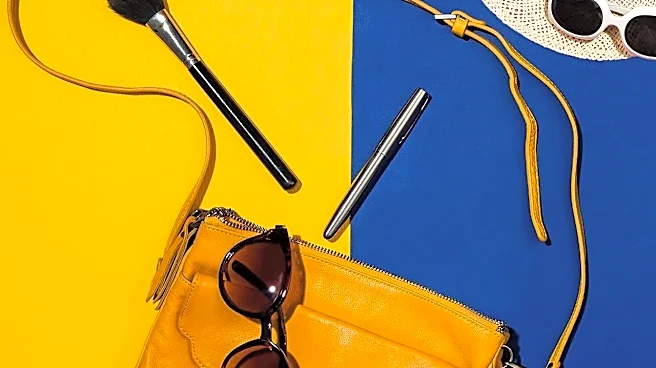
If you’re hesitant to commit to a full outfit of mixed textures, accessories are the perfect way to dip your toes in the water. A leather bag paired with a soft cashmere sweater, a silk scarf tied to a denim jacket, or a pair of suede boots with a cotton dress can all add a touch of textural contrast without a major commitment. Accessories can be used to introduce either the 'hard' or 'soft' element. For instance, a metal-studded belt can add an edge to a soft, flowing maxi dress, while a fluffy knit beanie can soften a structured leather jacket. It's an easy, low-risk way to add dimension and a stylist's touch to even the simplest of looks.