
From Hidden Layer to Center Stage
For decades, the slip was a garment never meant to be seen. Originating in the early 20th century, it was a simple, functional piece of lingerie worn under dresses to help them hang smoothly. It was a secret
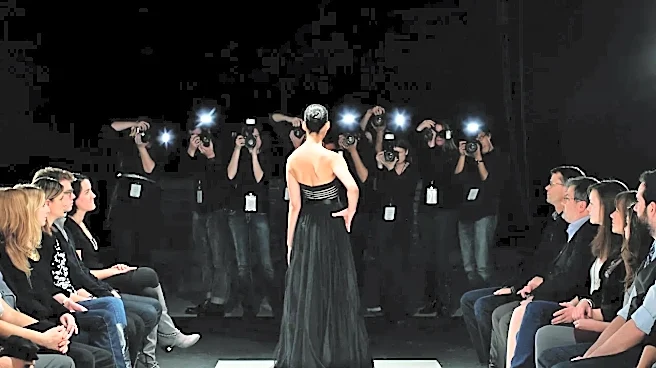
layer, a practical necessity. But in the 1990s, everything changed. In a rebellion against the bold, structured power-dressing of the 80s, designers like Calvin Klein and John Galliano championed a new minimalism. They took the slip from the boudoir to the runway, transforming it from underwear to outerwear. Suddenly, this once-hidden garment was the main event, famously worn by supermodels like Kate Moss and cultural icons like Carolyn Bessette-Kennedy. This history gives the slip dress its edge; wearing one is a subtle nod to that rule-breaking, minimalist moment.
The Genius of the Bias Cut
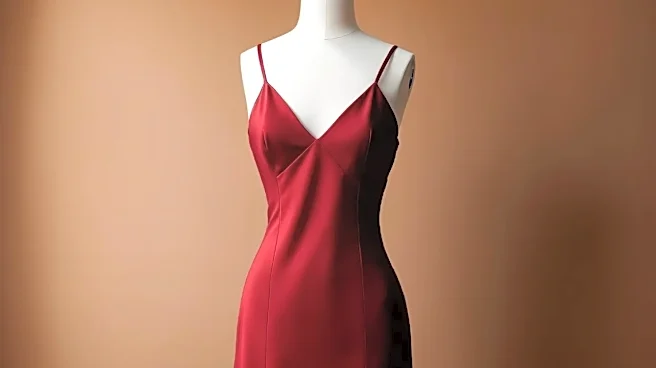
The secret weapon of a high-quality slip dress is the bias cut. This technique, which involves cutting the fabric diagonally across its grain, is what gives the dress its signature fluid drape. Instead of clinging tightly or hanging stiffly, a bias-cut dress skims the body's curves, moving with you to create a graceful and flattering silhouette. This construction is fundamental to the dress's appeal; it offers a sensuality that is elegant rather than restrictive. The simple spaghetti straps and uncluttered neckline further enhance this minimalist aesthetic, drawing focus to the fabric and the wearer's silhouette. It’s a prime example of how thoughtful construction, not excessive embellishment, creates timeless design.
Why Material Is Everything
While the cut provides the shape, the fabric provides the soul. A slip dress lives or dies by its material. The classic choice is silk, prized for its luxurious feel, natural sheen, and beautiful drape. Satin, which can be made from silk or synthetic fibers, offers a similar glossy finish and is another popular option. These materials are chosen for their liquid-like quality and subtle luster, which elevates the simple silhouette into something special. A slip dress made from a cheap, flimsy material will never hang correctly, but one made from high-quality silk or a substantial satin feels and looks luxurious, making it a true investment piece. The tactile experience of the fabric against the skin is an integral part of its enduring appeal.
The Ultimate Style Chameleon
Perhaps the most significant reason for the slip dress’s longevity is its unparalleled versatility. It functions as a blank canvas, easily adapted to any style, season, or occasion. For a casual daytime look, it can be layered over a simple t-shirt and paired with sneakers and a denim jacket. For the office, a midi-length slip worn under a tailored blazer with loafers is both chic and professional. For a wedding or formal event, the same dress can be worn on its own with heels and statement jewelry. This ability to be dressed up or down makes it one of the hardest-working items in a wardrobe. It can be made winter-appropriate with a chunky knit sweater and boots, or kept simple for a summer evening, proving its value year-round.