






Understanding the Paper-Touch Finish
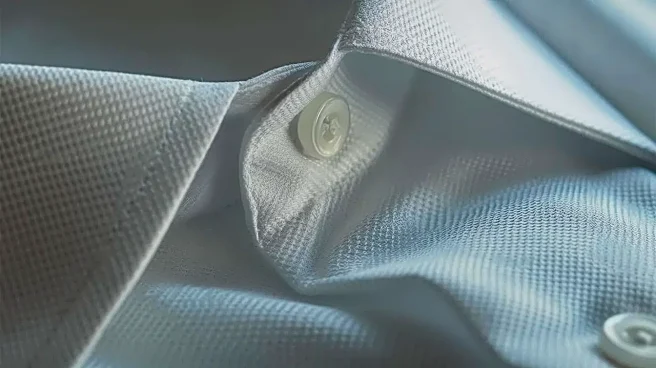
Before you begin, it helps to know what you’re aiming for. A paper-touch finish transforms soft, pliable cotton into something with more body, structure, and a subtle rustle, similar to kraft paper or a crisp sheet of parchment. This effect is achieved
by treating the fabric’s fibers to make them stiffer. Industrially, this process, sometimes called parchmentizing, can involve harsh chemicals like sulfuric acid that alter the cellulose fibers. However, there are much safer, non-damaging methods you can use at home to get a similar crisp hand-feel without compromising the strength of your cotton fabric.
Method 1: The Reversible Starch Treatment
The easiest and most accessible way to create a temporary paper-touch finish is with a simple cornstarch solution. This method is completely reversible with washing, making it ideal for experimenting. It works by coating the fibers, adding stiffness once dried and heated.
What You'll Need: 1 tablespoon cornstarch 2 cups cold water A clean spray bottle An iron
Step-by-Step Instructions: 1. Prepare the Solution: In a bowl, mix the cornstarch with about a quarter cup of the cold water to create a smooth, dissolved paste. This prevents lumps. Once smooth, stir in the remaining water until fully combined. 2. Apply to Fabric: Pour the mixture into your spray bottle. For best results, work with slightly damp, clean fabric. Hold the bottle about 6-8 inches away and spray an even, light mist across the entire surface. The goal is to dampen it, not soak it. 3. Heat Set the Finish: Let the starch absorb for about a minute. Then, using a hot, dry iron (no steam), press the fabric until it is completely dry. The combination of starch and heat will create a noticeable crispness and stiffness. For a heavier finish, you can apply a second coat and iron again.
Method 2: The Semi-Permanent Beeswax Finish
For a more durable and water-resistant finish that holds its shape, a beeswax treatment is an excellent option. This centuries-old technique coats and partially impregnates the cotton fibers, giving them a rigid quality that softens slightly over time into a desirable patina.
What You'll Need: 100% beeswax pellets or a solid bar A dedicated pot or double boiler Parchment paper An iron
Step-by-Step Instructions: 1. Melt the Wax: Gently melt the beeswax in a double boiler. If you don't have one, you can place a heatproof bowl over a pot with an inch of simmering water. Using low, gentle heat is key to prevent scorching. 2. Apply to Fabric: Lay your clean, dry cotton fabric on a flat, protected surface. You can either rub the solid bar of wax directly onto the fabric for a textured application or use a brush to apply a thin, even layer of melted wax. 3. Heat Set the Wax: Place a sheet of parchment paper over the waxed area. With your iron on a medium-hot setting, press down on the parchment paper. The heat will melt the wax further, driving it into the fabric fibers for an even coating. Keep the iron moving to avoid scorching. Let the fabric cool completely; it will feel stiff and papery to the touch.
Caring For Your Finished Cotton
Proper care is essential to maintain the finish and the integrity of the fabric. For cotton treated with the starch method, the finish is temporary. It will wash out in the laundry, but you can easily reapply it after each wash by following the same steps. For beeswax-coated cotton, avoid machine washing. Instead, spot-clean with a damp cloth and mild soap if necessary. The waxed finish provides a good degree of water and dirt resistance, reducing the need for frequent cleaning. Over time, the fabric will develop unique creases and a softer hand, but the underlying stiffness will remain. You can re-wax areas that see heavy wear to restore their rigidity.