



A Study in Sheer Genius
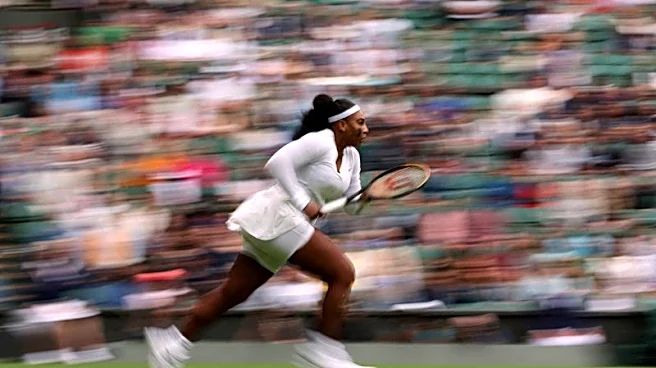
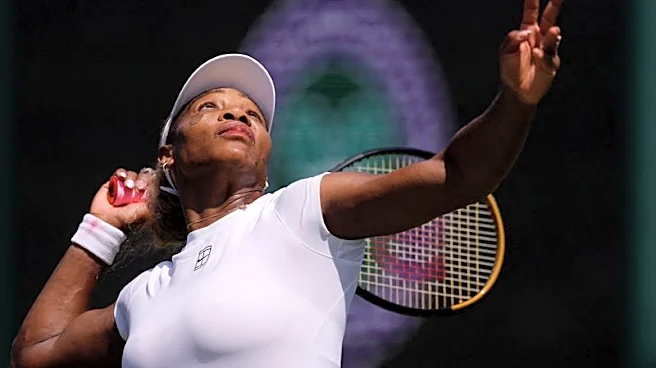
On the manicured lawns of the All England Club, where the all-white dress code can feel both sacred and stifling, Venus Williams has once again proven she is a master of nuance. Her 2026 tournament attire, from her own brand EleVen, appears simple at first
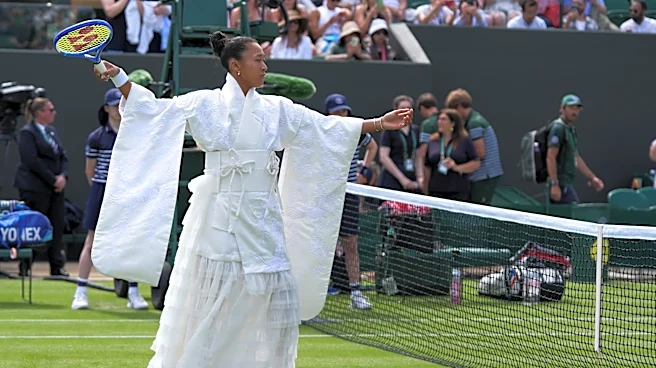
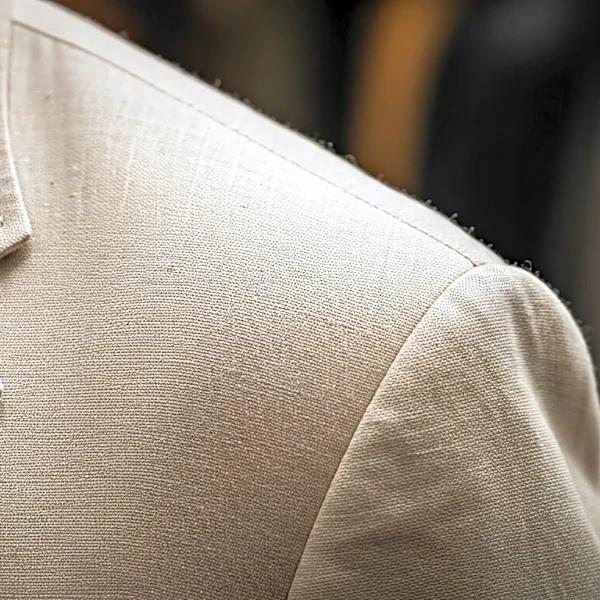
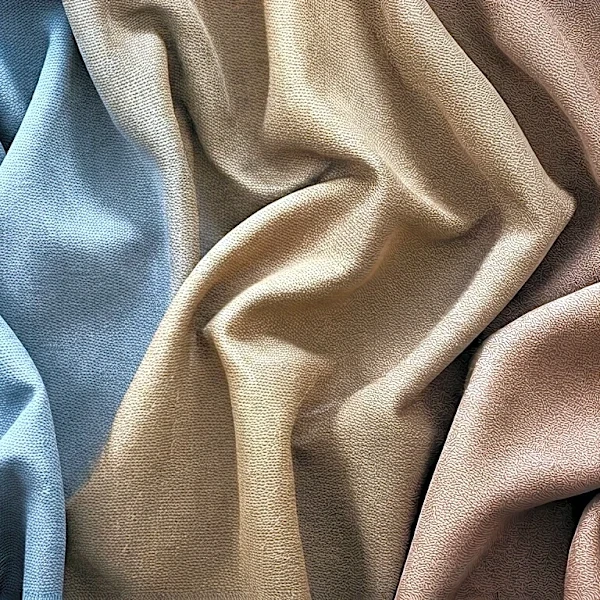
glance: a high-performance, form-fitting tennis dress. But worn over it is the masterstroke: a sheer, near-weightless silk organza overlay. The piece, meticulously crafted, moves with her, catching the London light and creating an ethereal, ghost-like effect over the powerful athletic form beneath. It’s a study in contrasts—the delicate, almost fragile nature of the fabric against the undeniable power of one of the sport's greatest athletes. This isn't just an outfit; it’s a statement on the multifaceted nature of female strength, demonstrating that grace and power are not mutually exclusive.
Whispers of Tennis Past
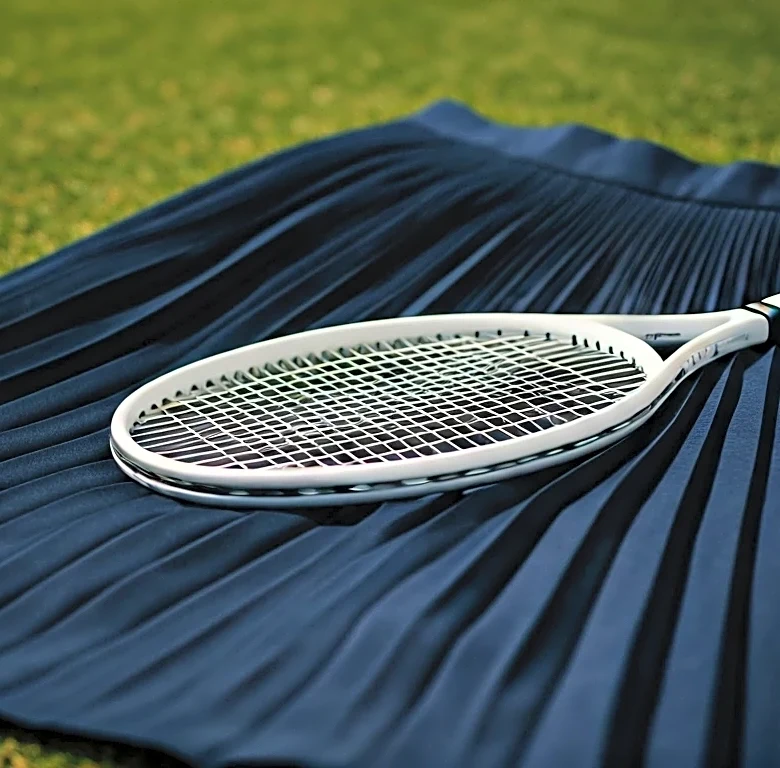
The choice of a flowing, semi-transparent overlay is deeply rooted in tennis history, a fact that a student of the game like Venus surely understands. The silhouette is a direct nod to the earliest days of women's tennis, long before performance fabrics were invented. In the late 19th and early 20th centuries, women competed in full-length skirts, corsets, and long sleeves—cumbersome layers borrowed from everyday fashion. While Williams’s overlay is a modern, featherlight interpretation, it evokes the spirit of those historical garments. It particularly calls to mind the revolutionary shift brought by French icon Suzanne Lenglen in the 1920s, who scandalized the establishment by competing in knee-length pleated skirts and sleeveless tops that allowed for greater movement. Venus's outfit acts as a bridge, connecting the restrictive femininity of the past with the liberated athleticism of the present in one sophisticated design.
The Venus Williams Fashion Lexicon
This moment is quintessential Venus. Throughout her career, she has used fashion as a form of expression and, at times, protest. Who could forget her controversial black lace 'can-can' dress at the 2010 French Open, or the myriad of bold colors and designs that challenged the sport's conservative norms? This Wimbledon look is a more mature, refined evolution of that same spirit. Her brand, EleVen, was founded on the principle of helping women feel like a '10' is not enough, encouraging them to be an '11'. By integrating a high-fashion concept like an organza overlay into a performance garment, she continues to push the boundaries she helped dismantle. She isn’t just wearing clothes; she is curating a narrative, reminding the world that she is not only an athlete but a designer and a visionary with a deep appreciation for craft.
Hacking the All-White Mandate
Wimbledon’s all-white rule is one of the most famous and rigid dress codes in all of sports. For designers, it presents a unique challenge: how do you innovate within such a restrictive palette? Over the years, players and brands have experimented with cut, texture, and subtle detailing to stand out. Williams’s organza overlay is a masterful example of this. It adheres perfectly to the rule—it is, after all, white. Yet, it completely transforms the look, adding a layer of texture, dimension, and sartorial intelligence that a simple dress lacks. It’s a clever hack, a way of being both compliant and rebellious. The overlay doesn't add color, but it adds a story, demonstrating that true creativity thrives within constraints, using them not as a barrier but as a blueprint for ingenuity.