





The Philosophy of Sprezzatura
To understand Milanese style, you first have to understand *sprezzatura*. Coined in the 16th century, the term roughly translates to a “studied carelessness.” It’s the art of making the difficult look easy, of appearing impeccably stylish without seeming
to have tried at all. This isn't about being messy; it's about a level of mastery so profound that you can afford to break a few minor rules. The buttons on a surgeon’s cuff left undone, a tie knot that’s just a little imperfect, a pocket square casually tucked—these are the tells. The risk isn't in the clothes themselves, but in the attitude required to wear them. It’s a quiet confidence that can be easily misinterpreted in a culture that often prefers more straightforward sartorial signals.
The Unstructured Blazer
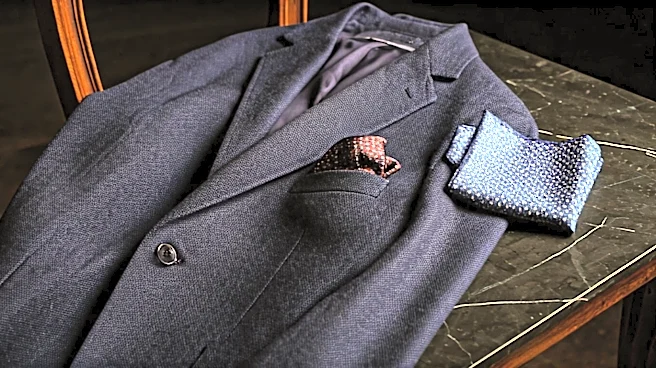
Take the quintessential Milanese blazer. Unlike its structured British or American counterparts with their padded shoulders and rigid construction, the Italian version is soft, light, and drapes like a cardigan. It’s the backbone of the look. But here’s the risk: where do you wear it? In many American offices, it can feel too relaxed, lacking the armor-like authority of a traditional suit jacket. For a casual weekend outing, it can feel too dressed up. It occupies a liminal space between formal and informal that requires real confidence to navigate. Pulling it off means you’re not just wearing a jacket; you’re making a deliberate statement about your comfort with sartorial ambiguity.
The Sockless Loafer
Nothing screams Italian summer style quite like a pair of beautiful leather or suede loafers worn without socks. It’s a look that evokes leisurely afternoons spent with an Aperol spritz. The aesthetic is clean, sharp, and effortlessly cool. The risk for the American man, however, is substantial. Go sockless to a corporate meeting, and you might get side-eye for appearing unprofessional. Wear them in the wrong context, and you risk looking like you’re on vacation when you’re just running errands. It’s a style choice that toes the line between sophisticated and slovenly, and its success depends entirely on the context and the wearer’s panache. Get it right, and you’re a style icon; get it wrong, and you just look like you forgot to do your laundry.
The Perfectly Draped Scarf
In Milan, a fine-gauge cashmere or silk scarf isn’t just for warmth; it’s an essential accessory, draped artfully around the neck year-round. It adds a pop of color, a layer of texture, and an immediate dose of European sophistication. It's a simple piece, but wearing one in the U.S. outside of a blizzard can feel performative. There’s an inherent risk of looking affected, of seeming like you’re playing a character named “Dashing Gentleman.” The Milanese man wears it with the same thoughtlessness he’d give to a baseball cap. For an American, it requires overcoming a cultural instinct that such flourishes are reserved for the theatrical or the overtly fashion-conscious. The risk is looking like you're trying too hard to achieve the very effortlessness you're aiming for.
The Real Risk Is Confidence
Ultimately, the “risk” of Milanese style isn't about fashion faux pas. It's a social risk. These pieces challenge American conventions of what constitutes dressing up or dressing down. They demand a certain self-possession. You have to own the look. The man who successfully pulls off the unstructured blazer and sockless loafers isn’t just wearing clothes; he’s projecting an aura of control and nonchalance. He understands the rules so well that he knows precisely how to bend them for his own comfort and pleasure. The slight risk you feel when putting on these pieces is the thrill of stepping outside the familiar, a quiet bet on your own taste over established norms.