




August's Ambiguous Antagonists
The late-summer movie and streaming slate for August 2026 is a testament to our growing fascination with the anti-hero. Take the sci-fi thriller "The End of Oak Street," which is set to premiere on August 14. While the premise—a suburban neighborhood
transported to a prehistoric world—sounds like a straightforward survival story, the real conflict often arises from within the group, forcing good people to make questionable choices to protect their own. On Netflix, the Swedish crime series "Blood Sacrifice" presents a detective forced to team up with his estranged, morally dubious father to solve a case, blurring the lines between lawman and lawbreaker. Even the star-studded thriller "The Whisper Man" hints at a complex relationship with its villain, forcing a detective to confront his own family's dark history to catch a killer. These aren't simple tales of good versus evil; they're stories that intentionally operate in the gray.
More Than Just a Bad Guy
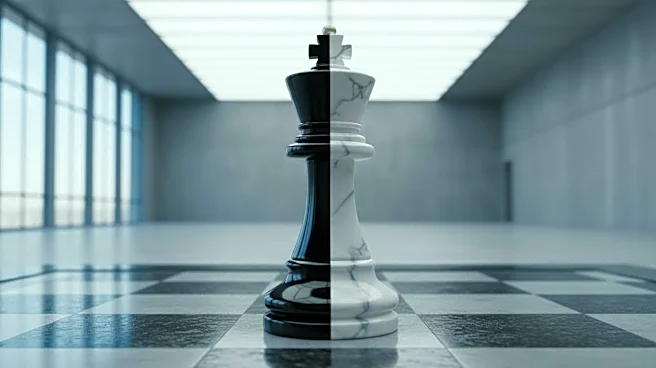
The modern, compelling villain is rarely evil for evil's sake. Instead, their motivations are often rooted in a logic an audience can understand, even if we don't condone their methods. This narrative shift reflects a desire for more sophisticated storytelling. Characters like the Joker in his origin story or Walter White in "Breaking Bad" aren't just malicious; they are products of a broken system or personal trauma, allowing viewers to feel empathy alongside their judgment. The antagonist becomes a vehicle to explore societal failings—inequality, corruption, injustice. When a villain rages against a system that the audience also sees as flawed, it’s hard not to feel a sliver of agreement. Fictional villains provide a safe space—a "cognitive safety net"—for audiences to explore darker impulses and complex ideas without compromising their own self-image.
A Reflection of Our Times
So, why is this trend hitting its stride now? The rise of the morally ambiguous villain mirrors a broader cultural skepticism toward authority and institutions. In an era where clear-cut answers are scarce, audiences are drawn to characters who reflect that complexity. We enjoy watching characters on a journey where a hero can become a villain, or a villain can be redeemed, because it feels more true to life. The days of the flawless hero are fading. Instead, we crave characters whose flaws make them relatable and whose struggles feel authentic. The journey of a character like Loki, from villain to reluctant hero, is compelling because it's a story of internal conflict and moral evolution. These stories don't offer easy answers; they challenge us to question our own definitions of right and wrong.
The Late-Summer Sweet Spot
The August release window has also become a fertile ground for this kind of storytelling. After the straightforward, four-quadrant blockbusters of May and June, August provides a space for weirder, more thought-provoking genre fare. It's the perfect time for studios and streamers to roll the dice on films and series that demand more from their audience. These are not always the feel-good hits of the summer. They are often darker, more introspective, and designed to linger in your mind long after you've watched. They cater to an audience that has grown tired of simple hero narratives and is hungry for something with more bite.