




An Uneasy Post-Pandemic Truce
For a while, it seemed like we had a clear answer. After years of streaming's seemingly unstoppable rise, the stunning success of films that demanded a big-screen experience reasserted the power of the local multiplex. The message was clear: people will
still leave their homes for a true cinematic event. But this wasn't a knockout blow. Streaming services didn't retreat; they regrouped. While audiences were flocking to theaters, a significant number of U.S. adults were also streaming newly released movies at home. The debate shifted from "which will win?" to "how will they coexist?" This new era is defined by a fragile peace, with both sides acknowledging the other's staying power while quietly maneuvering for the upper hand.
Streamers Roll Out the Big Guns
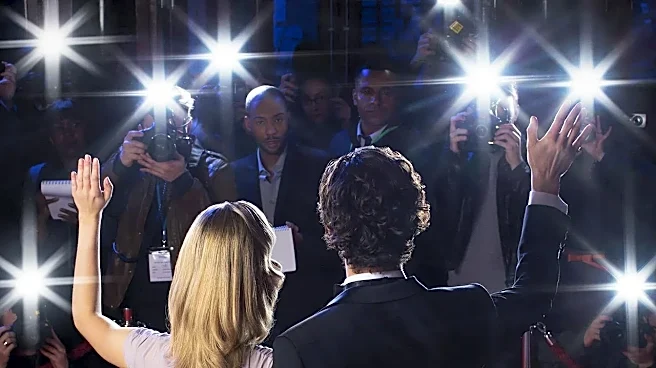
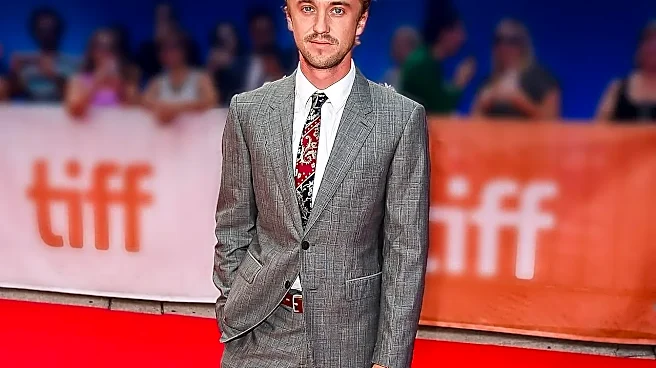
This year's TIFF lineup is a perfect illustration of the new battleground. Streamers aren't just sending niche documentaries to festivals anymore; they are premiering some of their most prestigious, star-driven films. These movies, once destined for a quiet debut on a streaming app, are now getting the full red-carpet treatment, generating buzz and rave reviews. Just this week, Netflix signaled a major evolution in its strategy, announcing plans for longer theatrical runs for at least six upcoming films and, for the first time, a commitment to reporting their box office numbers. This includes high-profile titles like David Fincher's "The Further Mis-Adventures of Cliff Booth" and the buzzy Cannes prize-winner "La Bola Negra," which is slated for a 46-day theatrical run before it hits the service.
The New Prestige Playbook
So, why is a company built on subscription revenue suddenly so interested in theatrical runs? The answer is threefold: prestige, talent, and marketing. A theatrical release, even a limited one, legitimizes a film in a way a streaming-only debut cannot. It makes a movie eligible for major awards like the Oscars, which remains a powerful currency in Hollywood. It also attracts top-tier filmmakers who want their work to be seen on the big screen. For example, Netflix is granting director Greta Gerwig a wide theatrical release for her anticipated "Narnia" adaptation in 2027, a move seen as crucial for keeping A-list talent in-house. Finally, a festival premiere and theatrical run serve as a massive, multi-week marketing campaign, creating cultural awareness that can drive viewership once the film eventually lands on the streaming platform.
What Theaters Want (and Fear)
For theater chains, the situation is complicated. On one hand, they desperately need a steady supply of compelling movies to fill their screens, and streamers are now producing some of the most interesting content. Movie theaters remain the single largest driver of non-subscription spending on film and TV. On the other hand, the core of their business model has always been exclusivity. The "theatrical window"—the period when a movie is only available in cinemas—is what drives ticket sales. By allowing streamers to have shorter windows, or by playing films that will be available for "free" to subscribers just a few weeks later, they risk devaluing their own main attraction. It's a high-stakes negotiation where theaters want the streamers' movies but fear their business model.