




More Than Just Four Walls
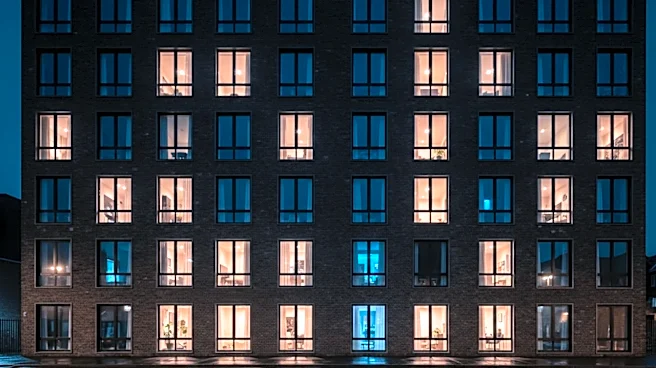
A single apartment set is one of the most powerful tools in visual storytelling. By confining the action to a familiar space—like the iconic apartments in 'Seinfeld' or 'Friends'—creators build a sense of intimacy and consistency. This single location
becomes the stable container for the chaos of the characters' lives. The audience develops a deep familiarity with the layout, from the couch to the kitchen counter, which makes any deviation or disruption feel significant. This narrative anchor allows the story to focus purely on character and emotion. Instead of spending time establishing new locations, the writers and director can get straight to the point, whether it's a witty conversation, a budding romance, or a brewing conflict. The apartment isn't just a backdrop; it’s the world where the story lives and breathes.
Lighting for Laughs and Scares
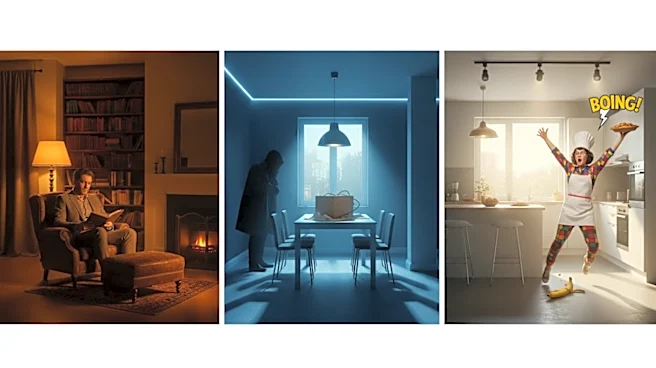
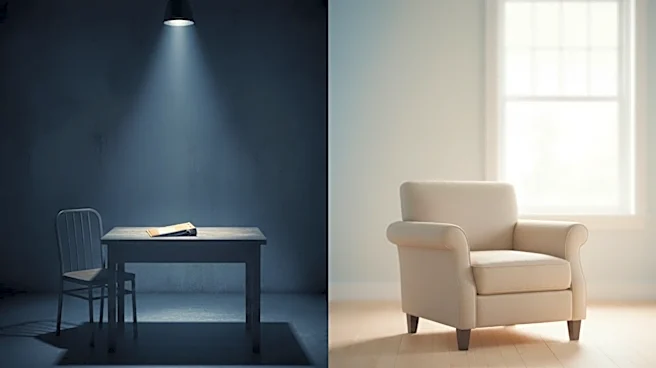
The fastest way to change a room's entire personality is to change the light. In comedy, production designers and cinematographers use what’s called high-key lighting. This technique uses bright, even light to minimize shadows, creating a cheerful, optimistic, and often slightly idealized atmosphere. It tells the audience that the world is safe and the rules of reality might not fully apply. For drama or suspense, the approach is flipped. Low-key lighting creates deep shadows and high contrast, a technique known as chiaroscuro. This moody, mysterious atmosphere can make the most familiar living room feel threatening or full of secrets. The same corner where a character delivered a punchline in a brightly lit scene can become a place of dread with just the addition of a long shadow or a single, harsh light source.
The Camera as an Emotional Guide
How the camera sees the room completely dictates how the audience feels. Directors manipulate perspective to shape our emotional response subconsciously. For a dramatic confrontation, a director might use close-ups to capture every flicker of emotion on an actor's face, creating intimacy and heightening tension. To convey a character's vulnerability or isolation, a high-angle shot looking down on them can make them appear small and powerless. Conversely, a low-angle shot, looking up at a character, can make them seem dominant and imposing. In Alfred Hitchcock’s classic thriller 'Rear Window,' the entire film is shot from the perspective of one man in his apartment, using the camera to create a profound sense of both voyeurism and claustrophobia within a single location. The choice of lens and movement—a slow, creeping dolly-in for suspense versus a wide, static shot for comedy—transforms the same physical space into different emotional arenas.
Telling Stories with 'Stuff'
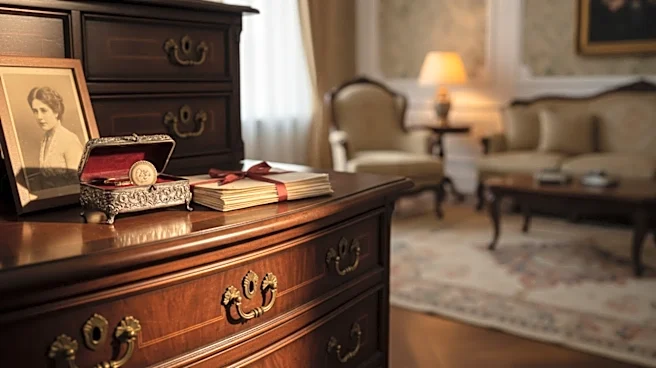
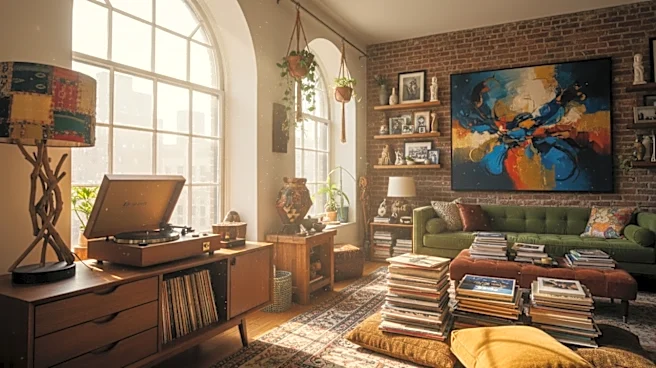
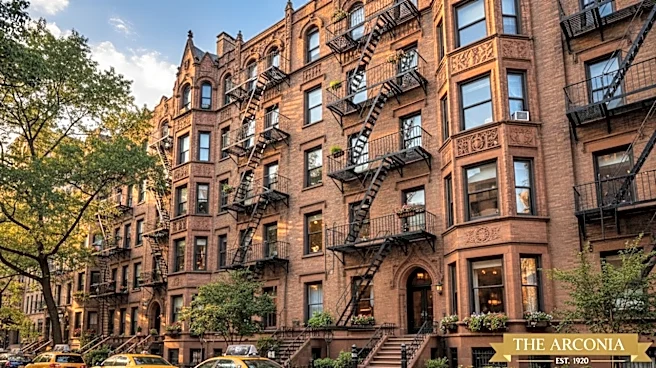
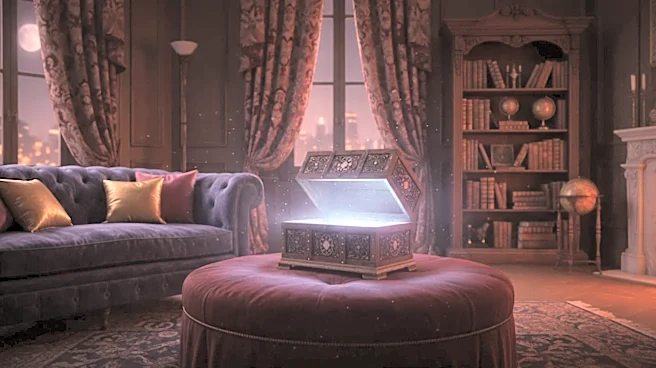
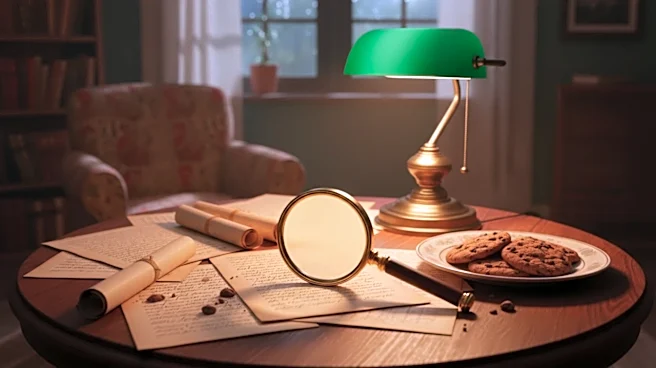
Set dressing is the art of using furniture, props, and decor to tell a story. Every object in a character's apartment is a clue to their personality, history, and current state of mind. A messy, cluttered room can signify emotional turmoil, while a sparse, obsessively tidy one might suggest a character who is closed-off or controlling. In Hulu's 'Only Murders in the Building,' the apartments in the Arconia are characters themselves. Oliver's maximalist, theatrical decor reflects his dramatic personality, while Charles's apartment, with its clean lines and mid-century furniture, speaks to his past success and more reserved nature. Set decorators use these details to show, not just tell. Changing the state of the apartment—adding moving boxes, letting plants die, or putting up new artwork—is a visual shortcut for major life changes, allowing the environment itself to advance the plot and character arcs without a single word of dialogue.