

From Talismans to Treasures
Long before fashion cycles were even a concept, pendants served a deeper purpose. Their history stretches back to the Stone Age, when humans wore pieces of shell, bone, and teeth as amulets to ward off evil or bring good fortune. Ancient Egyptians wore them
as symbols of status and spirituality, featuring sacred icons like the ankh and the Eye of Horus. The Romans used them as protective charms, while in the Middle Ages, they became expressions of religious faith, with crosses and reliquaries worn close to the heart. This ancient lineage imbues the pendant with a sense of significance that goes far beyond mere decoration. It wasn’t born as a trend; it was born as a tool for protection, identity, and belief. That foundational meaning has never really left.
The Ultimate Form of Personalization
The pendant’s greatest strength against the tide of trends is its role as a miniature canvas for the self. Unlike a specific style of shoe or a cut of jeans that is mass-produced, a pendant is often deeply personal. Think of the enduring appeal of a locket holding a tiny photo, a necklace bearing your initial, or a chain with your child's birthstone. These aren't just accessories; they are wearable stories. This capacity for personalization makes the pendant trend-proof. It doesn't matter if chunky chains or minimalist bars are in vogue; a pendant that signifies a personal memory, belief, or connection to a loved one holds a value that fashion can't dictate or diminish. It’s an intimate statement in a world of public proclamations.
A Masterclass in Versatility
From a pure design perspective, the pendant necklace is a model of simplicity and adaptability. Consisting of a single focal point on a chain, it’s a clean silhouette that complements almost any neckline or outfit. It can be dressed up for a formal event or worn with a simple t-shirt. This versatility allows it to be a quiet companion to whatever trends are currently dominating the scene. It doesn't compete; it completes. Furthermore, pendants are ideal for layering, allowing wearers to mix a meaningful personal piece with more trend-driven items. This ability to seamlessly integrate into any look, in any era, prevents it from ever feeling dated. It’s the constant anchor in a sea of stylistic changes.
A Cultural Constant
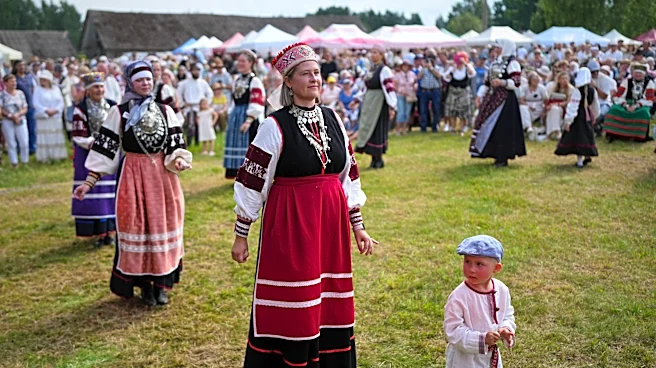
Beyond personal meaning, the pendant is continuously reinforced in our shared culture. It’s the heart-shaped locket passed down from a grandmother, the crucifix as a symbol of faith, or even a famous charm seen on a beloved movie character. These cultural touchstones keep the idea of the pendant necklace alive and relevant in our collective imagination. When a piece of jewelry becomes so intertwined with concepts of love, heritage, identity, and storytelling, it ceases to be a mere object subject to the whims of fashion. It becomes an archetype, something we instinctively understand and value. Its quiet power lies not in being the loudest item in the room, but the one with the most to say.