

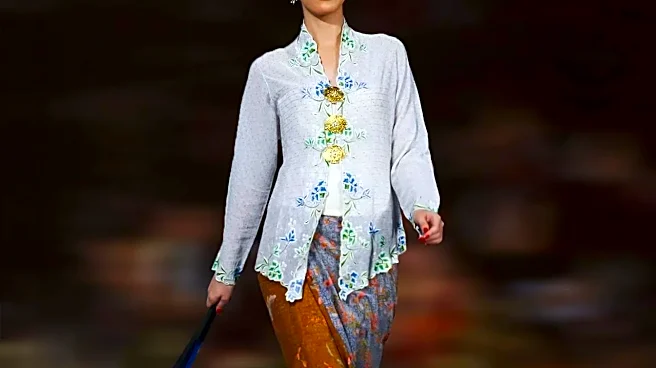
5. Tonal Layering
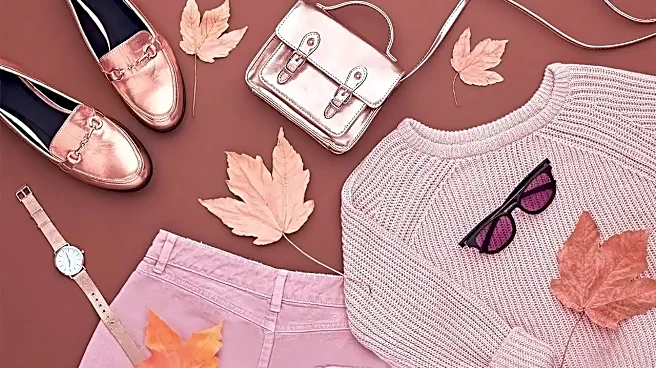
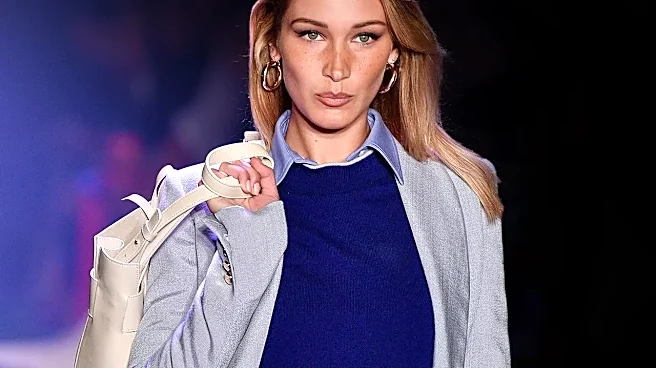
The most subtle yet undeniably chic technique is tonal layering. This involves combining several pieces from the same color family—think camel, beige, and cream, or various shades of gray. The magic here is in the nuance. While it doesn't shout for attention,
it creates a rich, cohesive look that appears intentional and expensive. By playing with different tints and shades of a single hue, you build depth without adding contrasting lines that can break up a silhouette. The result is an elongating, streamlined effect that feels both polished and effortless. It’s the perfect entry point for anyone wary of complex layering, offering quiet confidence with almost no added volume.
4. Open and Asymmetrical Layers
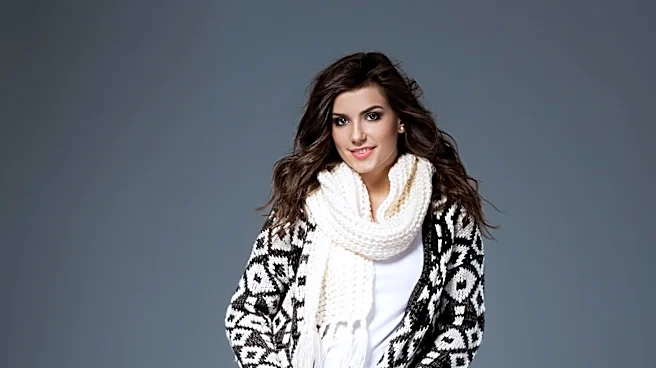
Not all layers need to be closed. In fact, some of the most effective techniques involve pieces that remain open, creating vertical lines that visually slim and lengthen the body. An unbuttoned trench coat, a longline cardigan, or a fluid duster jacket all achieve this effect. They add a sense of movement and dimension without encasing the torso in fabric. Asymmetry works on a similar principle; a draped scarf or a wrap that hangs lower on one side draws the eye diagonally, breaking up the blockiness of an outfit and adding interest. This method is less about stacking clothes and more about framing your core silhouette, providing the illusion of layers without the restrictive feel.
3. Texture Blocking
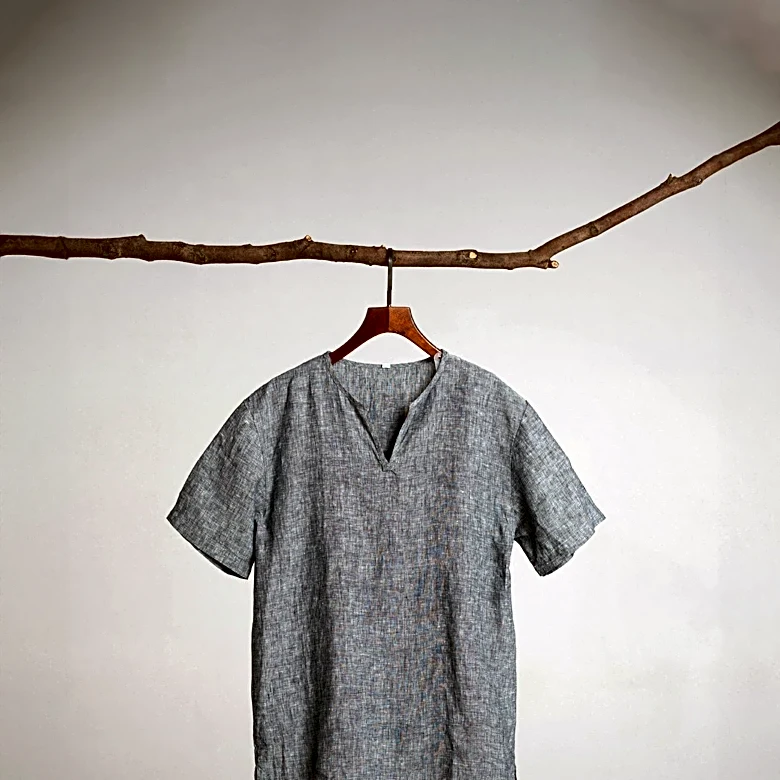
When you keep your color palette simple, you can amplify the depth by mixing textures. This is a favorite trick of designers to make even monochromatic outfits pop. Imagine a smooth silk camisole under a chunky-but-lightweight knit, paired with leather pants. Or a crisp cotton shirt layered beneath a soft cashmere sweater. Each material catches the light differently, creating a feast for the eyes. The contrast between smooth and rough, shiny and matte, or structured and soft adds a tangible richness that goes beyond color. It’s a sophisticated way to build a complex look that feels deeply considered but doesn't rely on piling on multiple heavy garments.
2. Accessory Layering
Sometimes the most impactful layers aren't clothes at all. Using accessories to create layered effects is a low-bulk, high-impact strategy. A wide belt cinched over a blazer, for instance, not only adds a new dimension but also reshapes the silhouette, preventing the jacket from looking boxy. A silk scarf tied at the neck and tucked into a V-neck sweater adds a sliver of color and pattern with zero bulk. Even harnesses or statement necklaces worn over a simple top can function as a form of layering, creating new lines and focal points on the torso. This technique proves that depth is about strategic additions, not just more fabric.
1. Sheer and Transparent Overlays
The undisputed champion of adding depth without bulk is the sheer layer. Fabrics like organza, chiffon, mesh, and fine tulle allow you to create multi-dimensional silhouettes with virtually no added weight or volume. A sheer blouse worn over a camisole, a transparent tunic layered over a dress, or even a gauzy cardigan can completely transform an outfit. This technique plays with opacity, offering a hint of what lies beneath while creating a new, ethereal surface. It’s modern, a little daring, and incredibly versatile. Because the fabric is so lightweight, it adds pure visual interest, making it the ultimate tool for achieving a complex, runway-inspired look that feels as light as air.