




The Four-Year Itch
For fans of the world’s biggest sport, life is measured in four-year cycles. The period between each FIFA World Cup is a unique form of prolonged anticipation that defines national and international fandom. Unlike league seasons that offer a weekly fix,
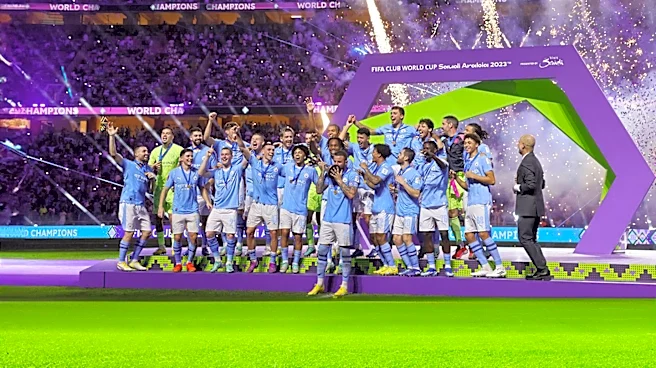
the World Cup is a rare event. This scarcity is by design; it allows national teams to rebuild, new legends to emerge, and the global spectacle to retain its monumental significance. That long wait turns every tournament into a potential once-in-a-lifetime event. For supporters, these years are spent debating, hoping, and tracking the qualification process, a multi-year saga in itself. The anticipation builds a collective memory and a shared hunger that simply couldn't exist if the tournament happened every summer. When the event finally arrives, it feels less like another game and more like a pilgrimage completed.
The Pre-Game Ritual
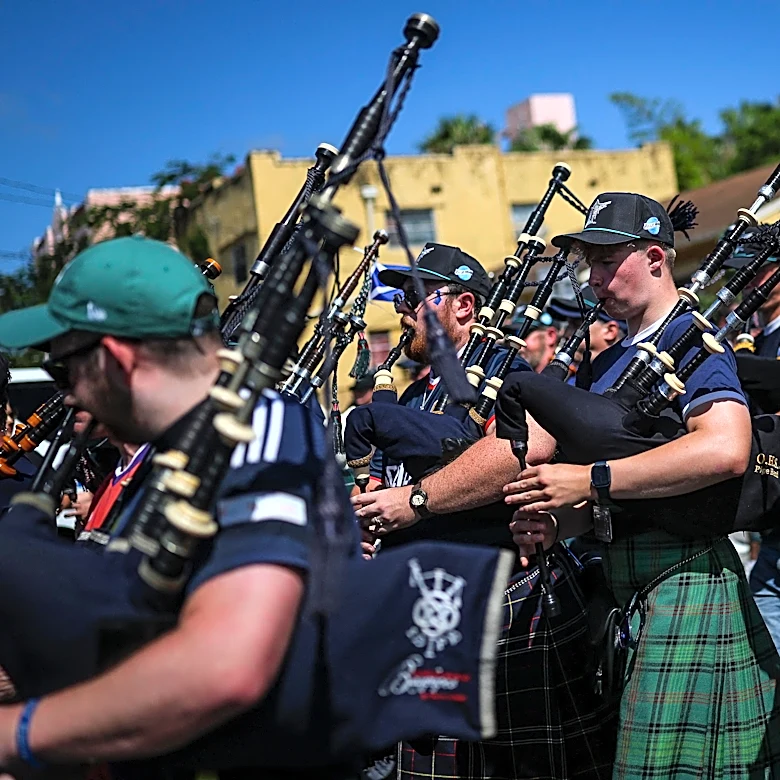
Match day doesn't start at kickoff. For millions of fans, it begins hours, if not a full day, earlier. The culture is steeped in pre-game rituals that are as sacred as the match itself. It’s the same pub crowded with fans singing chants, the same walk to the stadium, the same friends met at the same time. This routine isn't just superstition; it’s a crucial community-building exercise. In these hours, strangers wearing the same colors become a unified tribe. The air crackles with shared predictions, tactical debates, and stories of past glories and heartbreaks. It’s a time when the game is everywhere—in the decorated pubs, the flag-draped streets, and the rising chorus of songs passed down through generations. This period of waiting together transforms an individual experience into a collective one.
The 90-Minute Agony and Ecstasy
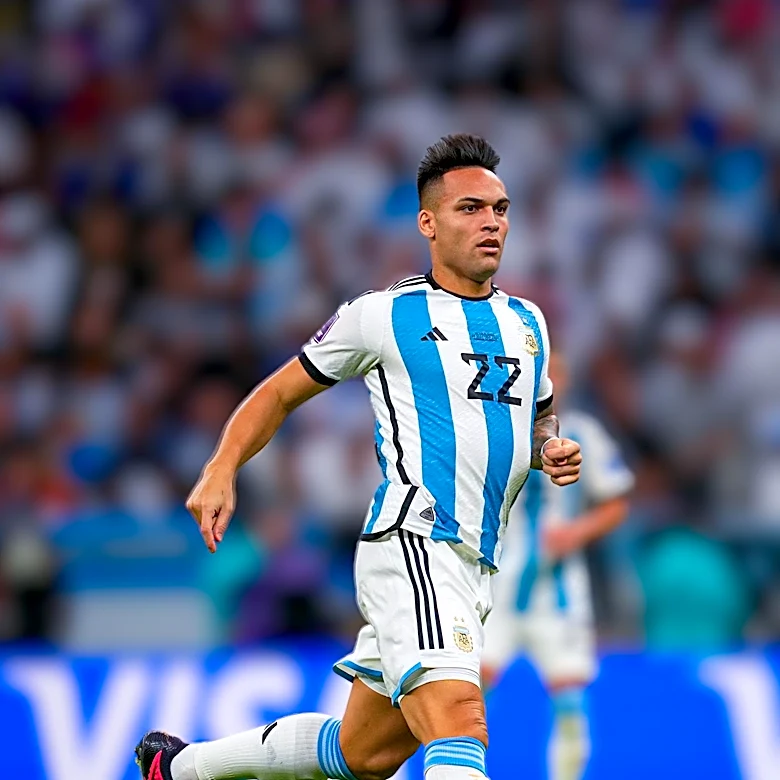
Even the game itself is an exercise in waiting. A soccer match is often described as 90 minutes of nervous tension punctuated by brief moments of explosive, game-altering action. The ball is passed, possession is lost and won, and for long stretches, two teams probe for weakness. Fans live and die in this state of suspended animation. They wait for the perfect pass, the crucial tackle, or the one moment of brilliance that will lead to a goal. This is what sports sociologists call collective effervescence—the shared emotional energy of a crowd experiencing the same moments of tension and release together. A goal becomes more than a point on the board; it's the cathartic release of minutes, or even years, of pent-up hope. That shared experience, from the collective groan of a missed chance to the eruption of joy for a goal, is the emotional payoff that the waiting makes possible.
The Journey is the Destination
For the most dedicated supporters, waiting also involves immense physical effort. Traveling to a World Cup or a major international tournament is a significant undertaking, often requiring years of saving and planning. Fans cross continents, navigate foreign cities, and spend countless hours in transit, all for the chance to be there. This pilgrimage reinforces the scale of the event and the fan's commitment to the cause. Standing in long queues for stadium entry, finding a spot in a packed fan zone, or marching to the ground en masse are all part of the experience. It’s in these moments—waiting in a sea of fellow fans from dozens of countries—that the global nature of the sport truly sinks in. The journey, with all its associated waiting and effort, becomes a story in itself, a testament to a passion that transcends mere spectating.