


Cinema at Altitude, Without the Attitude
First, you have to understand what Telluride is not. It's not Cannes with its market frenzy and red-carpet hierarchy, nor is it Toronto with its sprawling urban footprint. There are no official prizes, no juries, and no paparazzi photo calls. Instead,
the festival, tucked away in the San Juan Mountains, is intentionally designed as an equalizer. Over one long weekend, the town's population triples as filmmakers, critics, studio executives, and passionate cinephiles all stand in the same lines for coffee, ride the same gondolas, and, most importantly, talk about movies. It's an environment built on a shared love for the art form, where the line between creator and audience blurs and conversations happen on street corners, not just in moderated panels.
The Surprise Is the Point
One of the festival's most defining—and nowadays, radical—features is its secret program. Attendees buy passes, book flights, and travel to this remote corner of the country based on pure faith, as the lineup isn't revealed until everyone arrives in town. This isn't a marketing gimmick; it's a statement of purpose. It forces the focus away from hype and onto the act of discovery. In an industry often dominated by pre-packaged narratives and relentless promotion, Telluride asks its audience to simply trust the curation. This creates an atmosphere where a rediscovered silent classic, an experimental short, or a student film can generate just as much genuine excitement as a major studio premiere. It’s a festival built for film lovers, not just industry watchers.
The Incubator for Industry Ideas
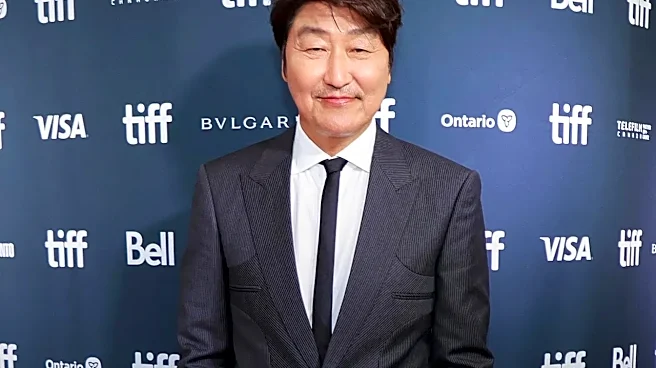
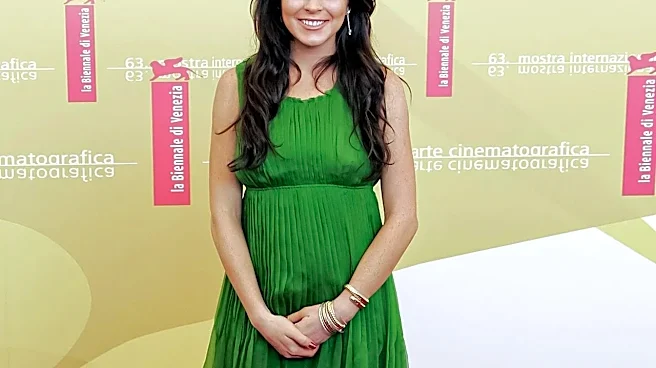
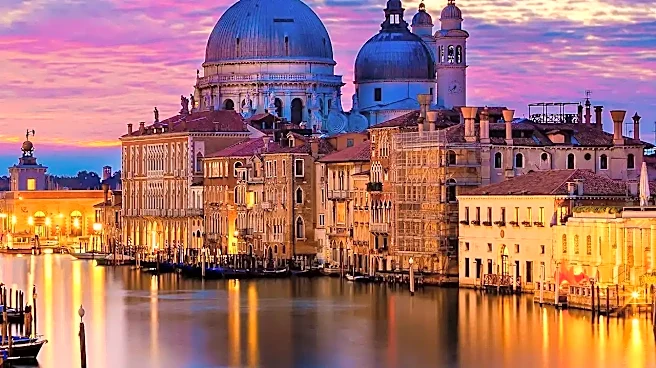
While Telluride is not a market where deals are signed on courthouse steps as they once were, its influence on the industry's direction remains profound. The festival acts as a cultural barometer. The films that generate the most passionate discussion here often signal a shift in thematic concerns or aesthetic approaches that will ripple through cinema for the rest of the year. It serves as a crucial bridge, taking a film that premiered to international acclaim at Venice and concentrating the conversation around it before it explodes onto the massive stage of the Toronto International Film Festival. This is where the initial, thoughtful consensus begins to form, not just about which films are "good," but about which films are important and why.
More Than a Race, It's a Celebration
Ultimately, the conversations that begin in Telluride matter because they are rooted in a celebration of cinema, not just a competition for golden statues. It's a place that has historically championed emerging voices like Michael Moore and Robert Rodriguez alongside tributes to established masters like Meryl Streep and Werner Herzog. The festival honors the entire ecosystem of film, from directors to historians and preservationists. This creates a space where the dialogue is about the past, present, and future of the medium itself. While a film's journey to the Oscars may indeed begin here, the festival's truer, more lasting impact is its annual reminder that movies are an art form to be discussed, debated, and cherished.