



Hyper-Specific Nostalgia
This year's period costume category is a masterclass in specificity. Instead of broad-stroke history, the nominated shows dive deep into distinct, often conflicting, aesthetics of a single era. On one hand, you have the lavish, structured gowns of "The
Gilded Age" and the Regency-era fantasies of "Bridgerton," both nominated for their opulent and highly detailed creations. These shows present a vision of the past as pure, aspirational glamour. On the other hand, nominations for "Palm Royale" and "Monster: The Ed Gein Story" explore different facets of bygone eras. "Palm Royale" serves up the sun-drenched, slightly kitschy world of 1960s Florida high society, while "Monster" delves into the grim, workaday reality of the 1950s rural Midwest. This tells us that our fascination with the past is fracturing. We're moving beyond a single retro look and embracing multiple, highly specific period aesthetics at once, from the ultra-glamorous to the starkly realistic.
Grounded Fantasy and Gritty Sci-Fi
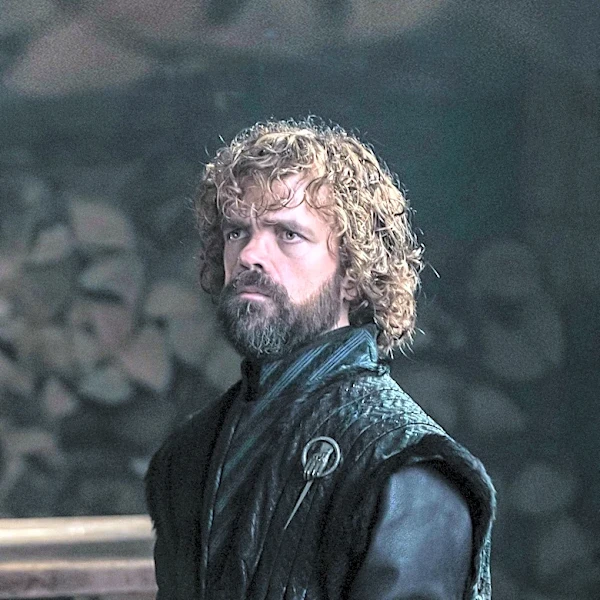
The fantasy and sci-fi nominees signal a major shift away from sleek, minimalist futures and pristine mythical realms. The costumes for shows like "Fallout," "Alien: Earth," and "A Knight of the Seven Kingdoms" are defined by their texture, grit, and lived-in feel. "Fallout" brilliantly translates the video game's signature 1950s-meets-post-apocalypse aesthetic into tangible, functional-looking vault suits and weathered wasteland gear. Similarly, "A Knight of the Seven Kingdoms," a prequel to "Game of Thrones," and the new "Alien: Earth" series both earned nominations for costumes that prioritize realism and functionality within their fantastical worlds. Even the superhero satire "The Boys" gets a nod for its detailed and often deconstructed take on super-suits. The trend is clear: whether in a galaxy far, far away or a dragon-filled Westeros, audiences and creators are craving fantasy that feels authentic and tangible, right down to the scuffs on the boots.
The Two Extremes of Contemporary
In the world of contemporary costumes, television is pushing in two opposite directions: unapologetic maximalism and hyper-realistic subtlety. On the maximalist end, you have the perennially nominated "Emily in Paris," which continues to champion a loud, colorful, and print-clashing vision of modern style. It's joined by the stylized, gothic-chic world of "Wednesday." These shows treat clothing as a primary form of personality, where outfits are designed to be seen and talked about. At the other extreme are shows like "Hacks" and the limited series "Beef." In these series, the costumes are meticulously chosen to be almost invisible, defining character through subtle real-world signifiers. From a tech billionaire's quiet luxury hoodie to a struggling artist's thrifted jacket, these clothes tell deep stories without shouting. This bifurcation shows that TV fashion is no longer monolithic. It's becoming both a source of escapist, aspirational glamour and a mirror for subtle, character-driven realism.
The Rise of Character-Defining 'Cores'
Beyond specific garments, the nominations highlight how TV is becoming the primary engine for fashion's endless cycle of aesthetic "cores." A 'core'—like Cottagecore or Gothcore—is a complete, self-contained aesthetic, and shows are now building entire worlds that viewers can adopt. The Regencycore of "Bridgerton" has already proven its retail power, driving sales of empire-waist dresses and corsets. The nominations for "Wednesday" and "Only Murders in the Building" reinforce the power of a singular, character-defined aesthetic that is easily translatable to everyday life. You don't just want the coat Mabel wears in "Only Murders"; you want her entire cozy, clever, Upper West Side vibe. The costumes in these shows aren't just clothes; they are complete, marketable identities. This signals a future where trends are less about a single item and more about adopting the entire sartorial spirit of a favorite character or show.