





The Core Illusion: Screens and Reflections
The fundamental trick is a high-tech twist on an old magician’s principle: using reflective surfaces and massive, high-definition screens to multiply what the audience sees. Production designers for the VMAs have long embraced reflective and metallic
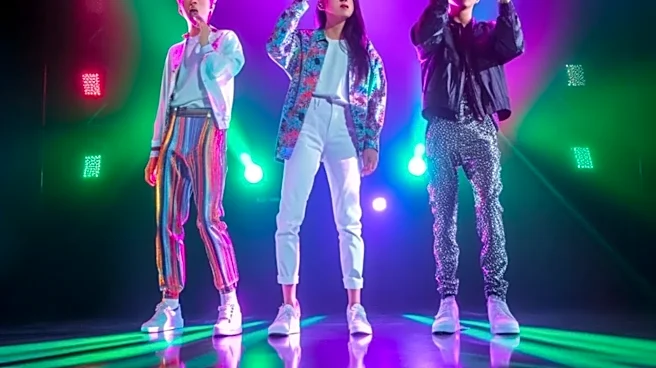
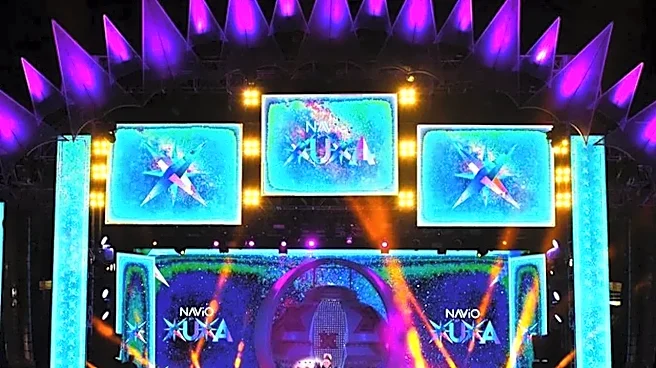
materials to make the stage feel immersive and visually connected. But modern performances take this further. Artists are often flanked by enormous LED walls that can display anything from abstract graphics to pre-recorded footage of backup dancers, creating the illusion of a crowded stage. When combined with strategically placed semi-transparent screens or even mirrored floors, a single performer can appear to be leading an army of digital clones. This creates a powerful visual that is designed for maximum impact, especially for the millions watching on television.
A Masterclass in Duplication
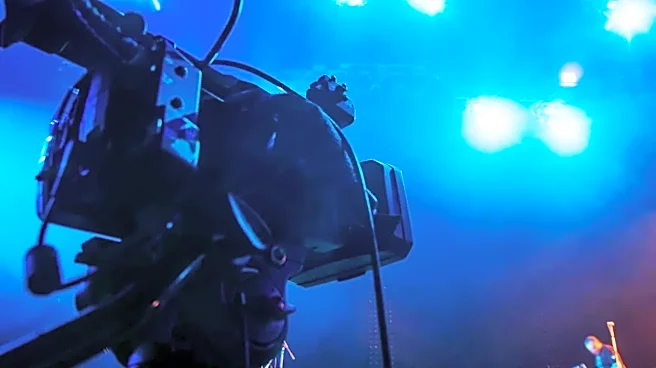
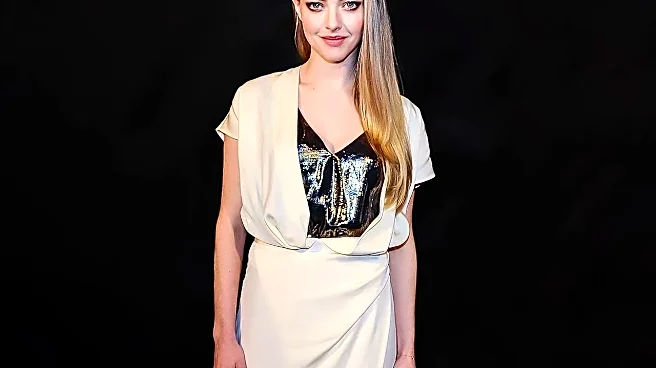
For a perfect example, look no further than Chlöe Bailey’s 2021 solo debut performance of “Have Mercy.” She took the stage for her first major solo performance and delivered a set that felt massive, despite the relatively small number of physical performers. The production used clever camera angles and on-screen effects to create reflections and silhouettes that made it seem like she was surrounded by a legion of dancers. The combination of physical dancers and their digital reflections created a high-energy, visually dense performance that completely filled the screen, cementing her arrival as a solo star and demonstrating the power of this technique.
Augmented Reality: The Broadcast-Only Trick
Another key part of the formula is something the live audience in the arena never even sees: Augmented Reality (AR). AR overlays digital graphics onto the real-world feed that goes out to broadcast viewers. The VMAs have increasingly used Extended Reality (XR), a catch-all term for AR and Mixed Reality (MR), to build entire virtual worlds around performers. This technology allows producers to add anything from virtual characters and holographic set pieces to stunning visual effects that interact with the live artist. For the at-home viewer, it appears as though the artist is inside a mind-bending, interactive environment, turning a simple stage into a limitless digital landscape. This became especially prominent during the pandemic-era shows but has remained a staple because of the incredible visuals it produces.
Why The Illusion Is So Important
This kind of stagecraft isn't just about looking cool; it's a pragmatic solution to the demands of modern live television. For one, it allows for incredible visual variety between the 14 or more performances that are packed into a single VMA broadcast. Having multiple stages, some of which are being set up for the next act while another performance is live, is standard practice. Digital and reflective elements allow for rapid, dramatic transformations of the same physical space. Furthermore, it creates moments perfectly engineered for social media clips. An epic, AR-fueled performance is more likely to be shared and go viral. It allows artists to deliver the grand scale of a stadium tour production within the tight logistical and time constraints of an awards show, ensuring every act has a chance to create an unforgettable moment.