
The Core Conflict: Warmth vs. Silhouette
The central disagreement among stylists stems from a single, unavoidable trade-off: practical warmth often requires bulk, and traditional petite styling is all about avoiding it. One school of thought insists on maintaining a streamlined silhouette at
all costs, advising thin, close-fitting layers, vertical lines, and cropped jackets to elongate the frame. This approach helps avoid being “swallowed” by clothes. However, another camp argues that for true winter travel to a cold destination, this advice is impractical. They champion function over form, advocating for the superior warmth of down-filled parkas and thick, chunky knits—items the first group might label as “overwhelming.” The “real reason” for the disagreement isn't that one side is wrong; it's that they are solving for different primary problems. One prioritizes the visual line, the other prioritizes genuine comfort in freezing temperatures.
The Layering Paradox
Everyone agrees that layering is key for winter. Where stylists differ is how petites should layer. The classic advice is to use multiple thin layers, like a merino wool base, a cashmere crewneck, and a fitted jacket. This maintains proportions and allows for adjustments. But what about when it’s truly frigid? This is where the conflict arises. Some stylists now argue that a single, high-performance outer layer (like a technologically advanced parka) over a simple base is more flattering than numerous mid-layers that can add cumulative bulk around the waist and shoulders. The debate becomes about “many thin” versus “few thick.” A modern, practical approach suggests the best method depends entirely on the specific trip—a city break with indoor stops allows for thin layers, while a day spent outdoors may demand a more robust, singular solution.
The Great Coat Debate
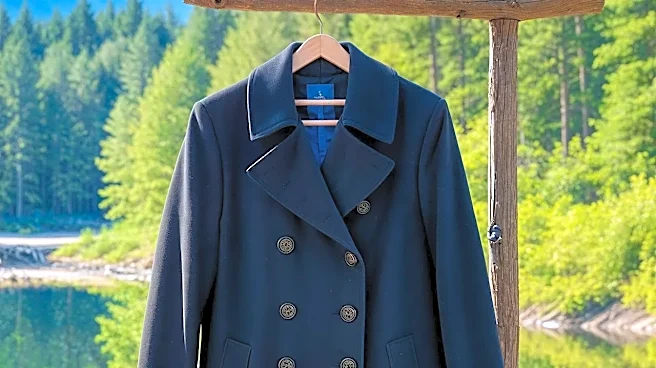
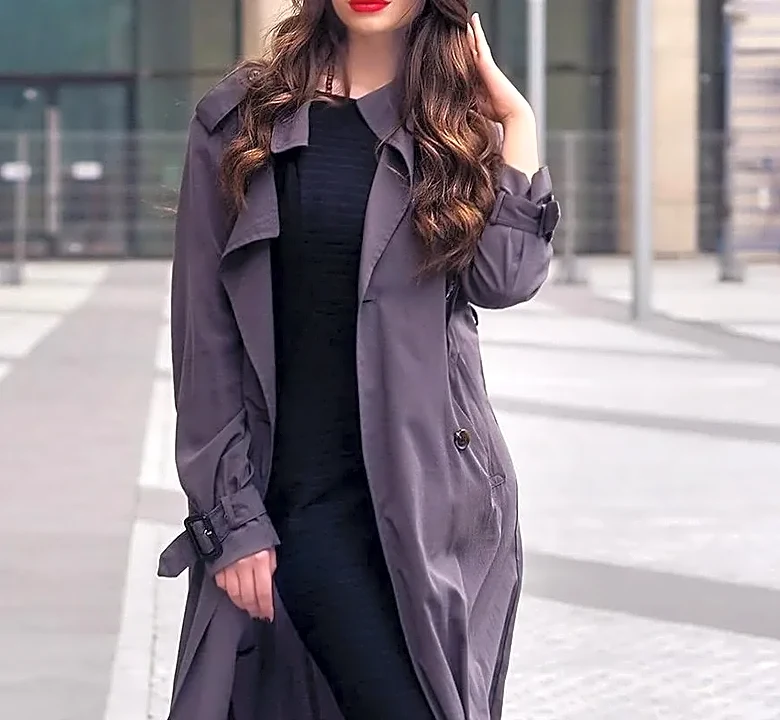
Perhaps nothing illustrates the petite winter dilemma more than choosing a coat. Stylists are deeply divided. Traditionalists advocate for classic, tailored wool coats that hit at the knee or, even better, are cropped to define the waist. These pieces create a sharp, unbroken line. On the other side, modern and trend-focused stylists argue that oversized puffers and longline parkas can absolutely work on a petite frame. Their solution lies in balancing proportions: if you wear a big, bulky coat, you must pair it with slim-fit pants and sleek boots to anchor the look. The disagreement is really about two different style philosophies: one that adheres to time-tested rules for elongating the body and one that embraces current trends by creating intentional, balanced volume.
Footwear: Sleek Lines vs. Serious Traction
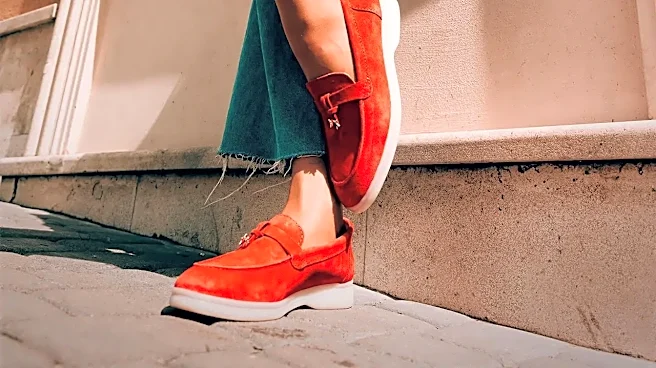
Winter travel often involves snow, ice, or at the very least, cold pavement. This requires practical footwear, but stylists clash on what that means for petites. One side warns against heavy, clunky boots, which can visually cut the leg line and make you appear shorter. They recommend sleek, heeled ankle boots or over-the-knee styles that create a continuous line, especially when paired with matching tights or pants. The opposing viewpoint is that safety and warmth come first. A sturdy, insulated boot with excellent grip is non-negotiable for many winter destinations. The style compromise is to look for monochrome options—black boots with black jeans, for instance—that offer the necessary function without creating a harsh visual break in the leg line.
The Rule of One: Breaking the Rules Smartly
So who is right? They all are, to an extent. The most contemporary advice synthesizes these debates into a single, empowering principle: the “Rule of One.” You can wear one “rule-breaking” voluminous item as long as the rest of your outfit follows classic petite guidelines. Want to wear that cozy, oversized sweater? Pair it with slim-fit trousers and pointed-toe flats. Need to wear heavy-duty snow boots? Keep your coat tailored and your pants fitted. This approach acknowledges the disagreements and reframes them as a toolkit of choices. It’s not about a list of “don’ts,” but about understanding proportion and balance. You get to decide which item gets to be the voluminous, comfortable, or trendy star of the show, while the rest of the outfit plays a supporting, silhouette-defining role.