





More Than a 90-Minute Match
For countless fans, international soccer is not an escape from history—it’s a continuation of it by other means. The stadium becomes a theater for national identity, and the passions on display are often fueled by decades, or even centuries, of shared
experience. This phenomenon, where generational pain and historical conflict are woven into the fabric of fandom, transforms a simple game into a high-stakes drama of identity, pride, and memory. The loyalty is often inherited, with team support passed down through families like an heirloom, turning a jersey into a piece of personal history. This connection is so deep that psychologists find brain activity in passionate fans mirrors that of people in highly stressful or rewarding life events. It’s not just about sport; it’s about who you are and where you come from.
Echoes of War in Songs and Chants
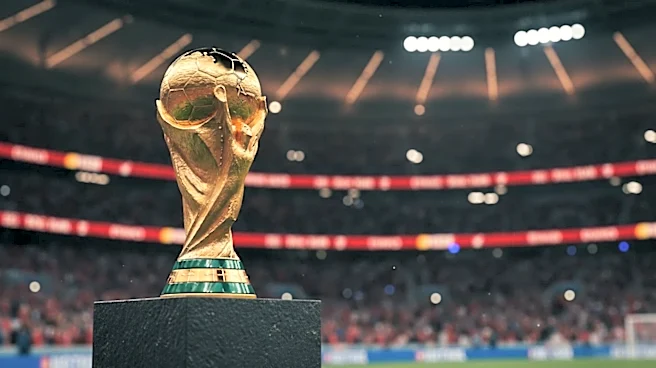
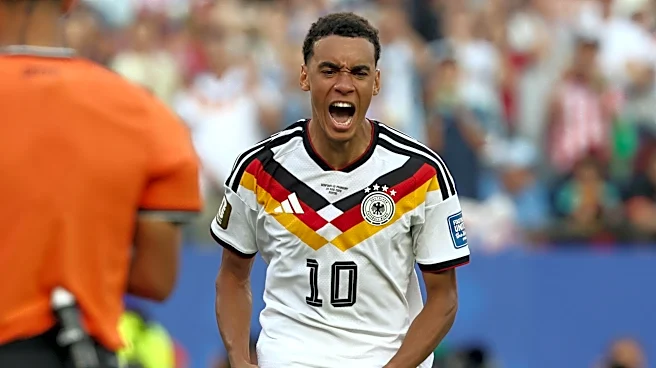
Nowhere is the link between past conflicts and present-day fandom more audible than in the chants of England supporters. The infamous song, "Two World Wars and one World Cup," directly ties the country's military victories over Germany to its lone World Cup title in 1966, also won against West Germany. Though many fans singing it were born long after either event, the chant serves as a form of collective nostalgia and a way to assert historical dominance in a rivalry where, on the pitch, Germany has often had the upper hand. Similarly, the fierce rivalry between Balkan nations like Serbia and Albania is impossible to separate from the wars of the 1990s and older territorial disputes. Matches have been abandoned due to politically charged violence, with nationalist symbols and aggressive chants turning the stadium into a proxy battleground.
When Revenge Becomes the Goal
Sometimes, a single match becomes a focal point for national grievance. The 1986 World Cup quarter-final between Argentina and England is perhaps the ultimate example. Taking place just four years after the Falklands War (known as the Guerra de las Malvinas in Argentina), the game was saturated with political tension. Argentina's 2-1 victory, secured by Diego Maradona's infamous "Hand of God" goal and his legendary "Goal of the Century," was seen by many Argentinians as symbolic revenge. Maradona himself said, "this was revenge." For Argentina, former player Roberto Perfumo once stated, beating England was the real aim; winning the World Cup was secondary. While players and coaches often try to downplay the politics, the emotions in the stands and in the media tell a different story, one where the match carries the weight of history.
The Post-Colonial Pitch
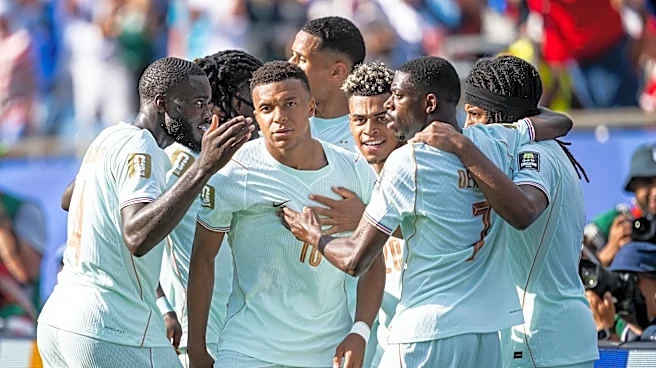
For nations with a history of colonization, a World Cup match against a former colonial power can be uniquely charged. These games offer a powerful platform to symbolically reverse historical power dynamics. When Morocco, the first African nation to reach a World Cup semi-final, played France in 2022, the match was layered with post-colonial meaning. Many of Morocco's players were born or developed in France, adding a complex family feel to the rivalry. These encounters become more than just football; they are opportunities for a nation to assert its modern identity on a global stage, challenging old narratives of inferiority and celebrating newfound strength. A victory isn't just a sporting achievement; it's a profound statement of progress and a source of immense national pride that resonates far beyond the pitch.