



From Red Carpet to Runway
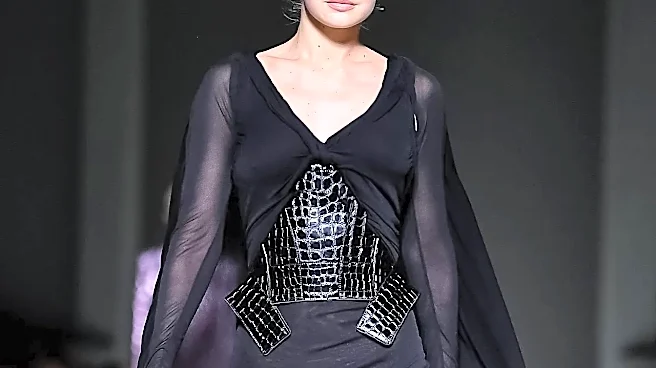
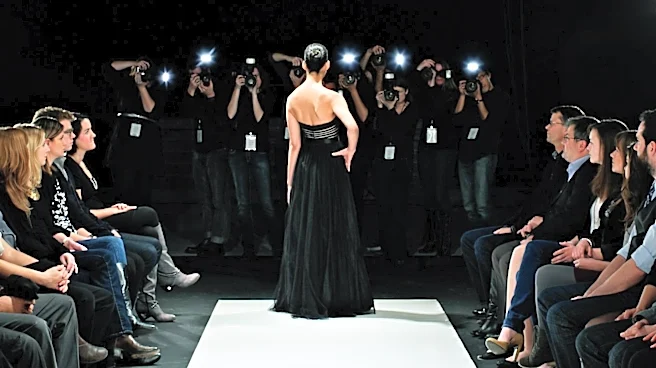
The brooch’s resurgence wasn’t an overnight phenomenon; it was a slow burn that ignited in 2026. After becoming the standout accessory for men at the Golden Globes and Oscars, it migrated to the world's most influential runways. At Fall/Winter 2026 shows
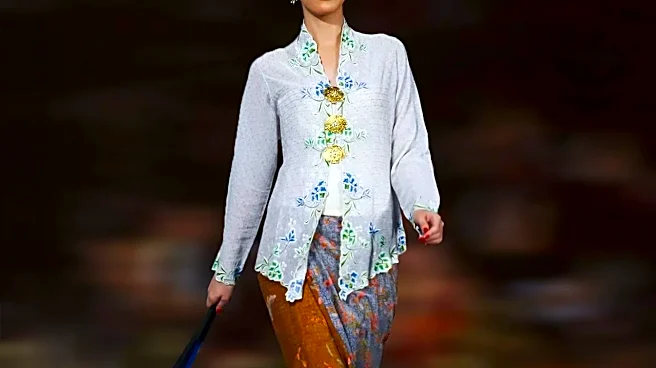
in Milan and London, houses like Giorgio Armani, Ralph Lauren, and Chanel featured brooches in ways that felt fresh and modern. Designers used them to accent everything from tweed blazers to tuxedo lapels and even hoodies, signaling a clear creative directive. The pieces were varied—floral motifs, abstract shapes, and oversized fabric corsages—but the message was consistent: the brooch was no longer just a vintage novelty but a key element of contemporary styling.
The Journey from Trend to Transaction
A runway trend doesn't instantly translate to sales. It embarks on a journey known as the “trickle-down effect,” amplified by social media. Stylists and fashion influencers interpret the looks, showing their followers how to wear a brooch in the real world. This is where the trend evolves; it moves from being pinned on a lapel to adorning a handbag, the strap of a top, or even a pair of socks. As online searches for terms like "modern brooch styles" and "how to style a brooch" spike, mainstream consumer interest follows. This digital buzz creates demand that larger, mass-market retailers are often too slow to meet. Their production cycles are long, and their inventory is planned months in advance to appeal to the broadest possible customer base. This lag time creates a perfect opening for smaller, more agile players.
The Independent Jeweler's Advantage
Independent jewelers are uniquely positioned to capitalize on niche trends like the brooch revival. While major chains focus on mass-produced items, independents thrive on curation, expertise, and originality. Their primary advantage is speed. An independent owner can quickly source vintage pieces or commission work from local artisans to meet emerging demand. They aren't locked into a corporate buying strategy. Secondly, they offer uniqueness. In an era where individuality is prized, customers often seek one-of-a-kind items. An independent store can provide a vintage Art Deco pin or a contemporary piece from a local designer—items with a story that can't be found in a thousand other stores. Finally, they offer personalized service. An independent jeweler can act as a stylist, showing a customer how to wear a cluster of small pins on a jacket or select a single, sculptural brooch to close a scarf. This level of expertise builds trust and turns a simple transaction into a memorable experience, an area where big-box stores typically fall short.
Turning Passing Trends into Lasting Business
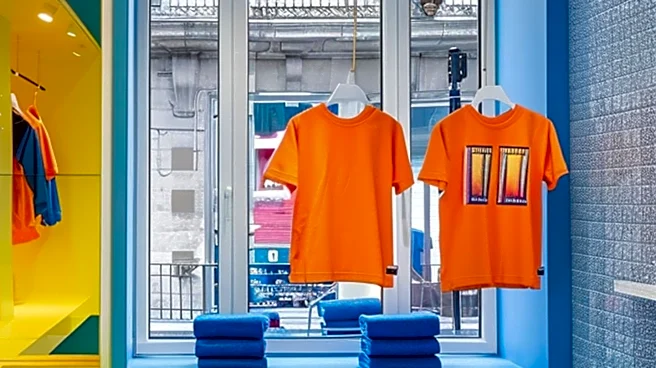
For independent jewelers, a trend like the brooch is not just about selling a single item; it's about attracting a new type of customer. Someone who walks in looking for a trendy brooch might discover the shop's broader collection of rings, necklaces, and custom designs. Smart jewelers are using the moment to their advantage. They are creating social media content that shows different ways to style brooches, partnering with local clothing boutiques for cross-promotions, and using their window displays to tell a compelling story about this classic-yet-modern accessory. By embracing the trend, they are not only boosting short-term sales but also reinforcing their brand as a destination for distinctive, high-quality jewelry. They prove that even in a market with major online competition, there is immense value in expertise, curation, and a personal touch. The brooch's comeback demonstrates a larger truth: in the world of fashion, what's old often becomes new again, creating fresh opportunities for the small businesses that are nimble enough to seize them.