



The Allure of the Meadow
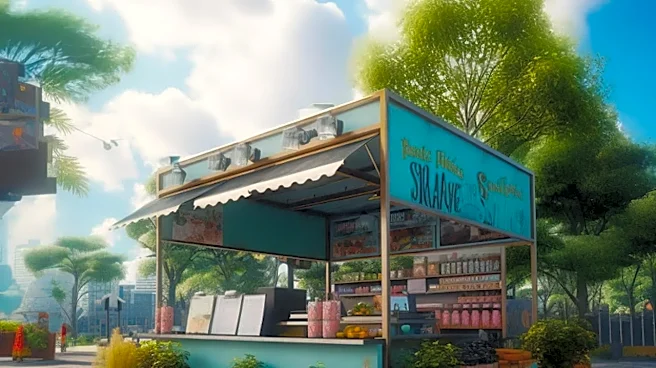
Why would a successful restaurant trade its controlled kitchen for a 10x10-foot booth in a foggy park? The answer is exposure and opportunity. Outside Lands draws over 225,000 attendees, many from outside the Bay Area, offering an unparalleled marketing
platform. For three days, a restaurant’s name is in front of a massive, captive, and hungry audience. The festival has become a food destination in its own right, with a reputation that can rival purely gastronomic events. Getting accepted—after an application process that closes months in advance—is like receiving a golden ticket. The event has a significant economic impact, generating millions for the local economy and providing a crucial revenue stream for the participating small businesses.
Shrinking the Menu, Scaling the Prep
The pivot begins with the menu. A restaurant’s extensive menu is unworkable in a festival setting. The key is to select two or three standout items that are both delicious and “handheld.” As festival food curator Tanya Kollar advises vendors, guests need to be able to hold their food in one hand and a drink in the other. This often means re-engineering a signature dish for portability and rapid assembly. Items like Smish Smash's burgers or Sandy's muffuletta sandwiches are returning favorites precisely because they are iconic and easy to eat while walking. The logistics are staggering. Chefs must calculate ingredient orders for tens of thousands of potential customers, preparing as much as possible off-site before hauling everything to the park for the three-day marathon.
Trial by Fire and Fog
On-site, restaurants build a functioning kitchen from scratch in their designated booth. This involves navigating complex permitting and adhering to strict health codes in a temporary environment. They face challenges unheard of in a brick-and-mortar establishment: unpredictable weather, from scorching sun to Golden Gate Park’s notorious fog, potential power fluctuations, and the sheer physical demand of serving nonstop lines. Lines often get longest between musical sets, creating intense rushes. Staffing is another hurdle, as employees must adapt to a completely different, often more grueling, workflow than in the restaurant. This entire operation is a race against time, from setup to breakdown, with little room for error.
A Culinary Destination
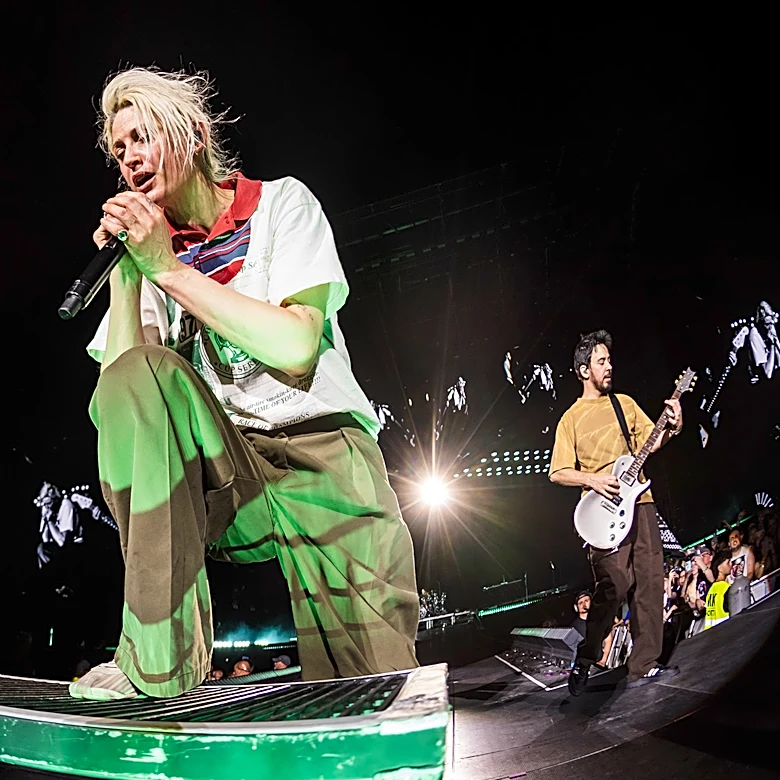
The pressure on vendors is immense because the standard is so high. Outside Lands is no longer just a music festival with food; for many, it's a food festival with a great soundtrack. The 2026 lineup features 100 restaurants representing 53 different cuisines, from historic San Francisco institutions like Original Joe's and Balboa Cafe making their festival debut, to innovative pop-ups and collaborations. This year introduces exclusive mashups like Wise Sons x Outta Sight Pizza and Reem's x Lion Dance Cafe, creating unique dishes available only at the festival. With 31 different kinds of french fries and limited-edition items capped at just 10 orders per day, the food scene is as much a draw as the headlining bands.
The Financial Encore
After the last note fades, the financial reckoning begins. The cost of participation is significant, encompassing booth fees, staffing, supplies, and transportation. For some, the weekend is a massive financial success. For others, it’s a break-even proposition where the primary return is marketing value. The festival's overall economic contribution is huge, supporting hundreds of jobs and injecting tens of millions into the local economy, with a significant portion going to these vendors. To make the offerings more accessible, a new "Snack Series" offers smaller, lower-priced items from more than 20 restaurants, a strategic move to encourage sampling across the vast culinary landscape. Ultimately, each restaurateur must weigh the immense effort against the potential reward, a high-stakes gamble played out over one whirlwind weekend.