





First, What Is Milan's 'Energy'?
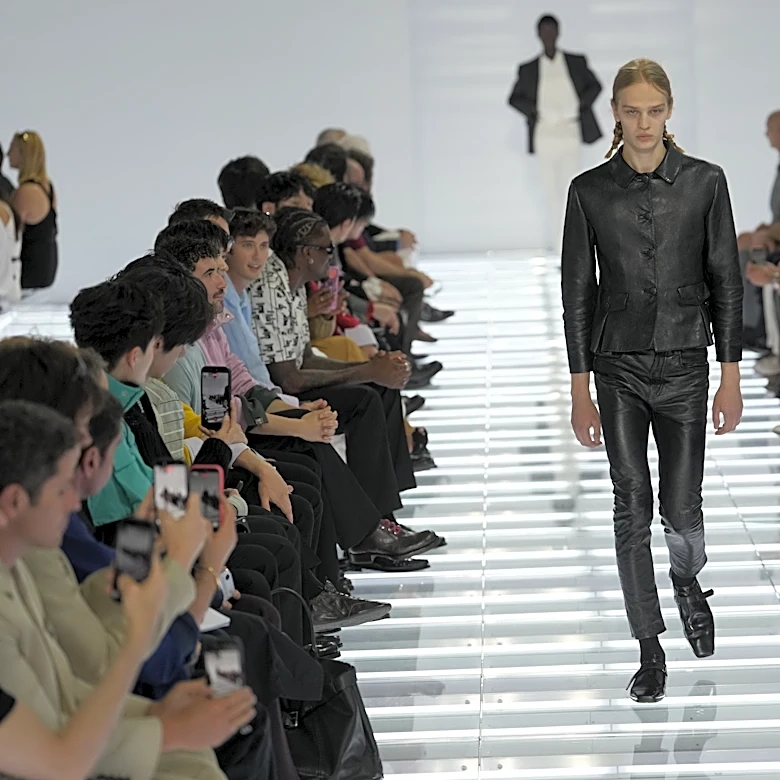
Before we talk about the dupes, we have to define what’s being duped. Paris has avant-garde intellectualism, London has rebellious creativity, and New York has slick commercialism. Milan, however, has always been the capital of a specific kind of masculine
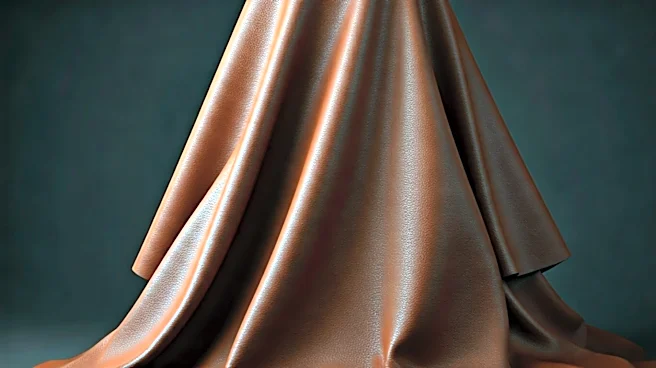
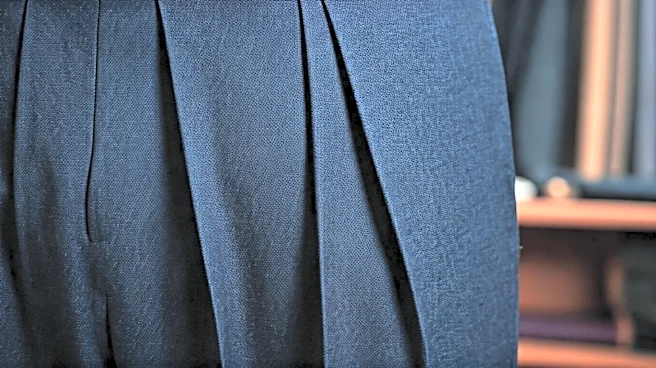
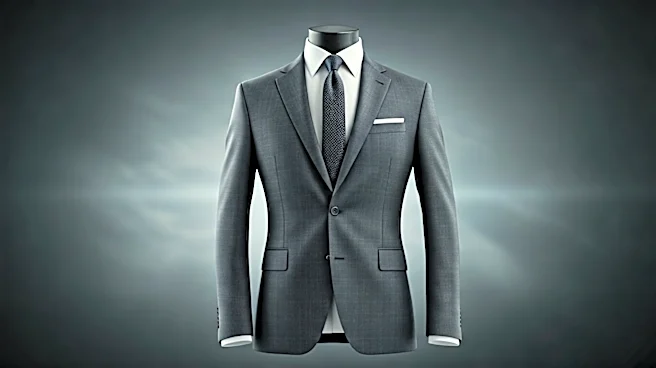
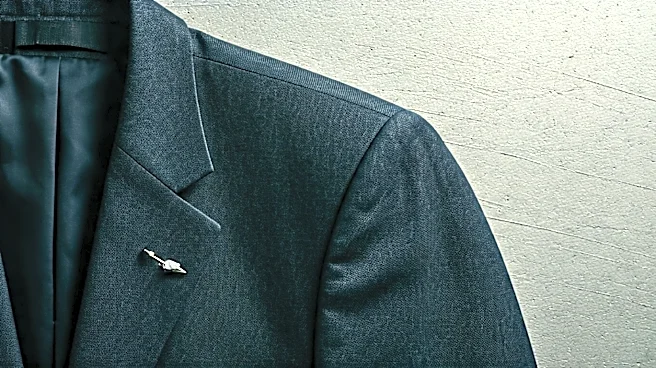
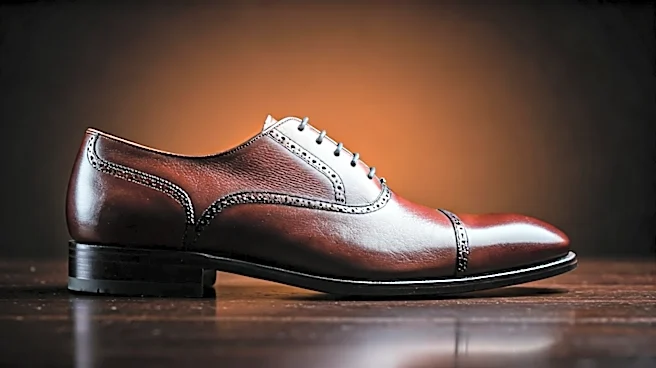
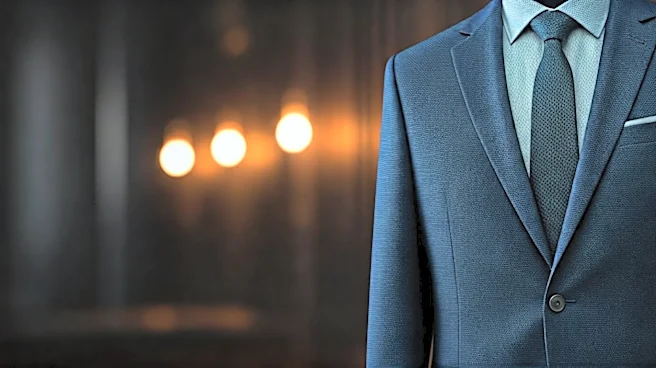
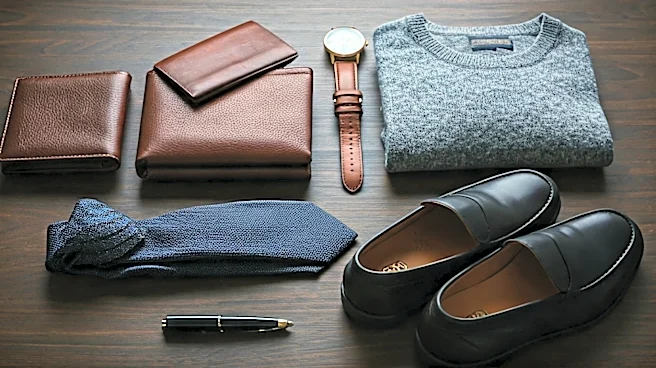
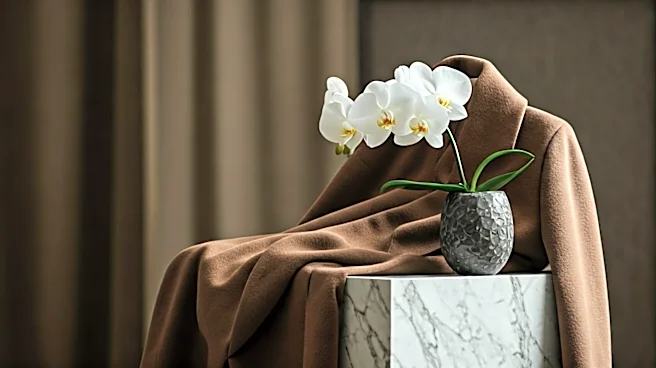
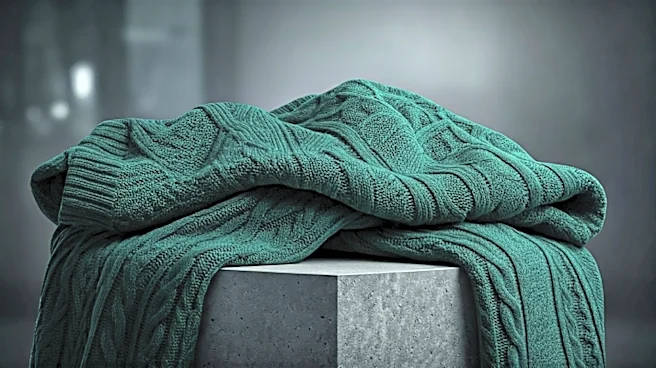
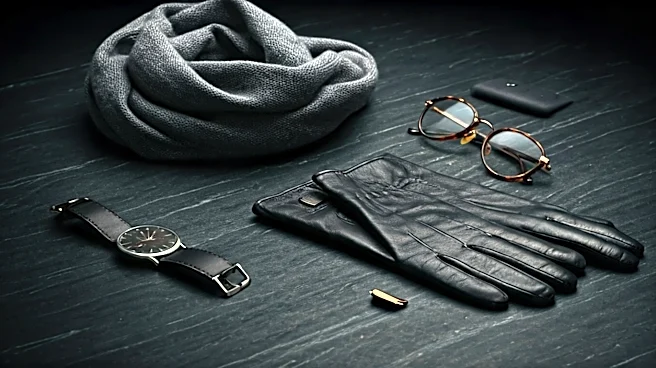
elegance. Think of it as 'quiet luxury' before the term became a TikTok hashtag. It’s a vibe built on impeccable tailoring, sumptuous materials (cashmere, fine wools, supple leathers), and a color palette that whispers instead of shouts—rich earth tones, deep navies, and sophisticated grays. Brands like Zegna, Brunello Cucinelli, and, in its more intellectual moments, Prada, define this aesthetic. It’s less about a loud logo and more about the way a soft-shouldered blazer hangs, the perfect break of a trouser, or the texture of a knit polo. This isn't clothing that screams for attention; it’s clothing that exudes a calm, collected confidence. It suggests you have taste, you appreciate quality, and you don’t need to prove anything to anyone. That feeling—that 'energy'—is what is now being democratized.
The Rise of the High-Concept Dupe
For years, a 'dupe' was a dirty word, synonymous with a cheap, poorly made knockoff of a specific It-item, like a Gucci belt or a Balenciaga sneaker. But the new wave of affordable menswear isn't about one-to-one counterfeits. Instead, it’s about capturing the overarching aesthetic. It’s a high-concept duplication of a mood, not a product. Walk into a store like COS, Arket, or even the higher-end sections of Zara and you’ll see it. They aren’t selling a fake Prada jacket; they are selling their own version of a minimalist, slightly oversized nylon bomber that evokes the *idea* of Prada. They're offering wide-leg trousers in a heavy twill that feel inspired by Zegna's relaxed silhouette, even if the fabric is a poly-blend. These affordable brands have realized that modern, style-conscious consumers are less interested in a specific brand's logo and more interested in participating in the broader conversation of fashion. They want the 'Milanese energy'—the sophisticated cut, the minimalist colorway, the air of effortless cool—without the four-figure price tag.
It's About Style Literacy, Not Just a Budget
This is the core of why this trend matters. It signals a major shift from brand worship to aesthetic appreciation. The guy buying the $150 'Milan-inspired' jacket isn't necessarily trying to fool anyone into thinking he bought a $3,000 designer piece. He is, in effect, demonstrating his style literacy. He recognizes the key trends, understands the silhouette, and knows how to assemble a look that feels current and sophisticated. This is a form of cultural capital. In a world saturated with imagery from fashion weeks via Instagram and TikTok, the visual language of high fashion is more accessible than ever. Consumers are becoming fluent in it. They can spot the 'utility luxe' trend from a Fendi show or the '70s-inflected tailoring from Gucci and know how to find a version that works for their life and their wallet. This empowers the individual, placing the emphasis on personal style and curation rather than blind consumerism and brand loyalty. The flex is no longer 'I can afford this brand,' but 'I have the taste to pull off this look.'
Social Media as the Great Equalizer
None of this would be happening at this scale without social media. Platforms like TikTok have completely dismantled the traditional top-down fashion cycle. In the past, magazine editors and department store buyers were the gatekeepers who decided which runway trends would trickle down to the masses. Now, a 19-year-old with a good eye can post a video titled 'Get the Milan Look for Under $200,' and it can get millions of views overnight. This creates a direct and immediate demand that fast-fashion retailers are forced to meet. They monitor these platforms as real-time market research. This feedback loop has accelerated the process, shortening the time between a look appearing on a Milanese runway and an 'inspired by' collection appearing online. It also fosters a community of style enthusiasts who share tips, find hidden gems, and collectively decode the language of high fashion, making it less intimidating and more of a shared, creative pursuit.