




The New Frontier of At-Home Concerts
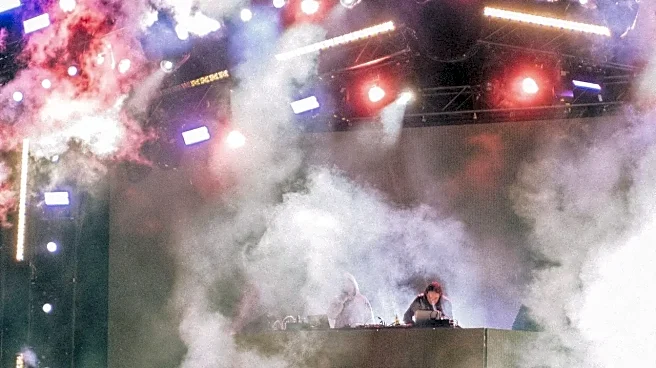
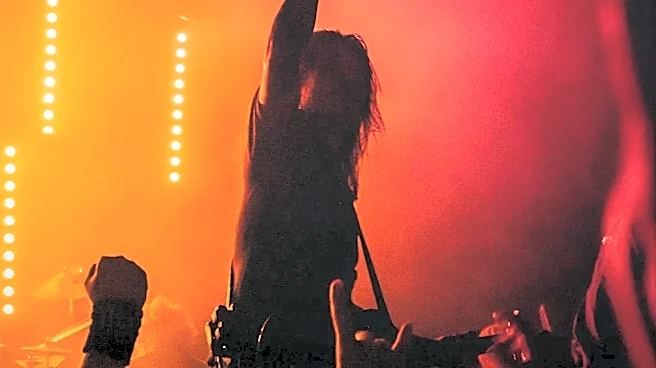
For years, watching a music festival from your couch was a compromise, trading the visceral energy of a live crowd for the convenience of, well, your couch. The audio was often flat, a two-channel stereo mix that could never quite capture the scale of a main
stage performance. But that's rapidly changing. As livestreaming becomes a permanent fixture of festival culture, a new focus on immersive sound is aiming to close the gap between being there and watching from afar. Major streaming platforms and even classical institutions are adopting formats that promise a three-dimensional listening experience, moving beyond the simple left-right channels we've known for decades. It’s a shift from just hearing the music to feeling like you’re standing in the middle of it.
Meet Immersive Audio, Your Festival Upgrade
The technology at the heart of this revolution is often referred to as “spatial” or “immersive” audio, with Dolby Atmos being the most recognizable name in the space. So what is it? Think of it like this: traditional stereo is a flat painting of the sound, where all the instruments and vocals are on a single canvas in front of you. Dolby Atmos, however, is more like a sonic sculpture. Audio engineers can take individual sounds—a guitar riff, a synth pad, a backup vocal, the roar of the crowd—and place them precisely in a three-dimensional bubble around you. The lead singer can be right in front, the drums can feel like they're physically behind the singer, and the crowd’s applause can swell up from all sides. This creates a sense of depth and realism that standard stereo simply can't replicate.
The 'One Setup' That Unlocks It All
While the headline says “one speaker setup,” it’s more about one type of technology. You don’t necessarily need a dozen speakers mounted on your ceiling anymore. The most accessible way to bring this experience home is with a single, sophisticated soundbar that supports Dolby Atmos. These devices are engineered with upward-firing and side-firing speakers that bounce sound off your walls and ceiling to create that bubble of sound. When you feed it an Atmos-mixed source, the soundbar decodes the spatial information and recreates the immersive soundscape it was designed for. This single piece of hardware can make a headliner’s set feel massive, separating the layers of the music and giving each instrument its own space to breathe, transforming your living room into a surprisingly convincing concert venue.
How to Prep for the Outside Lands Stream
This year's Outside Lands is streaming live via Amazon Music on Prime Video and Twitch, so that’s your starting point. To get the best possible audio, you’ll want to check your entire signal chain. First, you need a streaming device that can pass along a high-quality audio signal, like a modern Fire TV Stick or Apple TV 4K. From there, it connects to your Dolby Atmos-capable soundbar or AV receiver. Even if a specific livestream doesn't have an official Dolby Atmos mix, many modern soundbars have advanced virtualization technology. This allows them to take a standard stereo signal and intelligently upscale it, creating a wider and more immersive soundstage. It won't be true, object-based spatial audio, but it will still provide a significantly “bigger” feeling than your TV's built-in speakers ever could, enhancing the bass, clarifying vocals, and spreading the sound out to better fill your room.