





The Misunderstood Stillness
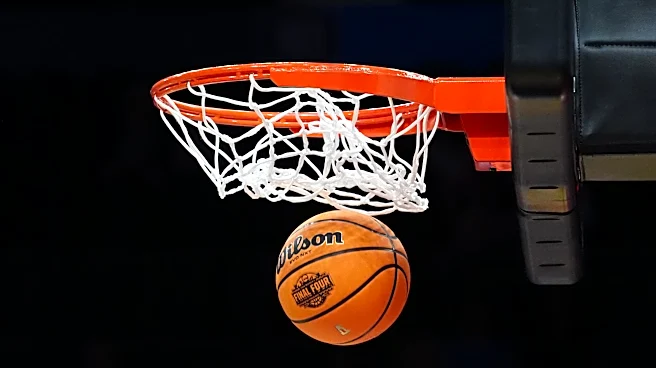
Basketball and soccer are games of flow. We celebrate the fast break, the lightning-quick counterattack, the beautiful, unscripted dance of athletes in motion. By contrast, the dead-ball moment—a free kick in soccer, an inbounds play in basketball—can
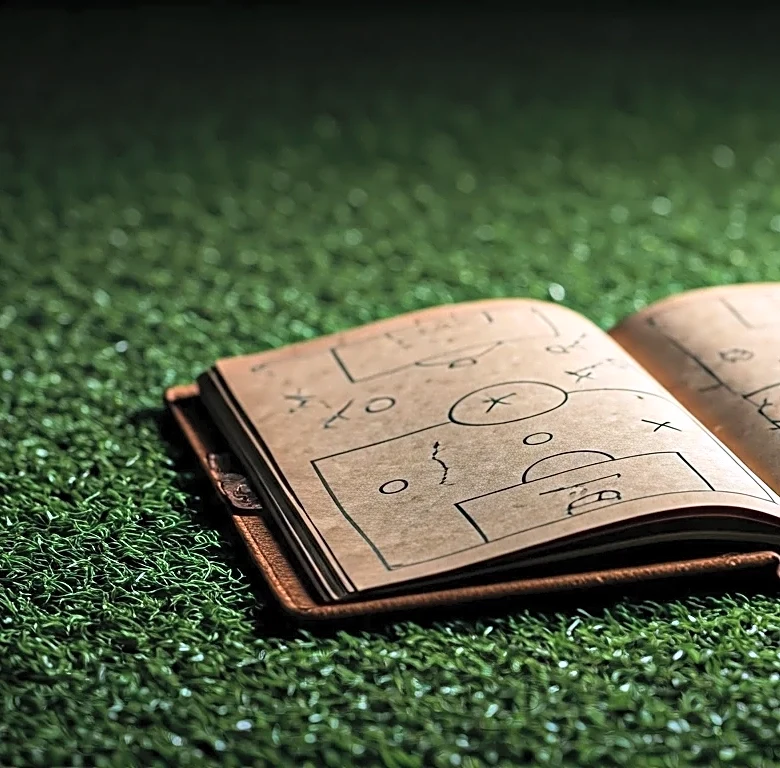
feel like an interruption. A commercial break without the commercials. But this is a fundamental misreading. These pauses are not voids in the action; they are canvases for coaching, crucibles of strategy, and opportunities to impose order on chaos. While the NBA treats many of these situations as routine restarts, top-tier international soccer has elevated them into a high-stakes art form known as the set-piece. And one particular play from the 2022 World Cup serves as the ultimate masterclass.
The Moment: Netherlands vs. Argentina
The scene: the 2022 World Cup quarterfinal in Qatar. The Netherlands, renowned for their tactical innovation, are trailing global powerhouse Argentina 2-1. The clock is past the 100th minute, deep into stoppage time. It is, for all intents and purposes, the last kick of the game. The Netherlands wins a free kick just outside the Argentine penalty area. The world expects one of two things: a heroic, curling shot over the defensive wall, or a hopeful chip into a crowded box. What happened next was an act of pure, premeditated genius. Instead of shooting, Dutch midfielder Teun Koopmeiners slid a disguised, low pass along the ground to the feet of striker Wout Weghorst, who had cleverly peeled off the wall. Weghorst controlled the ball, swiveled, and fired it into the net. The stadium was stunned into a mix of Dutch ecstasy and Argentine disbelief. The game was tied 2-2. It wasn't a miracle; it was a plan.
The Genius Behind the Play
That goal was not a desperate, lucky gamble. It was a training-ground routine, a specific play designed by manager Louis van Gaal and his staff for exactly this type of high-pressure situation. They had analyzed Argentina’s defensive setup on free kicks and identified a vulnerability. They noticed defenders jumping to block a high shot, leaving space at their feet. They saw the chaos of the wall formation as an opportunity for a clever decoy. The play required perfect execution, immense nerve, and, most importantly, the foresight to have designed it in the first place. This is the lesson: the Dutch treated a dead-ball situation not as a pause, but as the primary theater of operations. They weaponized the stoppage.
The NBA's Inbounds Potential
Now, turn your attention to the NBA. Think of the last-second sideline out-of-bounds (SLOB) or baseline out-of-bounds (BLOB) play. How often does it devolve into a desperate heave toward the star player who is being blanketed by two defenders? While we remember iconic exceptions—Grant Hill’s pass to Christian Laettner in 1992, Derek Fisher’s 0.4-second catch-and-shoot in 2004—they are notable precisely because they are rare. For every clever screen-the-screener action drawn up by a coach like Brad Stevens, there are dozens of predictable, easily defended plays. Teams spend millions on analytics and player development, yet the strategic depth of inbounds plays often feels like an afterthought. The Dutch free kick is a direct challenge to that mindset. It asks: Are you using this guaranteed moment of possession to its absolute fullest creative potential? Or are you just trying to get the ball in?
A Mindset, Not Just a Play
This isn't just about late-game heroics. It applies to every dead-ball moment. In the NBA, free throws are the most common example. The focus is almost entirely on the shooter's routine. But what about the strategic positioning for a potential rebound on a crucial miss? What about the psychological gamesmanship happening while the shooter prepares? Soccer has embraced this holistic view. Teams now employ specialized set-piece coaches. They analyze opponents’ dead-ball tendencies with the same rigor they apply to open play. The core idea is that any moment you can control the variables is an opportunity to gain an edge. The NBA, with its shorter stoppages but higher frequency of them, is teeming with these under-leveraged moments.