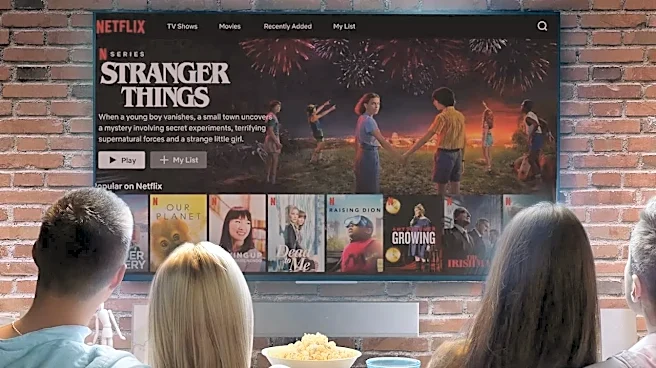









The annual holiday movie debate: a tradition as cherished as eggnog and tangled lights. One person needs to see 'Die Hard,' another craves 'Elf,' and someone is vetoing everything. But what if you could solve it like a streaming professional?
The Familiar December Deadlock
It’s a scene
that plays out in living rooms across the country. The festive glow of the tree is suddenly dimmed by the harsh glare of indecision. One family member lobbies for a black-and-white classic like 'It's a Wonderful Life'. A younger voice makes the case for a new animated adventure. Someone else, meanwhile, insists that the holidays aren’t complete without the chaotic comedy of 'National Lampoon’s Christmas Vacation'. The result is often an endless scroll through streaming libraries, rising tensions, and a compromise that leaves nobody truly happy. The argument isn't just about movies; it's a battle of nostalgia, mood, and tradition. Winning feels important, but the process can easily sour what's meant to be a cozy, shared experience.
Think Like a Programmer, Not a Critic
Here’s where the insider trick comes in. Streaming service programmers and content schedulers don’t just throw movies at a wall to see what sticks. Their job is to curate an experience across an entire season, not just for a single night. They think in terms of variety, audience segments, and mood-based scheduling. They know that on any given night, some viewers want comfort, others want comedy, and some want action. Instead of trying to find the one perfect movie to satisfy everyone at once—an impossible task—they build a balanced lineup over time. Adopting this mindset is the first step. The goal isn't to win tonight's argument; it's to design a holiday movie season where everyone gets their moment.
The 'Theme Night' Rotation System
The core of the programmer’s trick is to stop making one-off decisions and start scheduling with themes. By creating a rotating calendar of genre nights, you replace the nightly free-for-all with a structured, fair system. It transforms the question from 'What should we watch?' to 'What kind of night is it?' This simple shift narrows the options, validates different tastes, and guarantees variety. The debate is no longer about one movie versus another; it's about which movie best fits the agreed-upon theme for the evening. It creates anticipation and turns a point of conflict into a fun, collaborative tradition.
Step 1: Build Your 'Holiday Collection'
Before the season officially kicks off, gather the family and create a master list of every holiday movie that someone might want to watch. This is your personal 'streaming library'. Let everyone add their non-negotiable classics, quirky favorites, and new releases they're curious about. Just like Netflix or Disney+ build their holiday catalogs, you're building your own. This step is crucial because it makes everyone feel heard. Their must-watch movie is officially 'in the system,' which reduces the pressure to fight for it every single night.
Step 2: Create Your 'Programming Blocks'
Next, group your master list into themed categories. These are your 'programming blocks,' just like a streaming service would create. Don't overthink it; four or five categories are plenty. Consider establishing nights such as: 'Classic Christmas' for the black-and-white essentials and timeless tearjerkers. 'Holiday Laughs' for comedies from 'Elf' to 'Home Alone'. 'New & Festive' for the latest streaming originals or recent hits. And a 'Wild Card/Action' night for the 'Die Hard' and 'Gremlins' crowd. These categories give every type of movie a dedicated slot, ensuring a balanced viewing diet throughout the month.
Step 3: Schedule the Season
With your themes defined, simply put them on a calendar for your movie nights. You can rotate through them in order: Classic Night on the first Friday, Comedy Night on Saturday, and so on. When movie night arrives, the decision is already halfway made. If it’s 'Classic Christmas' night, the only options on the table are the ones that fit that category. You can then take a quick vote or let someone whose favorite genre it is have the final say. This system dramatically reduces decision fatigue and ensures that over the course of the holidays, the person who loves 'A Christmas Story' and the person who loves 'The Santa Clause' both get their perfect movie night.