








The Arconia's Anthem
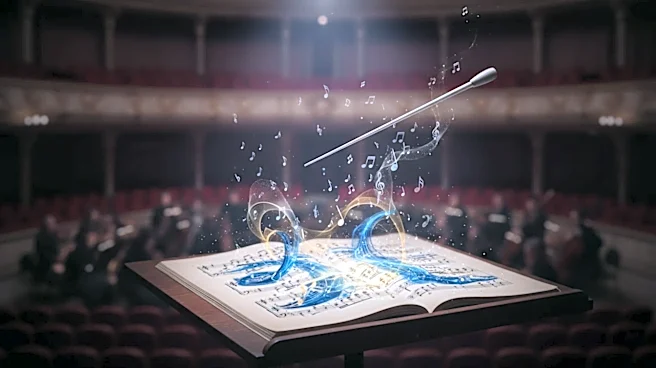
The main title theme is the show's musical DNA. It’s a whimsical, slightly melancholic earworm that perfectly captures the tone: a mix of classic New York charm, modern loneliness, and quirky intrigue. Khosla built the track with what he calls a “bouncy,
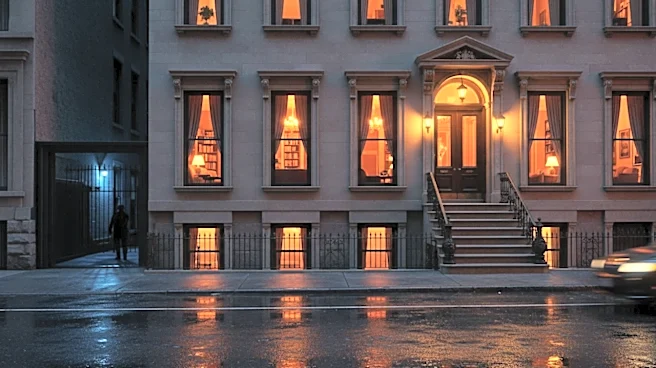
clinky piano piece,” layered with vocals, strings, and even the percussive sound of paint buckets to give it a distinctly metropolitan feel. But this central melody is more than just a catchy intro. Co-creator John Hoffman heard the entire show within that initial theme—the mystery, the drama, the fun, and the sadness. It serves as the primordial soup from which nearly every other musical cue in the series is born. This thematic core is the secret weapon that allows the score to speak a language all its own.
A Theme for Each Soul
At its heart, “Only Murders” is about three lonely people finding connection. Khosla’s score reflects this by deconstructing the main theme into individual motifs for Charles, Oliver, and Mabel. These aren't just background jingles; they are sonic portraits of their inner lives. For Charles (Steve Martin), a lonely former TV star, the theme might be carried by a solitary clarinet, echoing the quiet solitude of his vast, art-filled apartment. For Oliver (Martin Short), a flamboyant but failing Broadway director, the music takes on a jazzy, show-tune quality, full of dramatic flair that papers over his insecurities. And for Mabel (Selena Gomez), a young woman haunted by her past, her theme is often more atmospheric and modern, reflecting her guarded nature and artistic sensibilities. These initial themes establish who these people are before the investigation even begins, giving the audience a subconscious guide to their core personalities.
The Power of the Reprise
This is where the true genius lies. As characters evolve, so does their music. A reprise isn't just repeating a theme; it's re-contextualizing it. When Charles starts to open up and form genuine bonds, his lonely clarinet might be joined by warmer strings, the melody shifting from melancholic to hopeful. As Oliver faces professional and personal crises, his jaunty theme can become frantic or, in moments of sincerity, surprisingly tender. The core melody is malleable, able to support scenes of romance, sadness, or joy. This technique is most powerful when it reveals a hidden motive or a change of heart. The music tells us what a character might be feeling, even when their words or actions are meant to deceive. It’s the show's way of whispering secrets directly to the audience.
The Sound of Suspicion
The use of musical reprises extends beyond the main trio to the ever-rotating cast of suspects. A new character might be introduced with a seemingly innocent, pleasant melody. But in a later episode, as our podcasters dig deeper, that same melody might reappear in a minor key, played on a more menacing instrument like a bassoon, or layered with dissonance. Suddenly, the music reframes our entire perception of that character. What once sounded friendly now sounds sinister. This happened memorably in Season 1, where a romantic theme associated with one of Charles's love interests slowly warped as the truth about their involvement in the central crime was revealed. The score becomes an unreliable narrator by design, mirroring the red herrings and shocking twists of the plot itself.