


More Than Just Clothes
First, let's get one thing straight: at an art fair, almost nothing is accidental. This is a high-stakes environment where cultural fluency is the currency. Clothing here is a non-verbal language, a way of signaling identity, status, and belonging. For
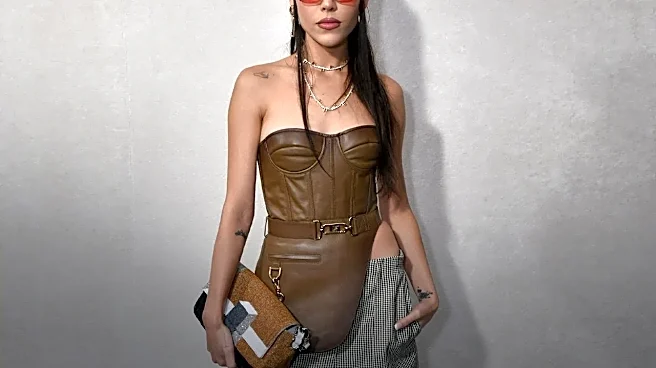
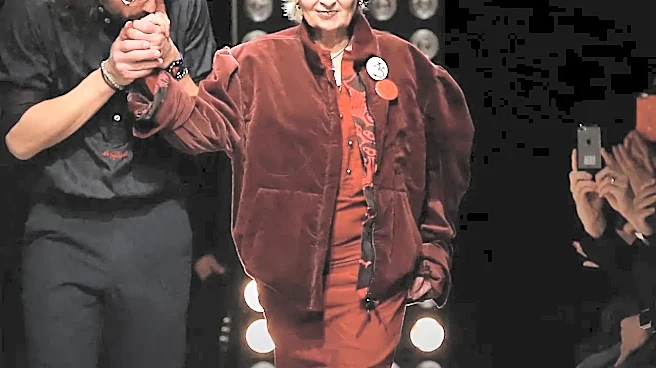
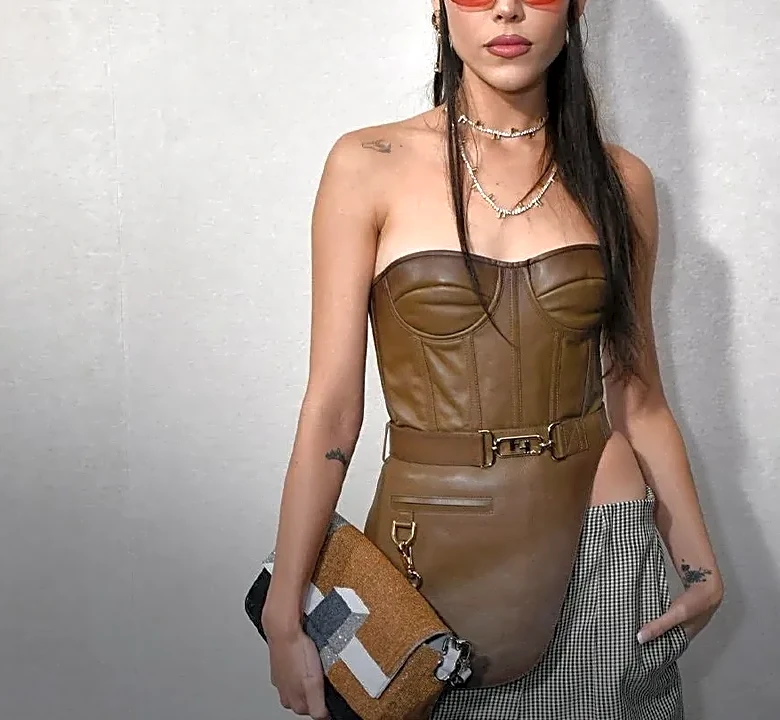
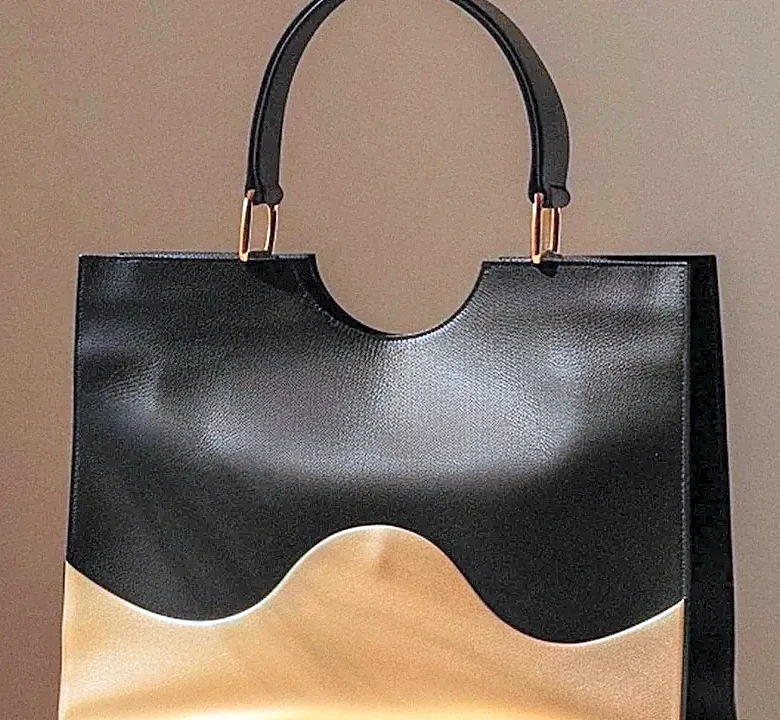
dealers, a uniform of subdued, expensive basics often says 'I'm here to work; focus on the art, not me'. But for others, particularly collectors and creatives, the outfit is a tool. A single 'challenging' piece—be it a sculptural handbag, architecturally bizarre shoes, or a coat with an impossible silhouette—is a deliberate move in a complex social game. It’s a way of communicating one’s personality and point of view without uttering a word.
Becoming Part of the Exhibit
In a space dedicated to visual expression, some attendees choose to become a walking installation. That one challenging piece is a form of wearable art, a personal curatorial choice that says, 'My taste is not just for my walls'. This isn't just about looking 'artsy'; it's about embodying creativity. The wearer aligns themselves with the innovation and risk-taking celebrated in the surrounding booths. Their outfit becomes an extension of their aesthetic sensibility, suggesting that their eye for challenging art is matched by their eye for challenging fashion. It’s a performance, a way of blurring the line between the observer and the observed, and it confirms that self-expression is the main event.
The 'In-Group' Code
The art world, like any specialized field, has its own set of unwritten rules. Paradoxically, one of the most powerful ways to show you belong is by demonstrating you know how to break them. A truly challenging piece often functions as an 'in-group' signal. It might be a piece from an obscure, avant-garde designer known only to a select few, or a vintage item so odd it bypasses mainstream trends entirely. This choice says, 'I am not a tourist here. I am so fluent in this world’s codes that I can play with them'. It’s a subtle flex of cultural capital, a sartorial wink to fellow insiders who can appreciate the audacity and nuance of the choice.
The Confidence Game of Peacocking
The behavior of wearing a bold, attention-grabbing item is known in social psychology as 'peacocking'. While it's often associated with dating, in a professional or creative context, it’s about signaling confidence and sparking conversation. An unusual accessory or garment is an instant icebreaker in a room full of powerful, often intimidating people. It gives others an easy entry point: 'I have to ask about your bag'. By attracting attention in a controlled, deliberate way, the wearer projects an aura of self-assurance. They aren’t just waiting to be noticed; they are initiating the engagement on their own terms, turning their fashion choice into a strategic networking tool.
A Shield of Internal Armor
Finally, the choice might not be entirely for an external audience. The concept of 'enclothed cognition' suggests that what we wear has a direct impact on our own psychological processes. Wearing an item that feels bold, creative, or powerful can actually make us feel and act that way. For someone navigating the socially dense and often overwhelming environment of an art fair, a challenging piece can act as a kind of psychological armor. It’s a way to bolster internal confidence, helping the wearer feel less like an observer and more like a participant who owns their space. That single, defiant piece isn't just a statement to the world, but a reminder to themselves.