





1. The Ring of Steel on the Streets
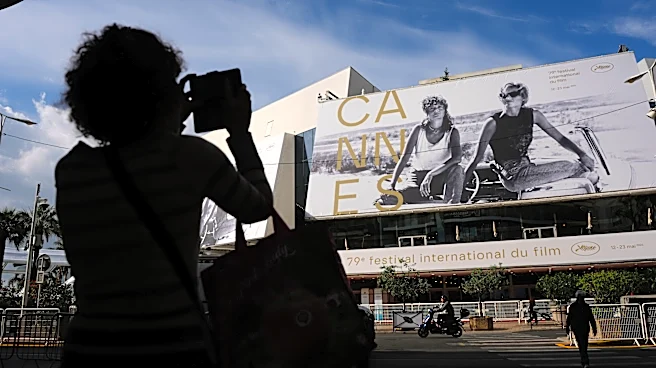
Forget a simple velvet rope. The area around the Palais des Festivals, the festival’s hub, is transformed into a veritable fortress. Hundreds of uniformed national and municipal police officers create a visible deterrent. This is bolstered by concrete barriers and vehicle checkpoints, a stark reminder of the 2016 Nice truck attack that occurred just miles down the coast. This physical lockdown is the first and most obvious layer of a deeply complex security strategy.
2. The Invisible Army
For every officer you see, there are several you don’t. Plainclothes officers are deployed throughout the crowds on the Croisette, the famous promenade. Their job is to blend in, listen, and watch for any suspicious behavior, providing intelligence from inside the throng of fans
and onlookers. They are the festival’s ghost-like first line of defense.
3. The Elite Tactical Units
When things go truly wrong, you don’t want to be making a call. That’s why elite tactical units from France’s GIGN (Gendarmerie Intervention Group) and RAID (the national police equivalent) are pre-positioned in and around Cannes. These are the best-trained, most heavily armed operators in the country, ready to respond to a major incident in minutes, not hours.
4. Eyes on the Rooftops
Look up. On the roofs of the luxury hotels and apartment buildings overlooking the red carpet, you won’t just find satellite dishes. You’ll find police sharpshooters. These snipers provide overwatch, scanning the entire area for threats that can’t be seen from the ground, giving security commanders an unparalleled high-ground advantage.
5. Constant Bomb Sweeps
Before any star sets foot in the Palais, teams of bomb-sniffing dogs (K-9 units) and de-mining experts sweep every inch of the venue. This isn't a one-time affair; these sweeps are conducted daily, and sometimes multiple times a day, ensuring the building remains sterile and secure from explosive threats.
6. The All-Access Badge Is a Myth
Your ticket or press pass is just the beginning. The festival uses a multi-tiered, color-coded badge system with embedded chips and holograms. Access is ruthlessly controlled. Even A-list talent and top executives have badges that only grant them access to specific zones at specific times, preventing anyone from wandering where they don’t belong.
7. Facial Recognition Is Watching
The city of Cannes is blanketed with over 800 CCTV cameras, and in recent years, this network has been augmented with facial recognition software. The system can cross-reference faces in the crowd against watchlists of known threats, flagging potential dangers for security personnel in real-time. It’s a digital dragnet operating silently in the background.
8. Drones: For Their Eyes Only
While you can’t fly your own drone, the police certainly can. They use their own fleet of surveillance drones to monitor crowd movements and blind spots that fixed cameras can’t cover, giving them a dynamic, real-time aerial view of the entire security perimeter.
9. Anti-Drone Countermeasures
What if a terrorist or a paparazzo tries to fly a drone over the red carpet? Cannes has a plan for that. Advanced anti-drone technology can be used to jam rogue drone signals or even take control of them and force them to land safely, neutralizing aerial threats before they can disrupt the event or cause harm.
10. Securing the Sea
Cannes is a coastal city, and a threat could come from the water. The French navy and maritime gendarmerie patrol the bay, creating a security zone around the festival. Divers even inspect the underwater areas around the Palais and major yacht parties for potential threats.
11. No-Fly Zone
During the festival's most sensitive periods, especially for the opening and closing ceremonies, a temporary no-fly zone is often established over the area. This isn't just about drones; it applies to helicopters and other low-flying aircraft, ensuring the airspace above the stars is completely controlled.
12. The Celebrity Bubble
The festival’s security doesn’t replace a star’s personal team; it coordinates with them. A central command post integrates public and private security, ensuring that when a star like Zendaya or Timothée Chalamet arrives, their bodyguards are in direct communication with French police, creating a seamless bubble of protection from their car to the carpet.
13. The Ban on Selfie Sticks (and Large Bags)
In 2015, the festival director famously banned selfies on the red carpet, calling them "ridiculous and grotesque." While partly an aesthetic choice, it also has a security benefit: it keeps the line moving and prevents people from stopping and creating a security bottleneck. Similarly, restrictions on large bags are strictly enforced to limit the potential for concealed weapons or devices.
14. A Centralized Security Command
All of these elements—police, private security, CCTV feeds, drone intel—are fed into a single, unified command center. This allows the head of security to have a complete, god-like view of the entire operation and make coordinated decisions instantly.
15. Cyber Intelligence and Social Media Monitoring
The threat isn't just physical. Security teams now include cyber intelligence analysts who monitor social media and the dark web for any chatter that could indicate a planned attack or disruption at the festival. The fight to protect Cannes begins weeks in advance, in the digital realm.