



The Invisible Architecture of Preparation
Long before a host says, “Welcome to the show,” a huge amount of work has already been done. The foundation of a great interview podcast isn't charisma; it's research. Producers and hosts spend hours, sometimes days, digging into a guest's work, past
interviews, and public statements to unearth fresh angles and avoid repeating tired questions. This deep preparation allows the host to guide the conversation with confidence, knowing where the most interesting stories are buried. It also involves a crucial step many listeners never consider: the pre-interview. This is a brief, off-the-record chat to build rapport, align on topics, and make the guest feel comfortable before the microphones are even on. It’s about building a trusting environment where a genuine conversation can happen, rather than a stiff, formal Q&A.
Engineering the Perfect Conversation
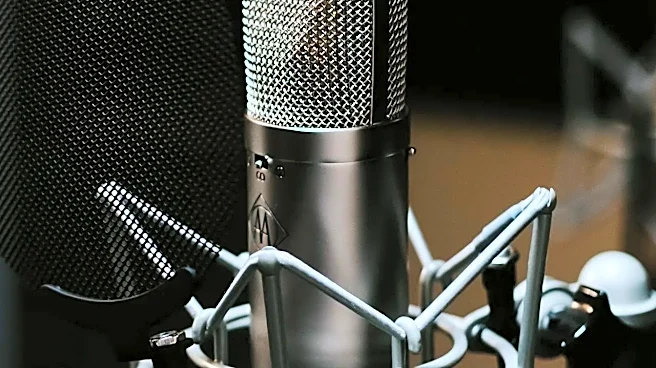
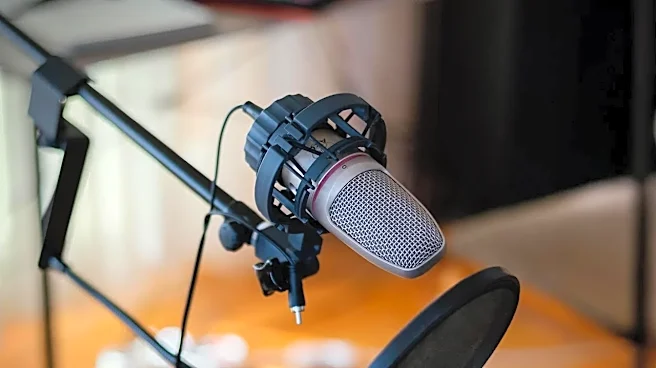
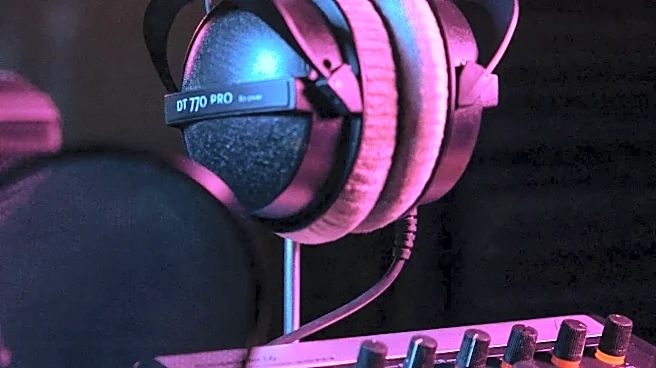
When it’s time to record, the focus shifts to technical excellence and skillful moderation. The crisp, clean audio that listeners take for granted is anything but accidental. It’s the result of using quality microphones, ensuring the recording space is free of echo and background noise, and constant monitoring of audio levels. For remote interviews, producers often coach guests on how to get the best possible sound from their end, sometimes sending them equipment to ensure consistency. During the conversation itself, the host (often with a producer listening in) is performing a delicate balancing act. They are actively listening, guiding the narrative, deciding when to probe deeper, and when to move on, all while making sure the guest feels heard and respected. This isn’t just a chat; it's a directed performance designed to extract the most compelling content.
Crafting a Narrative in the Edit
The raw recording of an interview is often a rambling, messy affair filled with false starts, long pauses, verbal tics like “um” and “like,” and tangents that lead nowhere. This is where the real magic happens. In post-production, an editor or producer meticulously combs through the audio, sometimes cutting hours of tape down to a tight, focused 45 minutes. The goal isn’t to mislead or change what was said, but to enhance clarity and narrative flow. Awkward pauses are tightened, repetitive phrases are removed, and the best parts of the conversation are stitched together to form a coherent and compelling story. This process is incredibly time-consuming but essential. It’s the reason a conversation can feel both profound and perfectly paced, moving from one insight to the next without a wasted moment. The editor is, in essence, a storyteller shaping the raw material into a finished piece.
The Final Polish That Sells the Story
The last layer of production is the audio polish that transforms a clean edit into a professional broadcast. This includes sound design and mixing. An audio engineer will balance the volume levels between the host and guest, ensuring one person isn't louder than the other. They'll apply subtle effects to make the voices sound richer and more present. Then comes the sonic branding: the intro music, the subtle sound effects or musical stings that transition between segments, and the outro that wraps it all up. This final step is what gives a podcast its distinct personality and signals a high level of quality to the listener. It creates an immersive experience, turning a simple conversation into a signature audio product. It’s the frame that makes the picture—the effortless conversation—truly stand out.