




How We Got Here: The Age of the Algorithm
For the better part of a decade, the culture of television was defined by isolation. Streaming platforms like Netflix perfected the art of the binge-release, dropping entire seasons at once and training audiences to consume stories at their own pace,
often alone. This model turned TV into a personal, algorithm-driven experience rather than a shared cultural one. The water cooler conversations that once dissected last night’s cliffhanger were replaced by frantic, spoiler-averse chats about shows people watched weeks apart. Entertainment became fragmented, a lonely pursuit optimized for one viewer at a time. While convenient, this shift eroded the communal rituals that made television a cultural touchstone for generations.
The Streamers' New Battlefield: Subscriber Churn
For streaming services, the endless growth party is over. The new name of the game is retention. With fierce competition and rising subscription costs, platforms are grappling with “subscriber churn”—the costly problem of users signing up to watch one show and canceling immediately after. To combat this, streamers are deliberately reintroducing scarcity. Instead of the full-season drop, many are returning to a weekly release schedule for their biggest shows. This strategy is designed to keep a show in the cultural conversation for months, not just a single weekend, forcing subscribers to stick around. It’s a calculated move to recreate the appointment viewing they once helped dismantle, all in the name of keeping you hooked.
Enter the Modern Watch Party
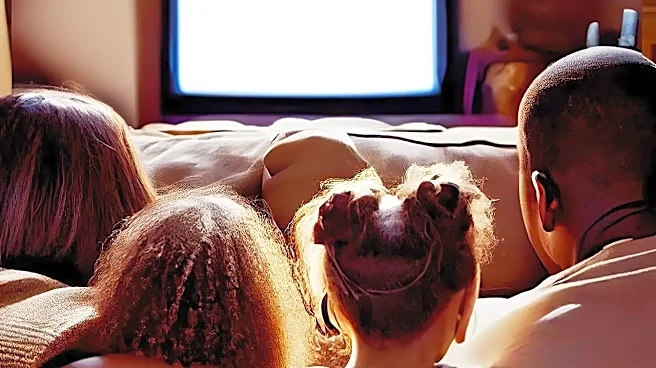
This strategic pivot by streamers has had an unintended, yet powerful, side effect: the resurgence of the watch party. As platforms create weekly, can't-miss television events, audiences are responding by creating their own social rituals. Especially popular among Millennials and Gen Z, watch parties for everything from prestige dramas to reality TV have become a monthly occurrence for many. These gatherings are a direct response to both the new weekly release cadence and a deeper human need for connection. In an increasingly digital and isolated world, the act of gathering with friends to experience a story together provides a powerful antidote to the solo-binge fatigue.
More Than Just Snacks and Spoilers
The return of the watch party isn't just about saving money on multiple subscriptions or having someone to gasp with during a plot twist. It represents a grassroots effort to rebuild the shared cultural moments that algorithms and binge-watching took away. These events turn passive viewing into an active, communal experience. The live commentary, the shared theories, and the collective emotional reactions transform an episode of television into a memorable event. It’s a way for viewers to reclaim control, creating their own cultural calendar and deciding what moments are worth sharing in person, not just online. It proves that for all the personalization technology can offer, the desire to experience stories together remains a fundamental human instinct.