



A Rollercoaster Start
Every great drama needs a moment of hope before the fall. South Korea's 2026 World Cup campaign began with exactly that. In their opening match against the Czech Republic, they went down a goal, looking unsteady. Then, a dramatic turnaround. Inspired
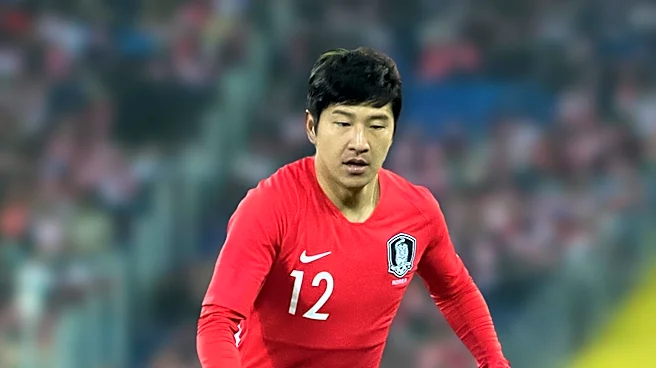
by a brilliant performance from midfielder Hwang In-beom and capped by a late winner from substitute Oh Hyeon-gyu, the Taegeuk Warriors snatched a 2-1 victory. The comeback sent fans in Seoul into ecstasy and suggested this team had the resilience for a deep run. A subsequent, hard-fought 1-0 loss to co-hosts Mexico was seen as a respectable result, setting up a final group match where their destiny was firmly in their own hands.
The Collapse No One Saw Coming
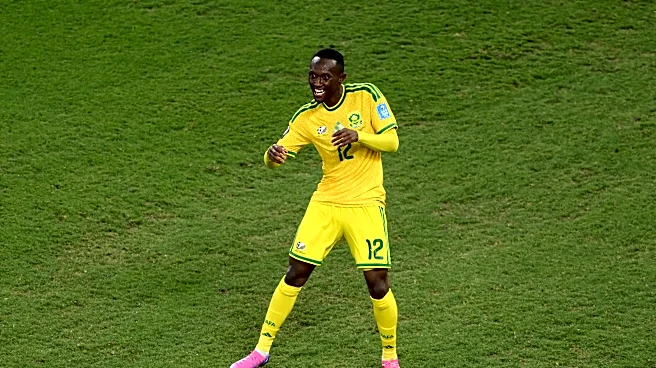
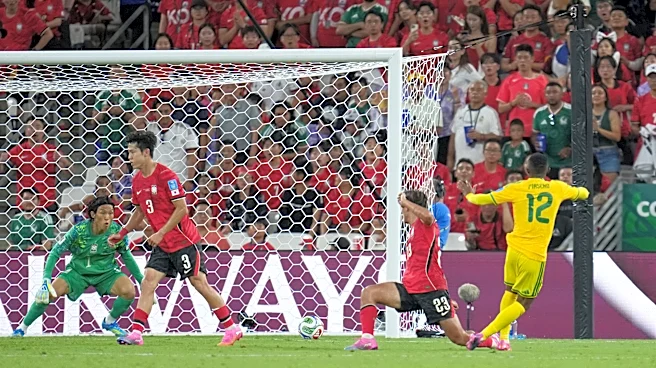
The stage was set against South Africa. Needing only a draw to guarantee a spot in the knockout rounds, the path forward seemed clear. Instead, what followed was a shocking reversal of form. South Korea delivered a lifeless and unimaginative performance, described by critics as one of their worst in recent memory. South Africa, showing more desire and invention, scored in the second half to seal a 1-0 victory. The result left the South Korean players stunned and their progression hanging by a thread, dropping them to third place in the group.
A Superstar Benched, A Nation Bewildered
The tactical decision at the heart of the collapse has become a national controversy. For this must-not-lose game, coach Hong Myung-bo made the stunning choice to leave superstar captain Son Heung-min on the bench. The justification was tactical: to introduce Son in the second half against a tired defense. But the plan backfired completely. The team lacked creativity without him, and by the time he was brought on at halftime, the damage was done. The move was savaged by the Korean and international press, with many questioning the logic of sidelining your greatest-ever player in the most crucial moment.
A Legend Under Fire
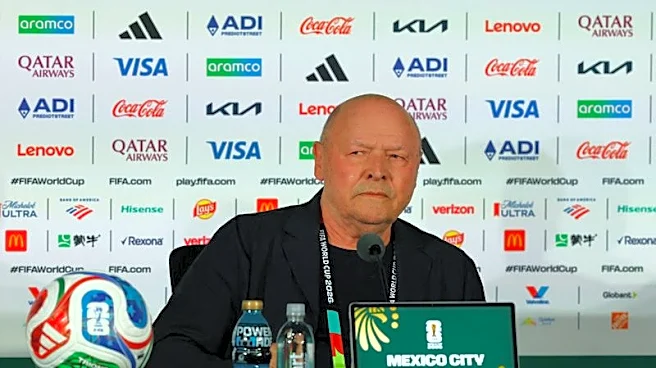
At the center of the storm is coach Hong Myung-bo. A national icon, Hong was the revered captain of the legendary 2002 team that reached the World Cup semifinals. Now, as a manager, he finds himself in the firing line. He has publicly accepted full responsibility for the defeat and his questionable tactics. "I guess I made the wrong decisions, and that was the reason why we had a bad result," he stated, as his team's fate slipped from his control. The pressure on the former legend is immense, with his future as coach now looking uncertain.
The Agonizing Wait for a Second Chance
This is the "prove-it" story in its rawest form. After a campaign of soaring highs and baffling lows, South Korea's World Cup is not over, but it is no longer theirs to control. They now face an agonizing wait, watching the final matches of other groups to see if their three points will be enough to qualify for the Round of 32 as one of the best third-placed teams. They squandered their first chance to prove they belong in the knockout stage. If the soccer gods grant them a second, they will have to answer the question that now hangs over their heads: Is this a team of destiny, or one that has already crumbled under the weight of expectation?