

A Vision of Musical Diversity
Founded in 1959 as a counterpart to the Newport Jazz Festival, the event's mission was to showcase the vast diversity of American folk traditions. Founders like George Wein and Pete Seeger envisioned a stage not just for popular singer-songwriters, but
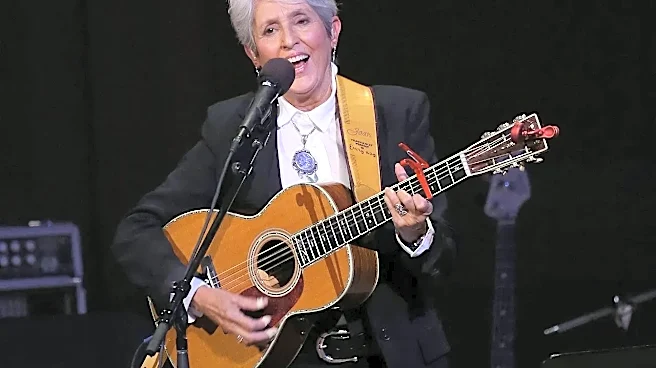
for the authentic, varied music of the people. The inaugural lineup featured not only rising star Joan Baez but also bluesmen like Sonny Terry and Brownie McGhee, gospel legend Mahalia Jackson, and the Southern Appalachian stylings of the Stanley Brothers. From day one, the definition of “folk” included rural traditions, urban blues, gospel choirs, and music from beyond America’s borders. This wasn't about enforcing a rigid genre; it was about presenting a living, breathing tapestry of grassroots musical expression.
The Night Folk Plugged In
The most legendary flashpoint in this ongoing conversation happened on July 25, 1965. Bob Dylan, previously the acoustic darling of the festival, took the stage backed by an electric band. Launching into a loud, rocking version of “Maggie’s Farm,” he was met with a mix of cheers and infamous boos from an audience of purists who felt betrayed. While some have debated the cause of the jeers—citing poor sound quality or the set's brevity—the moment became a line in the sand. Yet, Dylan wasn't even the first to play an electric set at Newport. The move was significant because he was seen as the movement's icon, and his electric turn symbolized a seismic shift, proving that folk music's power wasn't tied to acoustic purity but to its evolving voice.
The Legacy of Protest and Community
Beyond sonic boundaries, Newport has always been a platform for social commentary. In the 1960s, it became a crucial staging ground for the Civil Rights Movement. The Freedom Singers, a gospel quartet formed to raise money for the Student Nonviolent Coordinating Committee, performed in 1963, leading a march through Newport's streets. That same year, Dylan, Baez, and Peter, Paul and Mary led a moving group performance of “We Shall Overcome.” Artists like The Staple Singers and Odetta consistently used the Newport stage to amplify calls for justice. This tradition continues, with the festival remaining a space where artists connect music to activism, proving that “folk” is as much about the message as the melody.
The Modern Melting Pot
After a hiatus, the festival returned in 1985 and has only broadened its musical tent since. Today’s lineups comfortably place indie rockers, funk supergroups, and hip-hop trailblazers alongside traditional singer-songwriters. Recent festivals have featured genre-bending acts like The Roots, Beck, Big Freedia, and Lauryn Hill. In 2026, the bill included Rage Against the Machine guitarist Tom Morello and the funk group The Fearless Flyers. This eclectic curation isn't a departure from Newport's roots; it's the ultimate fulfillment of its founding vision. The festival continues to sell out before a single artist is even announced, a testament to the trust the audience has in its expansive, inclusive definition of folk.