




More Than a Trophy, It’s a Tool
Unlike the formal Oscars or Grammys, the VMAs have a legacy built on unpredictability and raw energy. An artist stepping onto that stage knows the goal isn't just to thank their agent. It’s a live, global platform to settle a score, launch a new era,
or permanently etch their name into pop culture history. The acceptance speech becomes a strategic tool. When Kanye West grabbed the mic from a 19-year-old Taylor Swift in 2009, his line, "Yo, Taylor, I'm really happy for you, I'mma let you finish, but Beyoncé had one of the best videos of all time!" wasn't just a rude interruption; it became a meme-defining moment that has been referenced for over a decade. Similarly, when Nicki Minaj stared down host Miley Cyrus in 2015 and asked, "Miley, what's good?" it was a masterclass in creating a moment of unmissable tension that dominated headlines for days.
Anatomy of the Perfect Soundbite
So, what makes a VMA one-liner go viral? It comes down to a few key ingredients. First, it must be brutally concise. It has to be short enough to become a social media caption, a GIF, or a headline. Second, it needs to be loaded with emotion—whether it's the shock of a presidential bid announcement or the empowerment in an artist's declaration. Kanye West’s 2015 Vanguard Award speech was a rambling, 13-minute monologue, but it’s remembered for one shocking conclusion: his plan to run for president. Olivia Rodrigo’s 2021 speech for “Drivers License” connected with her young audience by dedicating the award to "all of the other girls who write songs on their bedroom floor," a line that was both personal and universally relatable for her fans. The goal is to deliver a line so impactful it can be lifted directly from the speech and stand on its own.
Controlling the Narrative
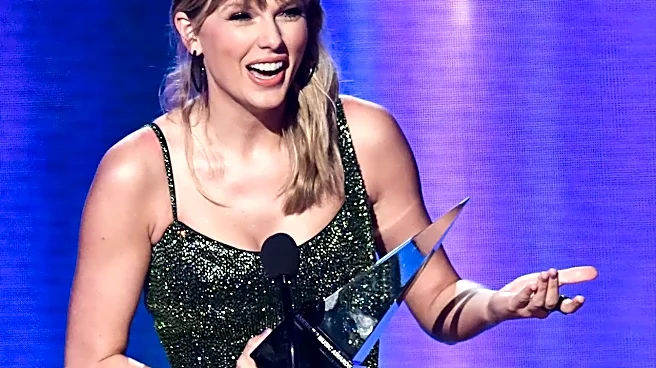
The VMA stage is the ultimate arena for narrative warfare. Artists use these speeches not just to react to winning, but to proactively shape their public image. Taylor Swift has become a master of this, using her VMA moments to her strategic advantage. After the 2009 incident, she used her platform for years to subtly reference the feud and her own resilience. More recently, she has turned her acceptance speeches into surprise album announcements, a move that guarantees a media frenzy and direct communication with her fanbase, bypassing traditional marketing cycles. At the 2019 VMAs, she pivoted from thanking fans to directly calling out the White House and advocating for the Equality Act, transforming a personal win into a powerful political statement. These moments feel spontaneous, but they are calculated to steer the public conversation on the artist's own terms.
The Authenticity Paradox
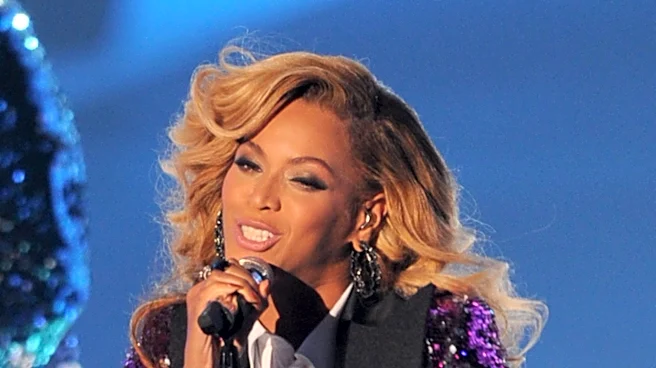
The true genius of a viral VMA quote lies in the authenticity paradox: it must feel completely real, even if it was meticulously planned. Body language experts have noted how artists like Taylor Swift appear confident and controlled, pausing to ensure they say exactly what they want to say, suggesting a prepared mindset. Yet, the moments that resonate most deeply often feel like raw, unfiltered emotion. Justin Bieber breaking down in tears after his 2015 performance or Beyoncé unbuttoning her blazer to reveal her pregnancy in 2011 are prime examples. The audience wants to believe they are witnessing something spontaneous. The artist’s job is to deliver a line that feels like an emotional truth, a sudden confession, or a righteous outburst. It’s a performance of spontaneity, and at the VMAs, that performance is the main event.