





1. Solidify a Killer Identity
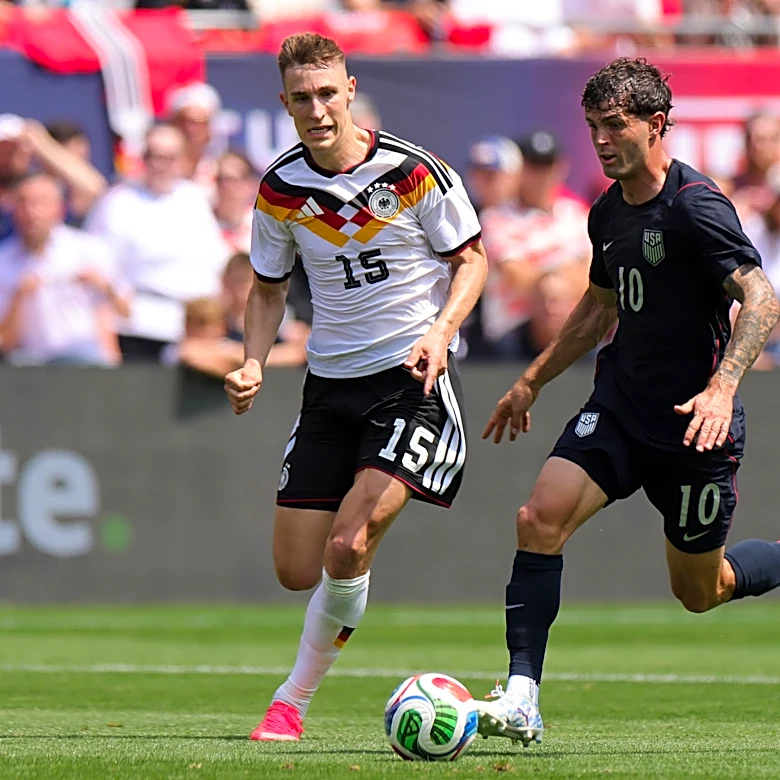
For years, the USMNT’s identity has felt… negotiable. Are they a pragmatic, defensive team that grinds out results? Or a high-pressing, dynamic squad that can take the game to anyone? For 2026, they must pick a lane and floor it. The core of this team—Christian
Pulisic, Weston McKennie, Tyler Adams, Gio Reyna—is technically gifted, athletic, and plays in top European leagues. The system should be built to unleash them. Whether it’s Gregg Berhalter or a new manager at the helm, the next two years must be spent building a clear, aggressive philosophy that is second nature by the time the first whistle blows. No more showing up to a World Cup and figuring it out on the fly. The best teams know who they are, and the U.S. needs to join that club.
2. Solve the Striker Problem, For Real
It’s the great American soccer saga: the search for a reliable, ruthless No. 9. While the U.S. has produced world-class goalkeepers and midfielders, a consistent 20-goal-a-season-caliber striker has been elusive. Folarin Balogun’s commitment was a massive boost, and he has the talent to be that guy. But the pressure on him will be immense. The team needs to not only support him but also cultivate competition and alternatives. Whether it’s Ricardo Pepi finding his form, Haji Wright continuing his development, or another name emerging, the U.S. cannot go into a home World Cup hoping their striker gets hot. They need a proven goal threat who can turn a tight 0-0 quarterfinal against a European giant into a 1-0 win. That’s the difference between a nice run and a true statement.
3. Weaponize the Home-Field Advantage
Hosting is more than just having cheering fans in the stands. It’s a massive strategic advantage, if used correctly. The 2026 World Cup will be spread across the continent, from New York to Los Angeles, with varying climates and long travel days. The U.S. Soccer Federation must become masters of logistics. They can acclimate better, travel smarter, and choose base camps that give their players a recovery edge. Furthermore, they can make every stadium a fortress. Opponents should dread flying for six hours to play in 95-degree Texas heat or on a chilly night in the Northeast. This isn’t just about fan noise; it's about making the vastness of the United States a tactical weapon that wears down visiting teams.
4. Get the “Golden Generation” to Peak Together
Pulisic, Adams, McKennie, Dest, Reyna. We’ve been hearing about this crop of players for years. In 2026, they will all be in their prime playing years (roughly 26-28 years old). This is their moment. The challenge is ensuring they arrive healthy, in form, and mentally prepared. The next two years of club football are critical. They need to be playing regularly at the highest possible level, managing their bodies, and avoiding major injuries. For the USMNT, it means fostering a competitive but unified environment where the best players push each other. The team’s success rests on the shoulders of this core group. If they collectively hit their peak in the summer of 2026, they can play with anyone in the world.
5. Embrace the Spotlight and the Pressure
In 2022, the USMNT was a compelling side story. In 2026, they will *be* the story. Every sports network, morning show, and newspaper in the country will be covering their every move. The pressure will be unlike anything any U.S. men’s team has ever faced. They can’t shrink from it; they have to embrace it. This means being mentally tough enough to handle the media scrutiny, the weight of a nation’s expectations, and the pressure of knockout soccer on home turf. It’s about building a bulletproof team culture that thrives under the brightest lights. Making a statement means acting like you belong there, and for the USMNT in 2026, that will be the ultimate test.