




The Myth of Effortless Cool
Twice a year, the menswear world descends on Florence, Italy, for Pitti Uomo, a trade show famous for its street style. It’s a showcase for “sprezzatura,” an Italian concept meaning a kind of studied nonchalance. The goal is to look stylish without seeming
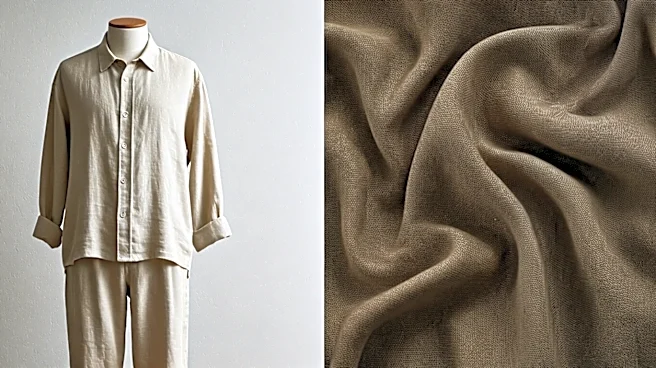
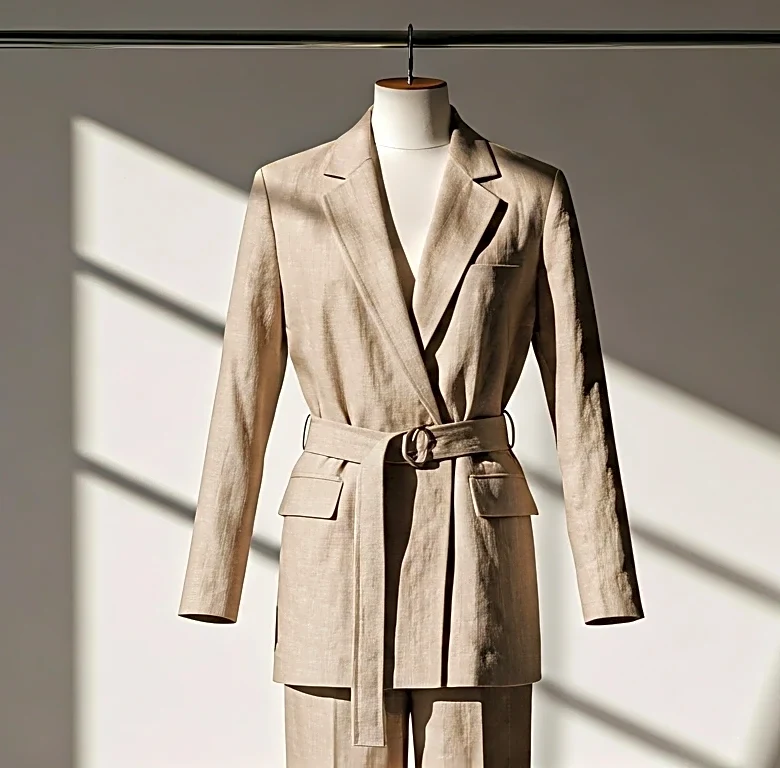
like you’ve tried too hard. But in recent years, this has curdled into a performative, attention-seeking display often called “peacocking.” The “Pitti Uomo Mistake” is the embodiment of this try-hard nonchalance, and linen is its primary victim. Men appear in deeply, almost aggressively wrinkled linen suits, thinking it projects a devil-may-care vibe. But instead of looking “lived-in,” the fabric just looks messy, unkempt, and cheap. The artifice is obvious. True elegance is about control and intention, even when cultivating a relaxed appearance. A head-to-toe crumpled look isn’t nonchalant; it’s a costume.
From Sloppy to Sharp
So, how do you wear linen without falling into this trap? The secret isn’t to fear wrinkles. Wrinkles are part of linen’s charm; they tell a story of a day well-spent. The goal is to control the narrative. You want your linen to develop soft, rolling waves, not sharp, chaotic creases. The difference lies in a few foundational rules that create a framework of smartness, allowing the fabric's natural texture to shine through as a feature, not a flaw. When the rest of your outfit is sharp, the texture of linen becomes a deliberate, sophisticated choice. Here’s how to get it right.
Rule 1: Nail the Fit Above All
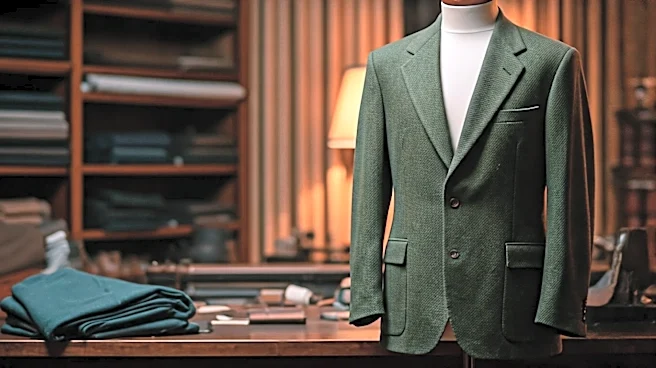
No amount of artful wrinkling can save a garment that doesn't fit. This is the most common pitfall. Many men buy linen in a larger size, thinking a billowy, oversized cut feels more casual and airy. It doesn’t—it just looks sloppy. A linen blazer should still fit cleanly across your shoulders and chest. Linen trousers should be hemmed to the correct length, with a clean break over your shoes. A slim, tailored silhouette provides the necessary structure. Without a good fit as your anchor, any wrinkles will immediately read as messiness. Fit is the skeleton; the wrinkles are just the personality that hangs on it.
Rule 2: Choose a Heavier Weave
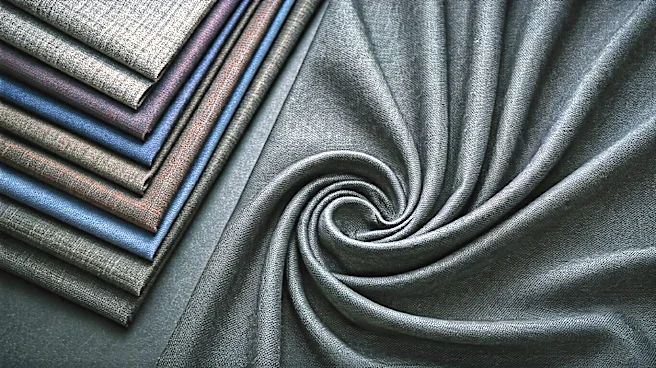
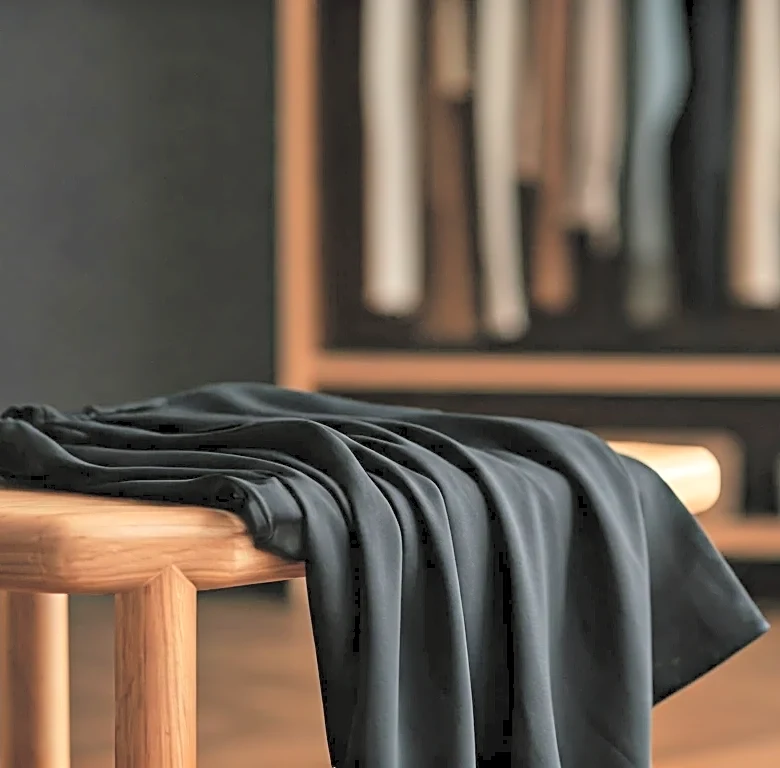
Not all linen is created equal. The paper-thin, gauzy linen found in many fast-fashion stores is a recipe for disaster. It wrinkles if you so much as look at it, creating a web of tiny, sharp creases that look frantic and messy. Instead, invest in higher-quality, heavier-weight linen or a linen-cotton blend. A denser fabric has more body and will resist wrinkling much more effectively. When it does crease, it will form fewer, larger, and softer rolls that look distinguished and intentional. Think of the difference between a crumpled paper napkin and a soft, heavy tablecloth—both have texture, but only one looks elegant.
Rule 3: Keep Everything Else Crisp
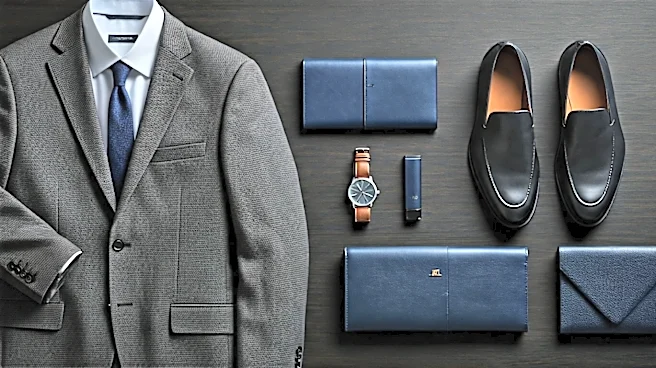
Contrast is your best friend. The key to making textured linen work is to ensure other elements of your outfit provide a clean, sharp counterpoint. If you’re wearing a rumpled-but-right linen shirt, pair it with well-pressed chinos, dark wash jeans, or tailored wool trousers. If you’re opting for linen pants, make sure your T-shirt, polo, or button-down is crisp and clean. A full, head-to-toe wrinkled linen suit is the pinnacle of the Pitti Uomo mistake because it lacks a visual anchor. By grounding the linen with something sharp, you telegraph that the texture is a deliberate style choice.
Rule 4: Use a Steamer, Not an Iron
You should never try to iron a linen garment into stiff, wrinkle-free submission. That’s a losing battle and it strips the fabric of its character. The goal is to manage the wrinkles, not obliterate them. A quick pass with a garment steamer is the perfect tool. It will release the harsh, tight creases from storage or a long car ride, but will leave the fabric’s natural texture and a few gentle, lived-in waves. Steaming relaxes the fibers without flattening them. It takes five minutes and transforms your shirt from “I slept in this” to “I have a steamer and I know how to use it.”