
More Than an Awards Show
Unlike the sterile, polite applause of many awards ceremonies, the Hip Hop Honors felt more like a family reunion in a packed arena. The shows, particularly the landmark 2016 “All Hail the Queens” edition, weren't just about handing out trophies; they
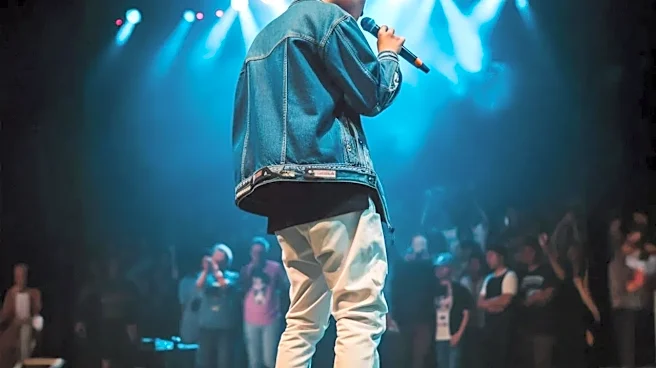
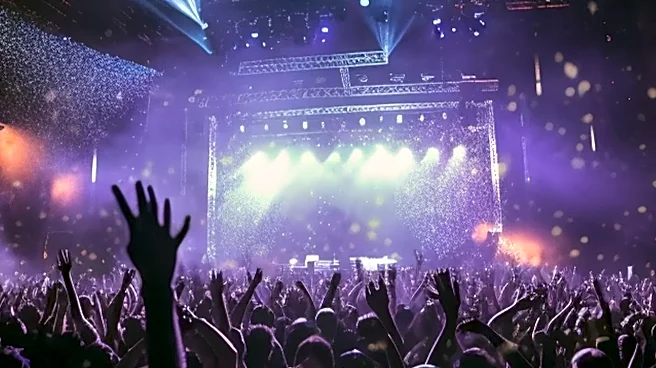
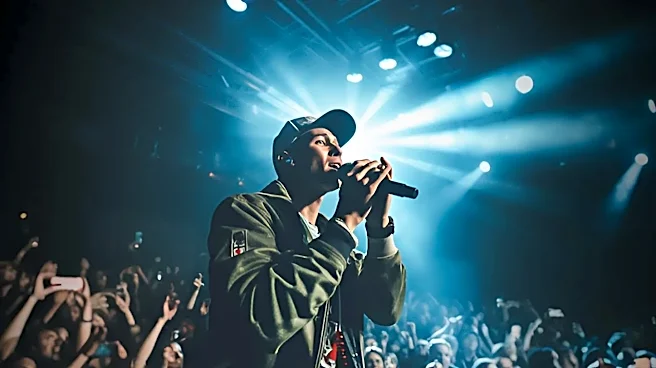
were about validating legacies in real time. The honorees—legends like Queen Latifah, Missy Elliott, Lil' Kim, and Salt-N-Pepa—were celebrated by artists they'd inspired. But the most powerful validation came from the hundreds of people in the crowd who didn't just remember the music but had lived it. This audience wasn't composed of passive observers. They were active participants, a living archive of hip hop history whose energy transformed the event from a television special into a genuine cultural gathering. Their role was baked into the DNA of hip hop itself, a genre built on the call-and-response dynamic of the block party, where the line between performer and crowd blurs into a single, pulsating force.
The Unofficial Backup Vocalists
The most electrifying moments were often a duet between the stage and the seats. When Teyana Taylor channeled Lil' Kim for a stunning tribute, she didn’t just mimic the iconic looks; she tapped into a shared memory. As she launched into classics like “No Time” and “All About the Benjamins,” the crowd erupted, becoming a de facto choir. They knew every word, every ad-lib, every pause. This wasn't just singing along; it was a collective incantation, a testament to how deeply these songs were embedded in the cultural consciousness. An artist on stage can perform a song, but only an audience that has carried that song with them for decades can give it that kind of resonant power. They filled the room with an authenticity that no backing track could ever replicate, effectively becoming the world’s most passionate and knowledgeable backup vocalists.
When Call-and-Response Becomes Communion
The 2016 show culminated in a moment of pure communion. Queen Latifah took the stage to perform her anthem of female empowerment, “U.N.I.T.Y.,” flanked by a multi-generational assembly of female MCs. As she rapped, the camera panned across a crowd that was not just watching, but participating with an almost spiritual fervor. Every hand was up, every voice joined hers. It was a performance that transcended the venue, speaking directly to the social tensions of the moment and reaffirming the song's enduring relevance. The audience wasn't just responding to cues; they were co-creating the experience. They were the living proof of the unity Latifah’s song called for. In that moment, the audience provided more than just atmosphere; they provided the emotional and cultural context that made the performance historic.
A Legacy Confirmed by the People
Producers can book the talent, choreographers can stage the numbers, and networks can broadcast the show, but none of them can manufacture the feeling of a room full of people who genuinely love and understand the art form. The Hip Hop Honors demonstrated that the ultimate measure of an artist's impact isn't a statuette or a plaque, but the echo their work creates in the world. For these throwback moments, the audience was that echo, loud and clear. They were the secret ingredient, the force that elevated meticulous tributes into something raw, spontaneous, and unforgettable. They reminded us that hip hop, at its best, isn't a product to be consumed but a conversation to be a part of. The legends on stage provided the blueprint, but it was the crowd that brought the history to life.