





Theatricality Is the Whole Point
At the Academy Awards, the dominant aesthetic is often one of cinematic, almost severe elegance. A star is expected to look like a movie icon, polished and pristine. The Met Gala is about costume, a high-concept adherence to a theme that can sometimes
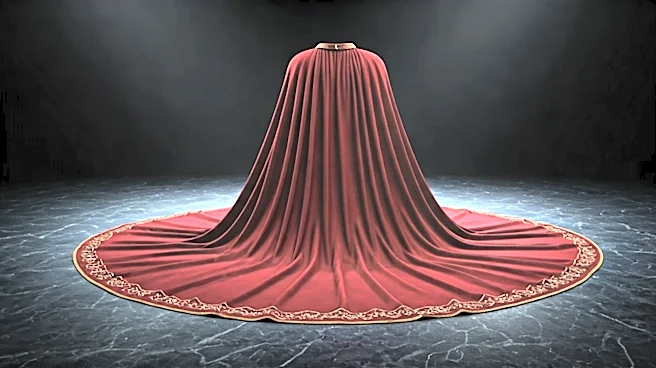
swallow the wearer whole. But the Tony Awards celebrate a different art form: live theater. And theater is, by its very nature, about grand gestures, heightened emotion, and commanding a physical space. A cape is the ultimate theatrical garment. It’s not a passive piece of clothing; it demands to be worn with intention. When someone like Alex Newell arrived at the 2023 Tonys in a shimmering gold Christian Siriano gown with a built-in, floor-sweeping cape, it didn’t feel like a costume. It felt like an extension of their stage presence. Broadway performers understand volume, movement, and drama in a way film actors, who often work in intimate close-ups, don’t have to. For them, a cape isn't a risky fashion choice; it’s a tool they already know how to use.
A Direct Nod to Stage History
Long before Superman donned his iconic red cape, the garment was a staple of the stage. From the swirling cloaks of Shakespearean kings and tragic heroes to the extravagant wraps of opera divas, the cape has a rich history as a piece of performance wear. It signifies power, mystery, and transformation. When a theater actor wears one on the red carpet, it’s an insider’s nod to the very foundations of their craft. It connects them to a lineage of performers who have used that same silhouette to create magic under the proscenium arch for centuries. Compare this to other red carpets, where a cape might be interpreted through the lens of superheroes or storybook royalty. Those are valid reference points, but at the Tonys, the context is deeper and more specific. It’s a sartorial tribute to the world of grease paint and ghost lights, a signal to fellow theater people that the wearer understands and reveres the traditions of their industry. It’s a piece of the stage brought out onto the street.
An Actor's Understanding of Movement
Watch how a theater veteran handles a cape versus how other celebrities do. There’s a palpable difference. A great stage actor knows how to make a garment part of their performance. Think of Billy Porter, a Tony and Emmy winner, who has made the cape a signature element of his style. His 2019 Golden Globes look, with its hot pink-lined cape, wasn't just a stunning outfit; it was a performance piece he expertly unfurled for the cameras. He understands that a cape is not just for a static photo but for the dynamic moment—the turn, the flourish, the dramatic reveal. This physical fluency is unique to performers who are used to being watched from every angle in a live setting. A film actor can rely on an editor to find their best moments. A stage actor is their own editor, in real time, for hundreds of people a night. They know how to use their body to fill a stage, and a cape amplifies that skill. A flourish of a cape at the Tonys is a natural extension of an actor’s physicality, whereas at another event, it can sometimes look like the wearer is wrestling with a bedsheet.
It’s About Power, Not Just a Theme
While the Met Gala has produced some of the most memorable capes in fashion history—think Rihanna’s imperial yellow Guo Pei masterpiece—they are often in service of a specific, intellectual theme. The cape is part of a required costume. At the Tonys, the theme is simply… theater. The cape isn't a response to a prompt; it's a declaration of identity and power within that specific community. Take Jonathan Groff’s look at the 2024 Tonys. He wore a sharp, double-breasted suit with a matching, attached half-cape that fell elegantly over one shoulder. It wasn’t an over-the-top, attention-grabbing statement. Instead, it was a subtle, sophisticated integration of a theatrical element into classic menswear. It communicated confidence and belonging. He wasn’t dressing up as a character; he was dressing as a leading man of the American theater, and the cape was the punctuation mark on that statement. It’s this authenticity that makes the garment resonate so powerfully at the Tonys—it's not a fashion fantasy, but a professional truth.