
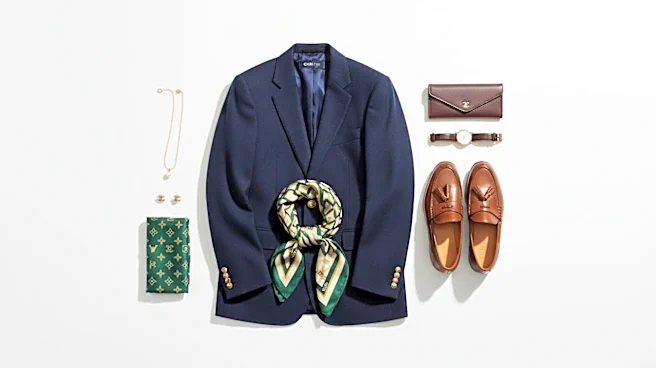


The Courtside Accessory of Choice
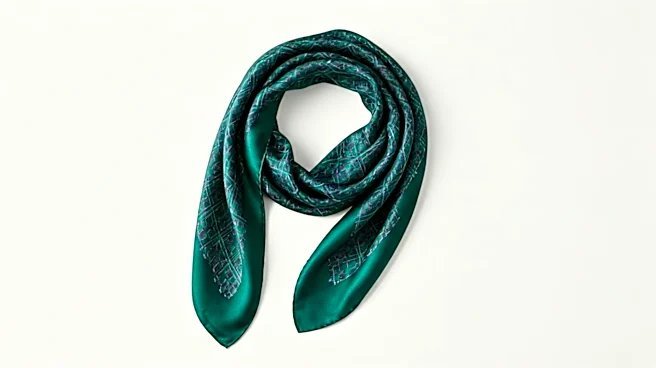
While the players adhere to a strict all-white dress code, the spectators at Wimbledon 2026 are showcasing a more personal, yet equally considered, style. Among the tailored suits and summer dresses, the silk twill neck scarf has emerged as a small but
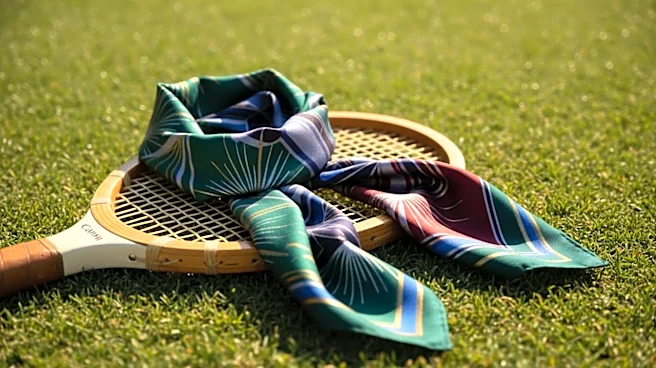
powerful detail. Knotted at the throat, tied to a handbag, or worn as a headband, it adds a splash of color and pattern—a knowing nod to a certain kind of classic, effortless chic. This isn't just about accessorizing; it's about participating in a specific aesthetic, one that values heritage and quiet luxury over fleeting trends. In the context of Wimbledon, where tradition is paramount, the silk scarf feels less like a fashion choice and more like part of the unofficial uniform for those in the know.
The Ralph Lauren Blueprint
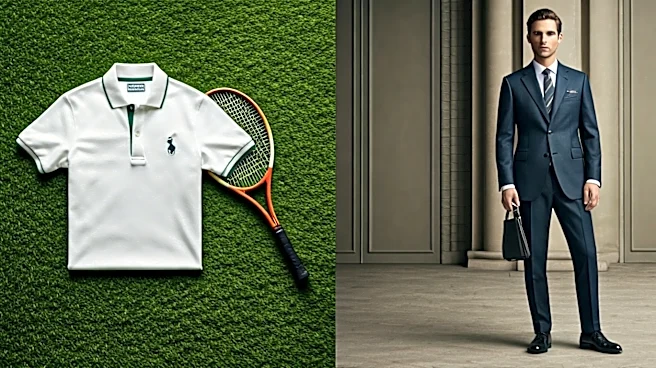
It’s impossible to discuss this aesthetic without mentioning Ralph Lauren. As the Official Outfitter for The Championships for over two decades, the brand has become woven into the very fabric of the tournament. Ralph Lauren didn't just put his logo on Wimbledon; he infused the event with his signature world of aspirational American style, which itself borrows heavily from English aristocracy and sporting life. The brand has outfitted umpires, line judges, and ball persons, creating a cohesive visual identity that feels both modern and deeply traditional. For 2026, the introduction of an ultra-luxury Purple Label Wimbledon capsule collection further cements this connection, elevating sportswear into the realm of high fashion. The silk scarf is a perfect microcosm of this philosophy: an accessible piece that allows anyone to buy into the polished, preppy, and perennially stylish world that Ralph Lauren has built.
A Nod to the 1920s Archive
The roots of this look stretch back a century to the 1920s, an era when spectator sports became a fashionable pastime. As tennis stars like Suzanne Lenglen revolutionized the game with their athleticism and daring short-sleeved, calf-length dresses, the style on the sidelines also evolved. Spectators, particularly women, began adopting variations of sportswear for themselves, pairing knee-length pleated dresses and tailored suits with stylish accessories. While berets were common, scarves also featured, often adding a touch of personal flair to an otherwise simple outfit. These early sportswear adopters understood that elegance and comfort could coexist. The 1920s established the very idea of a “spectator style”—being part of the event through one’s wardrobe—a tradition that lives on in the stands of Centre Court today.
The Art of the Twill
But why a silk twill scarf specifically? The choice of fabric is key. Silk twill is renowned for its unique combination of properties that make it ideal for a luxury accessory. The diagonal weave gives the fabric a subtle texture and a durable structure that is less prone to snagging than other silks. This sturdiness allows it to hold a knot beautifully, whether tied as a neat choker or a jaunty bow. Furthermore, silk twill has a sophisticated, subtle sheen—not as glossy as satin, but with more life than matte crepe de chine. This quality makes it the perfect canvas for the vibrant and intricate prints favored by luxury houses like Hermès and, of course, Ralph Lauren. The fabric feels substantial, drapes elegantly, and holds its color vividly, making it an investment piece that signifies quality.
Building Your Own Capsule
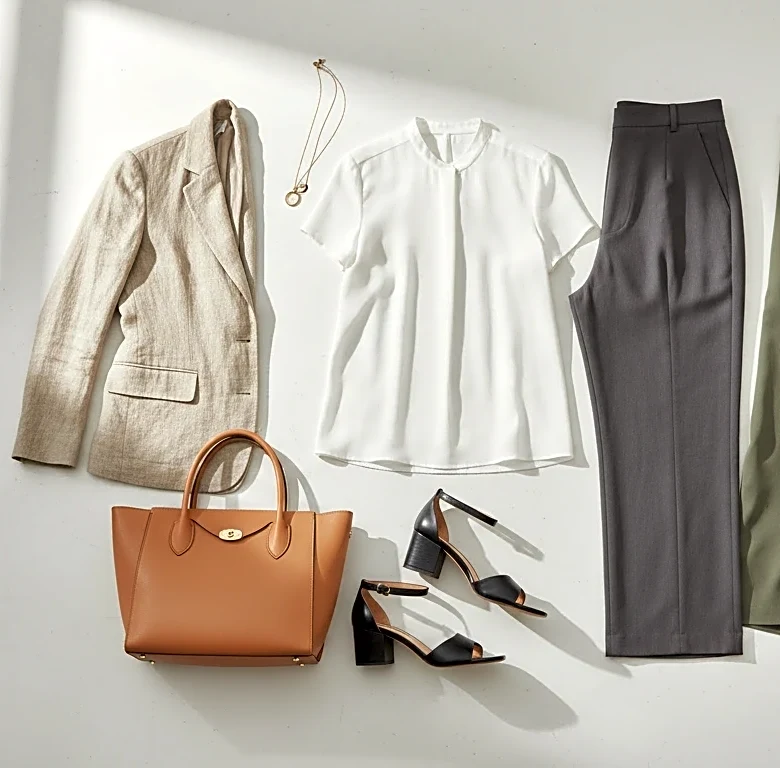
Embracing this look doesn’t require a ticket to the Royal Box. The idea of a “Ralph Lauren-level capsule” is about investing in timeless, versatile pieces that create a signature style. The silk twill scarf is a perfect starting point. It can elevate a simple white shirt and jeans, add polish to a blazer, or bring a new personality to a handbag by tying it to the handle. Think of it as a style multiplier. The key is to look for quality silk and a pattern that speaks to you. Whether it’s a classic equestrian print, a bold geometric design, or a delicate floral, the right scarf can be worn year-round in countless ways, proving that the most enduring style statements are often the most personal ones.