

The Body’s Natural Moisturizer
Before it was a staple on the beauty aisle, hyaluronic acid (HA) was simply a vital component of the human body. It’s a type of sugar molecule, a glycosaminoglycan, found in high concentrations in our skin, joints, and eyes. Its primary job is remarkable
in its simplicity: it binds to and holds water. Think of it as your body's innate hydration manager, capable of holding up to 1,000 times its weight in water, which keeps tissues like your skin lubricated, plump, and functioning correctly. This molecule is a key part of the skin’s extracellular matrix—the framework that gives skin its structure and firmness. In its natural state, it’s fundamental to skin’s overall health and appearance.
The Inevitable Decline With Age
The supple, resilient, and dewy look of youthful skin is largely thanks to an abundance of hyaluronic acid. High levels of HA keep the skin well-hydrated and firm. However, as we age, our bodies' ability to produce hyaluronic acid steadily decreases. This process can start as early as our 20s, and by age 50, our skin may have lost up to half of its natural HA supply. This decline is a critical, though quiet, factor in the visible signs of aging. As HA levels drop, the skin loses its ability to hold onto moisture as effectively, leading to increased dryness, a loss of elasticity, and the formation of fine lines and wrinkles. This internal drought makes the skin more vulnerable to damage and less able to bounce back.
How Topical Serums Lend a Hand
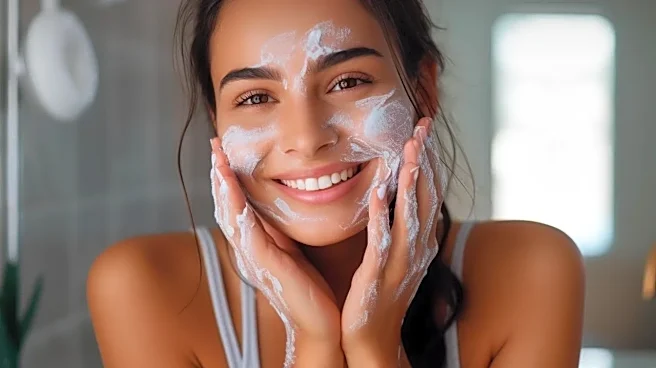
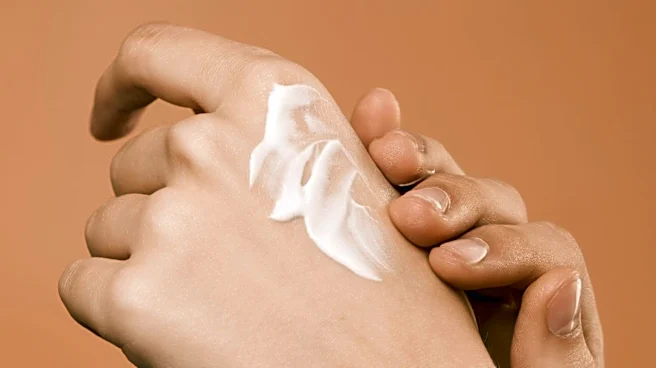
This is where skincare steps in. Topical products containing hyaluronic acid aim to supplement what the body no longer produces in abundance. When applied to the skin, HA acts as a powerful humectant, which means it draws moisture to the skin’s surface. This creates an immediate, visible effect: skin looks plumper, smoother, and more hydrated as the HA molecules on the surface fill with water. This temporary plumping action can significantly reduce the appearance of fine lines and wrinkles. For the best results, dermatologists often recommend applying HA serums to slightly damp skin, as this gives the molecule extra water to absorb and lock in. Following up with a moisturizer then helps to seal that hydration and prevent it from evaporating.
The 'Quiet' Long-Term Difference
The immediate plumping is what gets hyaluronic acid its fame, but its quiet, long-term effect is arguably more important for skin aging. Consistent use of HA helps support and maintain the skin's moisture barrier. A healthy, intact barrier is essential for defending the skin against environmental stressors like pollution and UV exposure, which are known to accelerate aging. Beyond just surface work, the effectiveness of topical HA often depends on its molecular weight. High-molecular-weight (HMW) HA sits on the surface, providing that instant plumping and forming a protective film to reduce water loss. Low-molecular-weight (LMW) HA, being smaller, can penetrate the skin more deeply, delivering hydration to the lower layers of the epidermis and offering more foundational support. Many modern formulas use multiple weights of HA to provide comprehensive benefits, hydrating the skin from the inside out and promoting long-term resilience.