








The Power of a Unified Voice
At its core, a stadium chant is a powerful act of creating a collective identity. When tens of thousands of individuals sing the same words to the same rhythm, they cease to be spectators and become a single, massive entity—the proverbial “12th man.”
This phenomenon is rooted in basic human psychology; synchronized activities foster a sense of unity and shared purpose. The sound doesn't just fill the air; it creates an 'us-against-them' fortress, turning a passive audience into an active participant in the contest. This sense of belonging is a powerful emotional experience for fans, but its real impact is felt down on the field.
Fueling the Home Team
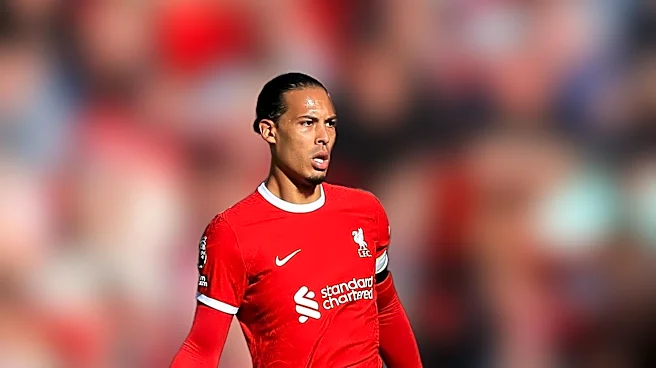
For the home team, a roaring crowd is like a shot of adrenaline. Players frequently describe the feeling of being carried by a wave of sound, which can inspire them to run harder and fight longer. Sports psychologists note that this supportive noise increases arousal and motivation. It reinforces a sense of belief and reminds players they are fighting for a larger community. One sports psychologist noted that a loud, supportive crowd is often the difference between victory and defeat. The famous 2019 Champions League comeback by Liverpool against Barcelona, where they overturned a 3-0 deficit with a 4-0 win at their home stadium, Anfield, is often cited as a prime example of a crowd refusing to let its team lose.
Intimidating the Opposition
The same wall of sound that uplifts the home side can be a deeply intimidating and disruptive force for the visiting team. A hostile atmosphere can create anxiety, disrupt concentration, and make on-field communication nearly impossible. Away players can feel isolated and overwhelmed, leading to unforced errors and poor decision-making under pressure. The constant jeering or targeted chants at a specific player can be psychologically wearing, making them second-guess their actions. For even the most seasoned professionals, the feeling of an entire stadium willing you to fail can be a heavy burden to carry for 90 minutes.
Swaying the Unseen Hand
Perhaps the most subtle, yet crucial, impact of a powerful chant is its effect on the referees. While officials are trained to be impartial, they are still human. Research suggests that intense crowd noise can subconsciously influence their decisions. One 2002 study found that referees who reviewed footage with audible crowd noise called significantly fewer fouls against the home team compared to those who watched the same plays in silence. The roar of the crowd can act as an auditory cue that sways a 50/50 decision, creating a powerful home-field advantage that goes beyond simple motivation. A torrent of abuse after a call can also make an official hesitant to make a similar decision again.
More Than Just Words
Not all chants are created equal. They range from anthems of unwavering support, like Liverpool's "You'll Never Walk Alone," to witty, often brutal, taunts aimed at opposing players or fans. Some chants are simple, rhythmic pulses designed to build tension, while others are complex songs that tell a story about the club's history or a specific player. The simple seven-note riff of The White Stripes' "Seven Nation Army" became a global symbol of victory after Italy's 2006 World Cup win. Each type of chant serves a different tactical purpose in the match, whether it's to praise a hero, mock a rival, or simply declare, with overwhelming force, "we are here."