





Your Bike Is Your Lifeline
First, understand the scale of Black Rock City. It’s a temporary metropolis spanning over seven square miles, and personal cars are forbidden from driving around. Walking from your camp to a distant art installation or sound stage could take hours under the relentless
sun. A bicycle isn't a fun accessory; it is your primary mode of transportation. It's the key to experiencing the event's vastness, from spontaneous sunrise yoga sessions in the deep playa to finding a specific camp's pancake breakfast. Without a bike, your world shrinks dramatically. This simple fact shapes every clothing decision before you even think about style. If you can't comfortably ride a bike in it for miles, it’s a liability, not an outfit.
The Tyranny of Playa Dust
The ground at Burning Man isn't sand; it's a fine, alkaline powder colloquially known as playa dust. This dust gets everywhere and into everything. It’s notorious for being corrosive and destructive. This environmental factor heavily influences fabric choices. Delicate materials, anything that sheds (like cheap feathers or glitter), and pristine white fabrics are poor choices. The dust clings to and stains them almost instantly. Experienced attendees opt for durable, smooth-textured fabrics that don't trap the powder. More importantly, dust storms can whip up with zero warning, reducing visibility to near zero. This is why goggles and face coverings like bandanas or masks aren't just a stylistic choice; they are essential survival gear to protect your eyes and lungs.
Surviving Extreme Temperature Swings
The desert is a land of extremes. Daytime temperatures can soar past 100°F, while nighttime can see them plummet into the 40s. An outfit that works for a sweltering afternoon will leave you shivering by midnight. The solution is modular dressing and strategic layering. A typical daytime look might involve light, breathable layers. But a veteran Burner ensures their bike has a basket or rack to carry what comes next: leggings, a hoodie, and, most iconically, a large faux fur coat. These coats are a quintessential part of the nighttime aesthetic, providing critical warmth against the desert chill while also serving as a canvas for lights and expression. The ability to add or shed layers while miles from camp is paramount.
The Dreaded Bike Chain Snag
This is where the headline's tension between the bike and the dance floor becomes literal. Long, flowing skirts, wide-leg pants, excessive fringe, or any dangling accessories can easily get caught in a bicycle's chain or wheels. This can lead to a ruined outfit, a damaged bike, or even a nasty fall in the middle of the desert, far from help. For this reason, many attendees choose outfits that are 'bike-safe.' This might mean opting for leggings, shorts, or bodysuits as a base. Those who wear more elaborate, flowing pieces often have a 'travel mode,' using clips, straps, or even dedicated shin guards to secure loose fabric before a long ride. The dance floor look is only revealed upon arrival.
Where Function Becomes Fashion
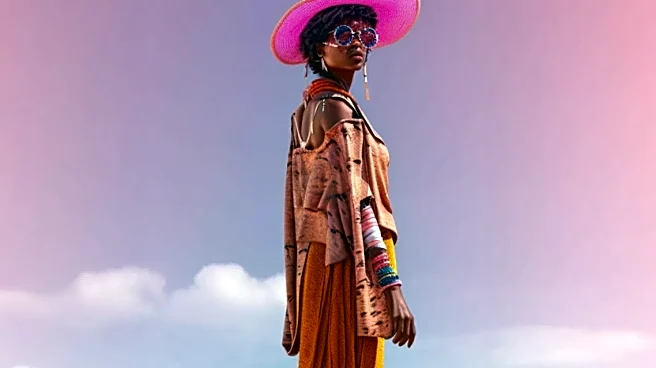
Ultimately, the unique aesthetic of Burning Man emerges from these constraints. The need for radical self-expression doesn't disappear; it just adapts. Goggles become customized works of art. Utilitarian boots are painted or modified. Dust masks become fashion statements. Most importantly, the need to be seen at night in the unlit expanse has turned personal lighting into an art form. Burners adorn their bodies and bikes with EL wire, LEDs, and other lights not just for style, but for safety. In this environment, function isn't the opposite of fashion—it's the foundation of it. The most memorable and successful outfits are those that cleverly merge survival needs with a creative vision, proving that you can look fabulous while being radically self-reliant.