



The Anatomy of a Rebellion
The rockabilly subculture that erupted in the 1950s was a full-throated rejection of the quiet conformity of post-war America. Fueled by the electrifying sounds of artists like Elvis Presley, Carl Perkins, and Johnny Cash, it was a movement defined by attitude,
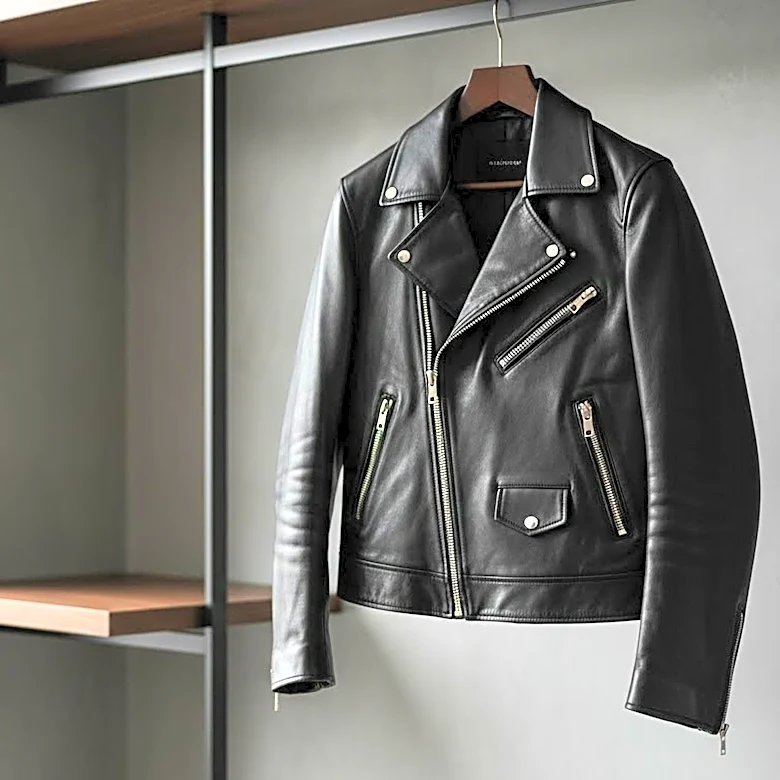
energy, and a very specific aesthetic. For men, this meant cuffed blue jeans, white t-shirts, and leather jackets—the uniform of the “greaser.” For women, it was a mix of feminine full skirts and daring, form-fitting wiggle dresses, often accented with bold prints like leopard or polka dots. But the entire look, from the pompadour hairstyle down, was incomplete without the right shoes. Footwear wasn't an afterthought; it was the foundation of the entire rebellious statement, signaling a break from the wholesome, suburban ideal.
Iconic Soles of the '50s
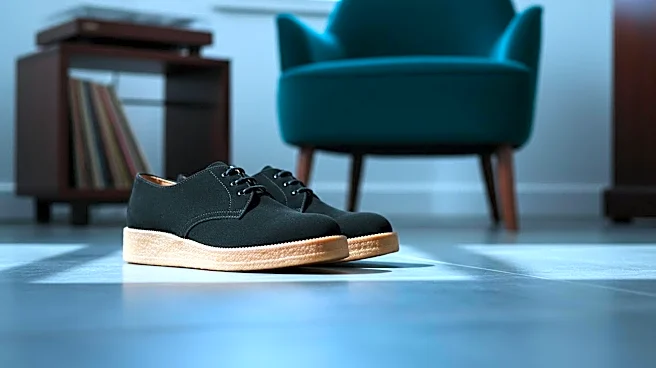
Two shoe styles, in particular, became synonymous with the rockabilly look: the saddle shoe and the spectator. Saddle shoes, with their signature contrasting leather “saddle” across the instep, were a quintessential part of the 1950s youth uniform, often paired with bobby socks and poodle skirts. Their two-tone design made them stand out, perfect for dancing the jitterbug or just making a statement at the local diner. Equally flashy were spectator shoes, another two-tone style, but with contrasting colors on the toe and heel caps. These were the shoes of dandies and swing dancers, projecting an air of deliberate style. A grittier alternative, the creeper, also found its place, especially in British rockabilly circles, with its tell-tale thick crepe sole and rebellious edge. All these shoes shared a common trait: they were loud, stylish, and impossible to ignore.
A Step Back in Time
Here's the twist: none of these iconic 1950s shoes were actually from the 1950s. Their origins lay decades earlier. Saddle shoes were designed by the Spalding company way back in 1906 as an athletic shoe for tennis and golf, with the saddle providing extra support. By the 1930s and 40s, they had become popular casual wear on college campuses. Spectator shoes have an even longer pedigree, emerging in the late 19th century and hitting their stride in the 1920s and 30s. They were the footwear of choice for men watching sporting events—hence the name “spectator”—and became associated with the flashy style of the Jazz Age. Even creepers had a more recent, but distinct, history, evolving from the sturdy desert boots worn by soldiers in World War II before being adopted by subcultures. The rockabilly crowd wasn't inventing a new silhouette; they were digging through their parents' and even grandparents' closets for inspiration.
Rebellion Through Revival
So why did these post-war teens look backward for their style? The answer is complex, but it boils down to the nature of rebellion itself. By adopting the shoes of the 1920s and 30s, rockabillies were symbolically rejecting the drab, utilitarian style of their parents' generation, which had been shaped by the Great Depression and World War II. Instead, they reached back to a time of perceived glamour, dandyism, and excitement—the roaring twenties and the swing era. It was a form of nostalgic rebellion, cherry-picking the past to create a new, defiant identity. These weren't just old shoes; they were artifacts of a more flamboyant time, repurposed to challenge the conservative norms of the 1950s. In wearing them, young people found a visual language to express the energy and freedom that rock and roll music made them feel, creating a style so potent that it continues to inspire decades later.



)