





The Inheritance of Belief
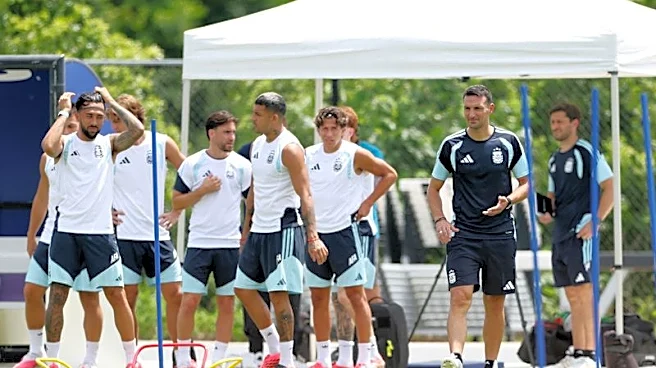
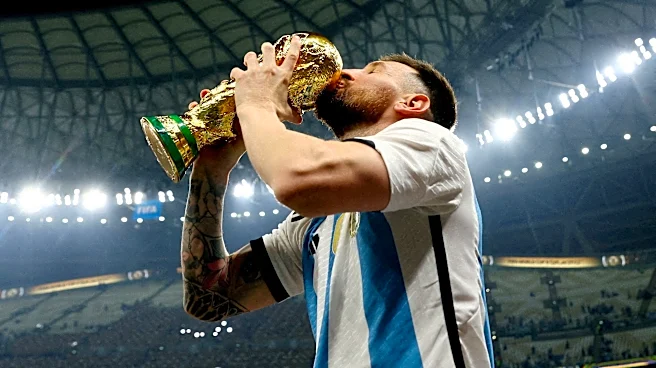
In established soccer cultures, you don't choose your team; you inherit it. This isn't like picking a favorite NFL franchise based on a star quarterback. This is a birthright, a thread connecting you to your parents and grandparents. In places like Argentina,
a child is given a tiny team jersey at birth. Fandom is a language learned at home, where stories of past glories and devastating losses are told and retold. This generational transfer does something profound: it teaches that hope isn't a fleeting emotion tied to one season. It’s a durable, recurring obligation. The team carries the nation's aspirations, and in turn, the fans carry the team, creating a powerful bond of shared experience.
The Ecstasy of the Glorious Failure
Some nations teach hope through its constant deferral. Welcome to England, a country whose modern soccer identity is defined by the “glorious failure.” Since their lone World Cup win in 1966, England has perfected the art of the heartbreaking exit, often via the gut-wrenching drama of a penalty shootout. This cycle of high expectations, media frenzy, and crushing disappointment has forged a unique brand of hope: a pessimistic optimism that anticipates disaster but never fully quits. English fans are well-versed in failure, yet every two years, for the World Cup or the Euros, the belief returns. This teaches a specific lesson: hope isn’t about guaranteed success, but about the resilience to believe again after it all falls apart.
The Burden of Constant Expectation
Then there are the powerhouses, like Brazil and Germany, who teach hope as an expectation of dominance. For a Brazilian fan, hope isn't a gentle wish; it's a demand. Having participated in every World Cup and won the most titles, anything less than a trip to the final can be perceived as a national failure. This creates an immense pressure that new fans can feel immediately. Watching Brazil is not just about enjoying the beautiful game; it's about witnessing a team wrestle with the weight of its own history. For these nations, hope is tied to maintaining a legacy. A win is relief, a loss is a national crisis, and a draw can feel like a defeat. It’s a heavier, more anxious form of hope, but one rooted in a deep-seated belief in their own greatness.
The Underdog's Roar
Perhaps the most potent lesson in hope comes from the underdog. Every World Cup, a smaller nation captures the world's imagination by defying the odds. Think of Morocco's stunning run to the semi-finals in 2022 or the way teams like Cape Verde and Paraguay have challenged traditional giants in 2026. When an underdog team succeeds, it's more than a sporting upset; it’s a national statement. For a month, the team becomes an ambassador for the country's resilience, spirit, and ambition on a global stage. For new fans, these are the purest stories of hope—a reminder that belief, teamwork, and a little bit of magic can allow anyone to compete.