
Myth: The Captain Is the One True Leader
In soccer, the captain's armband is a powerful symbol. In basketball, a player is designated to speak with the refs. We see this formal role and assume it's the beginning and end of the leadership story. But on a national team, that's almost never the case. True leadership is a distributed system, a web of influence, not a monarchy. Think of the U.S. Women’s National Team during its 2019 World Cup run. While a formal captain existed, the team’s emotional and vocal heartbeat was Megan Rapinoe. At the same time, the quiet, relentless standard of professionalism was set by players like Becky Sauerbrunn. Carli Lloyd provided the veteran, seen-it-all-before intensity. Leadership wasn't one person's job; it was a shared responsibility, with different
players stepping up to fill different needs—the motivator, the tactician, the locker room diplomat, the enforcer. The player wearing the armband is often just the public face of a much more complex internal structure.
Myth: The Best Player Makes the Best Leader
It’s the easiest story to tell: the team’s singular talent, the one who scores the goals or makes the clutch plays, naturally assumes the leadership mantle. While it can happen, confusing transcendent skill with leadership ability is a classic mistake. The two traits are not the same, and sometimes, they’re even at odds.
Michael Jordan on the 1992 “Dream Team” is the ultimate case study. He was, without question, the best player on the planet. But his leadership style was famously, and sometimes brutally, demanding. He led through sheer force of will and intimidation, setting a standard no one else could reach and challenging them relentlessly. Compare that to his teammate, Magic Johnson, whose leadership was built on joy, inclusion, and making everyone around him feel like the most important person on the court. On a team of alpha dogs, Magic's diplomatic touch was just as vital as Jordan’s competitive fire. Sometimes, the most effective leader isn’t the one scoring 30 points a night, but the role player who knows how to listen, mediate disputes, and keep the team’s chemistry from imploding.
Myth: It’s All About Rousing Speeches
Hollywood loves the halftime speech. It’s the dramatic climax where a leader, bruised but not broken, delivers a monologue that turns the tide. While those moments can happen, they are the exception, not the rule. Ninety-nine percent of leadership on a national team happens in the quiet, unglamorous moments.
It's the veteran player pulling a rookie aside in the hotel hallway to walk them through a defensive set. It's the star who stays an extra 30 minutes after practice to work with a teammate struggling with their shot. It's the respected figure who organizes a team dinner to get players to connect off the court. San Antonio Spurs legend Tim Duncan, who played for Team USA multiple times, was the archetype of the silent leader. He led not with fiery words, but with unshakable consistency, fundamental soundness, and a professionalism that became the team’s unspoken standard. This quiet, action-based leadership provides the foundation that makes the rare fiery speech actually mean something.
Myth: Club Rivalries Disappear Instantly
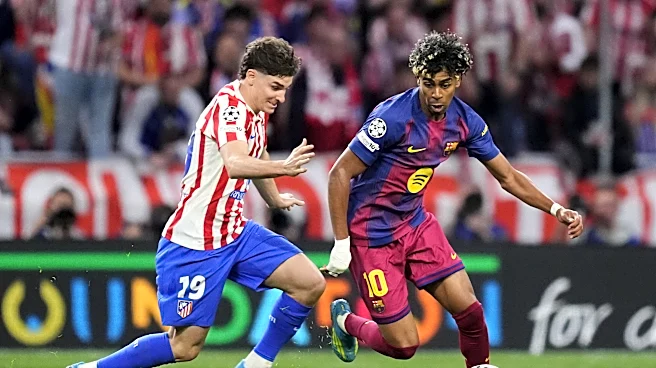
The idealistic view is that once players put on their country's jersey, all the bitter rivalries from their professional clubs melt away for the greater good. That’s a nice thought, but it’s naive. These players spend ten months a year battling each other for trophies, money, and bragging rights. Those tensions don't just vanish.
A huge, and often invisible, part of national team leadership is actively managing and bridging these divides. For years, the Spanish national soccer team was famously split between Real Madrid and Barcelona contingents. The success of their golden era (2008-2012) was due in no small part to the diplomatic leadership of captains like Iker Casillas (Real Madrid) and Xavi Hernández (Barcelona). They made a conscious effort to build bridges, ensuring the El Clásico animosity didn't poison the national team’s well. A true leader on the international stage isn't just a captain of their team; they’re an ambassador between factions.