







The Setting as a Warm Blanket
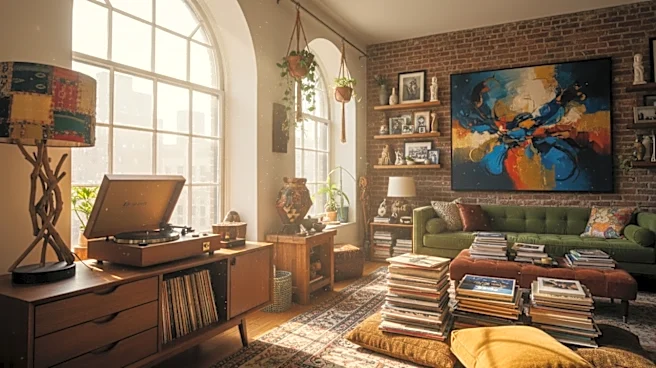
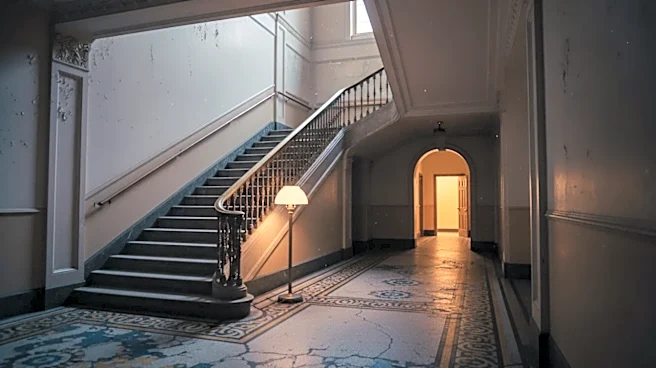
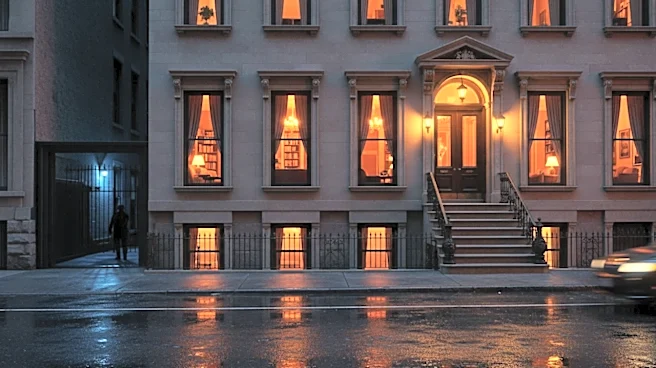
The magic starts with the setting. The Arconia isn't just an apartment building; it's a character in itself—a grand, pre-war Upper West Side fortress of cozy sophistication. With its warm, film-inspired color palette, stunning wallpaper, and secret passageways,
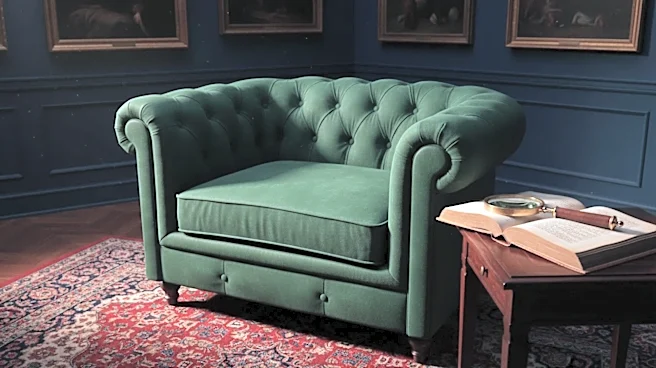
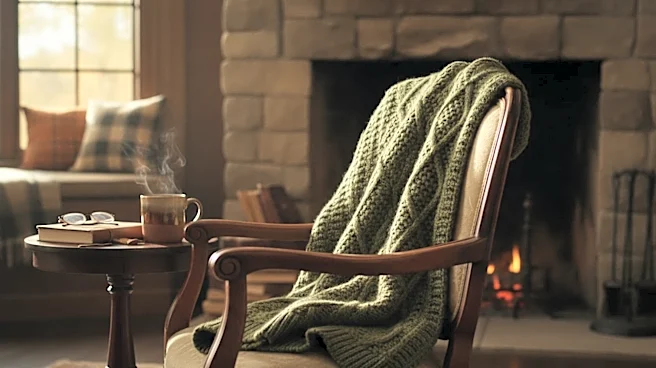
the building feels less like a crime scene and more like a romanticized, autumnal haven. Production designers intentionally crafted a world that feels both luxurious and lived-in, a visual anchor that provides stability even when chaos erupts. Each apartment reflects its resident's personality, from Oliver’s theatrical maximalism to Charles’s clean, mid-century modern lines, creating a rich tapestry of place. This focus on elegant interiors and a specific, aspirational New York aesthetic wraps the audience in a sense of comforting domesticity, making the darker elements feel less threatening.
It’s About Friendship, Not Forensics
At its heart, 'Only Murders' isn't really about the body in the elevator. It’s about the three lonely, intergenerational neighbors who bond over it. The murders are simply the catalyst for the unlikely friendship between Charles (Steve Martin), Oliver (Martin Short), and Mabel (Selena Gomez). Their dynamic, full of witty banter and genuine affection, is the show's true emotional core. The story prioritizes their personal growth and connection over the grim details of the crime itself. We watch Charles slowly emerge from his hermit-like existence, Oliver channel his dramatic flair into something productive, and Mabel process her past trauma. The sleuthing is just the hobby that brings these isolated souls together, making their investigation a quest for community rather than a grim pursuit of a killer.
The Cozy Mystery Blueprint
The show is a masterclass in the 'cozy mystery' genre. These stories intentionally keep the violence off-screen and minimize gore, sex, and profanity. The focus is on the intellectual puzzle of the crime, not its brutality. Cozy mysteries feature amateur sleuths, take place in tight-knit communities, and often involve quirky supporting characters, all of which are hallmarks of 'Only Murders'. The victim is often an unlikeable figure, reducing the emotional toll on the audience. Most importantly, the genre guarantees a resolution. By the end, the killer is unmasked—usually a rational member of the community, not a random psychopath—and order is restored. This predictable formula offers a sense of safety and satisfaction, assuring viewers that even in the face of death, things will eventually be put right.
Humor as the Ultimate Buffer
Laughter is the show’s secret weapon for defanging death. The constant stream of humor—from Oliver’s theatrical meltdowns and dip-related obsessions to Charles's awkward encounters with technology and youth culture—creates a warm, lighthearted tone. The comedy doesn't just provide relief; it reframes the entire narrative. It tells the audience that, despite the central tragedy, this is a world where things aren't too serious. The show leans into age-gap stereotypes for laughs and uses its star-studded guest cast to create moments of pure comedic delight. This blend of murder and mirth allows us to engage with our fascination with crime from a safe distance, giving us the thrill of the puzzle without any of the real-world dread.