




It’s a detail most people overlook, but the buttons on a coat are silent storytellers. Their material, finish, and weight can instantly make a garment feel classic and expensive, dated and cheap, or modern and sharp. Here’s how.
The Plastic and Resin Default
The most common button
material you'll encounter is plastic or polyester resin. It’s the default for mass-market fashion because it’s inexpensive, durable, and can be molded into any shape or color. But this versatility comes with a perceptual cost. A standard, flat, shiny black or brown plastic button often signals 'new' and 'mass-produced.' While not inherently bad, these buttons can sometimes make a high-quality wool or cashmere coat feel less luxurious than it is. On the other hand, higher-quality resin can convincingly imitate other materials, offering durability with a more elevated look. A matte-finish resin button, for instance, can lend a coat a clean, minimalist, and contemporary feel that doesn't scream 'budget,' but rather 'modern design.'
Heritage and Horn
Step into the world of high-end tailoring and classic outerwear, and you'll find horn buttons. Typically made from buffalo or cattle horn, each button is unique, with natural variations in color, grain, and subtle mottling. This natural imperfection is precisely its strength. Horn buttons convey a sense of heritage, craftsmanship, and a connection to traditional menswear. A dark, streaked horn button on a tweed sport coat or a camel overcoat immediately suggests quality and timelessness. It makes the garment feel established, as if it belongs to a wardrobe curated over years, not seasons. Because they are a natural material and more costly, they are a hallmark of a well-made, often expensive, garment.
Corozo: The Sustainable Classic
Often called 'vegetable ivory,' corozo is made from the nut of the Tagua palm tree, native to South American rainforests. Popular in the early 20th century before being eclipsed by plastic, corozo has made a major comeback, prized for both its aesthetic and sustainable credentials. The nuts are harvested after they fall, meaning no trees are cut down. Visually, corozo buttons have a subtle, elegant grain and a signature matte finish that takes dye beautifully. This gives them a unique character—they feel more considered than plastic but less traditional than horn. A set of corozo buttons can make a coat feel thoughtfully designed and modernly classic, appealing to someone who values both style and sustainability.
Metal, Leather, and Wood Accents
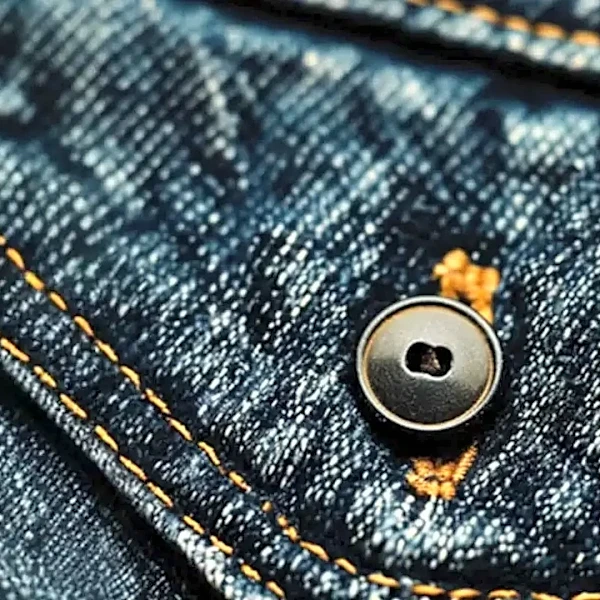
Other materials bring their own distinct personalities. Metal buttons, especially brass or antiqued silver, often give a coat a military or nautical feel, think pea coats and blazers. They suggest durability and function, adding a touch of formal structure or rugged utility. Leather buttons, particularly woven or 'basket' styles, are strongly associated with the 1970s and a vintage, academic aesthetic. Swapping plastic for leather buttons on a tweed or corduroy blazer can instantly shift its perceived era back a few decades. Wood or coconut buttons lend a more rustic, bohemian, or handcrafted vibe. They feel less formal than horn and more earthy than plastic, perfect for a casual, artsyndcrafts inspired look.
The Easiest Wardrobe Update
Understanding these material cues is a style superpower, and the best part is how easily you can use it. Replacing the generic plastic buttons on a perfectly good coat is one of the most effective and affordable ways to elevate it. A simple swap can dramatically change its personality, making a modern coat feel more timeless with horn, giving a thrifted find a fresh look with corozo, or adding a touch of personality with unique metal buttons. It’s a small change that reframes the entire garment, allowing you to fine tune its age and aesthetic to better suit your personal style.