




The All-White Mandate
To understand the texture revolution, you first have to appreciate the rules. Wimbledon's dress code is notoriously strict, a tradition dating back to the Victorian era when showing sweat was considered improper. Today, the All England Lawn Tennis Club
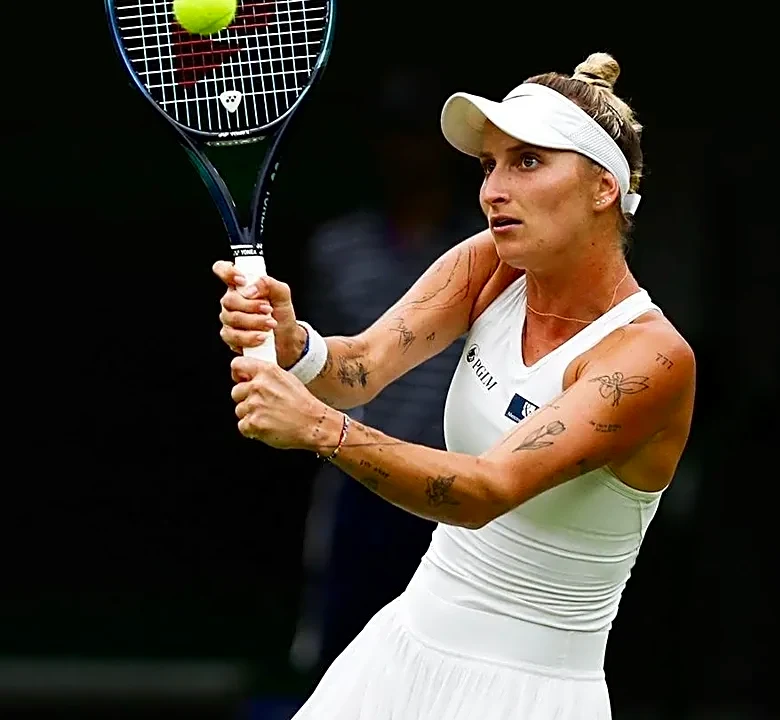
dictates that players must be dressed "almost entirely in white." This doesn't just mean shirts and shorts. It applies to hats, headbands, socks, shoes, and even any undergarments that might become visible during play. Off-white or cream? Not allowed. A trim of color is permitted, but it can't be wider than a single centimeter. For decades, these rules created a uniform, elegant canvas, forcing players to conform to a powerful tradition. But they also created an intriguing design challenge: how do you innovate when your primary tool—color—is taken away?
A New Frontier for Style
When you can't use color, you have to get creative with everything else. Enter texture. Instead of a flat, uniform white, designers began experimenting with different fabric finishes and weaves. Matte finishes, jacquards, engineered knits, and piqué fabrics suddenly became the new language of on-court style. A matte fabric absorbs light differently than a traditional shiny polyester, creating a subtle visual depth. A delicately patterned jacquard can introduce a pattern that's only visible up close, adding a layer of sophistication without breaking the rules. These textures allow players to express a sense of individuality within the rigid framework. It's a way of whispering style instead of shouting it, turning the all-white uniform from a restriction into a canvas for subtle artistry.
The Performance Advantage
But this isn't just a fashion statement. The shift toward textured and matte fabrics is deeply rooted in performance technology. A completely smooth, flat fabric can sometimes cling to the skin when a player sweats, restricting movement and airflow. Many modern textured fabrics are engineered to prevent this. For example, some designs use raised structures or 3D body-mapped patterns that create a small gap between the garment and the skin. This innovation allows air to circulate more freely, helping to keep the player cooler and drier. Matte finishes can also be a component of advanced moisture-wicking technologies, which pull sweat away from the body to evaporate more quickly. In a high-stakes, high-sweat environment like a Grand Slam final, that tiny advantage in comfort and breathability can make a significant difference.
The Psychological Edge
The impact of a uniform goes beyond the physical. Sports psychologists have long studied how apparel affects an athlete's mindset, a concept sometimes called "enclothed cognition." Feeling good in what you wear can directly translate to a boost in confidence and focus. For a tennis player stepping onto Centre Court, wearing a kit that feels modern, tailored, and technologically advanced provides a mental edge. It reinforces their status as an elite athlete at the pinnacle of their sport. This sense of identity and unity, even when expressed through subtle textural details, can enhance feelings of competence and empowerment. When you look the part and feel the part, you're more likely to play the part, and in a game of inches and split-second decisions, that confidence is invaluable.