


The Thing (1982): The Apex of Creature Effects
Forget what you think you know about special effects. Over 40 years later, John Carpenter’s masterpiece of paranoia and cosmic horror remains the high-water mark for practical creature work. A 22-year-old Rob Bottin led a team that used a wild combination
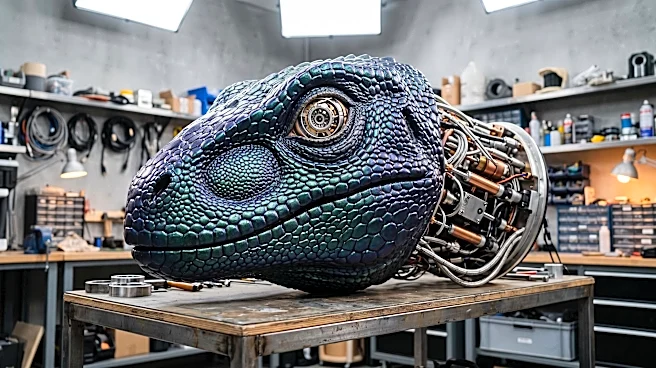
of rubber, chemicals, and mechanical parts to bring the shapeshifting alien to life. The infamous chest-chomping scene and the spider-head scuttle weren't just movie magic; they were groundbreaking achievements in puppetry and animatronics that still hold up against modern CGI. The effects are grotesque, surreal, and, most importantly, they feel horribly, physically real, making the Antarctic crew's terror your own.
Pan's Labyrinth (2006): The Beauty of Dark Fantasy
Guillermo del Toro is a modern champion of practical effects, and nowhere is his artistry more potent than in this dark fairy tale. While set against the Spanish Civil War, its most unforgettable moments come from its creatures. The Faun and the terrifying Pale Man were brought to life not by pixels, but by actor Doug Jones in breathtakingly intricate costumes and makeup. The Pale Man, with his sagging skin and eyes in the palms of his hands, is a monster that crawls straight out of a nightmare and into reality. Del Toro’s insistence on building physical sets and using tangible monsters gives the film a storybook quality that is both beautiful and deeply unsettling.
Hereditary (2018): The Horror of Miniatures
The horror in Ari Aster’s feature debut is multifaceted, but its most unique element is the use of miniatures. The protagonist, Annie Graham (Toni Collette), is a diorama artist, and the film uses her meticulously crafted models to create a suffocating sense of dread. The camera often treats the actual house like one of Annie's models, blurring the line between reality and her disturbed creations. This visual trick suggests that the family members are merely dolls in a pre-ordained tragedy, their lives manipulated by unseen forces. The models aren't just a character detail; they are a key to the film's theme of inescapable fate, making the psychological horror feel chillingly deliberate.
Mad God (2021): The Triumph of Stop-Motion
A true labor of love, Mad God is the result of 30 years of painstaking work from visual effects legend Phil Tippett. This is not the friendly stop-motion of holiday classics; it is a descent into a hellish, dialogue-free world of tortured souls and wretched monsters. Every frame is dense with grotesque detail, from the crumbling bunkers to the bizarre creatures forged from Tippett’s subconscious. The jerky, handmade quality of stop-motion animation gives the film a uniquely unnerving texture, making its apocalyptic journey feel like a fever dream you can’t wake from. It’s a visionary masterpiece that proves the oldest animation techniques can still be the most terrifying.
Suspiria (1977): The Power of Production Design
Dario Argento’s magnum opus is a masterclass in using environment to create horror. The film, about a ballet academy that is secretly a witches' coven, uses its set design to assault the senses. The story unfolds in a kaleidoscope of bold, primary colors and surreal, Art Nouveau-inspired architecture. The impossibly vibrant reds, blues, and greens, combined with jarring geometric patterns, create a world that feels both beautiful and malevolent. Nothing feels real, and therefore anything, no matter how nightmarish, feels possible. The building itself becomes a character, disorienting the viewer and turning a simple horror story into a stunning, terrifying work of art.