


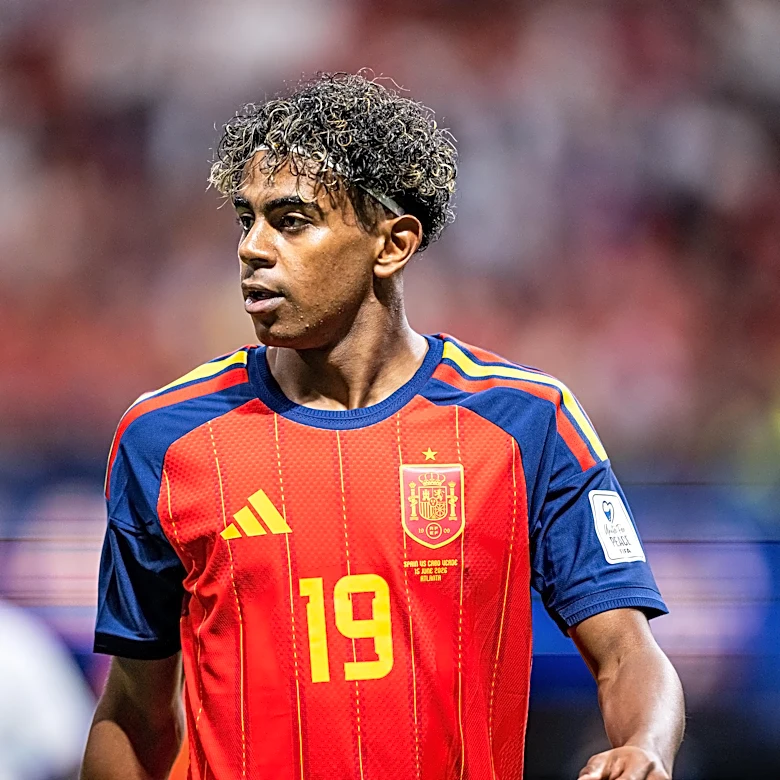







The Myth: More Stars Equals More Success
The logic seems foolproof. If you take the best attacker from one club, the most dominant midfielder from another, and the most decorated defender from a third, you should have an unbeatable force. This is the 'Galáctico' theory, famously attempted by
Real Madrid in the early 2000s and mirrored by national teams ever since. The idea is that individual brilliance will overwhelm any opponent. On a video game, this works every time. On a real pitch, it’s where the problems begin. A team isn't a collection of assets; it's a living, breathing organism. Piling on talent without considering how the pieces fit together is like building an engine with all the most powerful parts from different cars. It looks impressive on a stand, but it will likely seize up the second you turn the key.
Reality: Chemistry Trumps All-Star Rosters
The single most underrated factor in tournament soccer is chemistry. When you assemble a squad of players who are all the undisputed kings at their respective clubs, egos are bound to clash. Who takes the decisive free-kick? Who is the focal point of the attack? Who is willing to do the thankless defensive running for a more glamorous teammate? A successful team needs a hierarchy and a shared sense of purpose. Look at England's so-called 'Golden Generation' of the 2000s, featuring titans like Steven Gerrard, Frank Lampard, and Wayne Rooney. On paper, they were world-beaters. In reality, coaches could never solve the tactical puzzle of playing Lampard and Gerrard together, and fierce club rivalries often bled into the national camp. Conversely, Italy's Euro 2020 victory was a masterclass in cohesion. They weren't the most talented squad, but they were a brotherhood playing with a singular, unified identity.
Reality: Tactics Require Roles, Not Résumés
A great coach doesn't ask, 'Who are my 11 best players?' A great coach asks, 'Who are the best 11 players for my system?' A tactical scheme requires specific roles: a midfielder who holds their position, a winger who tracks back, a forward who makes decoy runs. A superstar, accustomed to having a team built around them, may be unwilling or unable to adapt to a more disciplined, less glamorous role. This is why you often see less-heralded players become national heroes. They understand their job and execute it perfectly. The 2002 Brazilian World Cup-winning team had Ronaldo, Rivaldo, and Ronaldinho, but it was anchored by the relentless, defensive work of midfielders like Gilberto Silva. Without the balance he provided, the stars wouldn't have been free to create their magic. A team full of artists with no one to build the stage is destined to fail.
Reality: Knockout Football Is a Different Beast
A league season is a 38-game marathon. Over the long haul, the deepest pockets and most talented squads usually rise to the top. There's time to recover from a bad result or an injury. A World Cup or Champions League knockout stage is a series of one-game sprints where anything can happen. One unlucky deflection, one questionable refereeing decision, or one 30-minute spell of collective madness can erase months of preparation. The intense pressure is magnified for a 'loaded' squad. The media, the fans, and the nation expect victory. This weight can become suffocating, leading to cautious, fearful play. Meanwhile, the underdog plays with freedom. With no expectations, they can take risks and ride a wave of momentum. Think of Greece's miraculous run to win Euro 2004. They weren't the best team, but they were the best team at not losing in a high-stakes, low-scoring knockout format.