



It's a Philosophy, Not a Secret
The so-called "secret" isn't a hidden stitch but a guiding principle: *sprezzatura*. This classic Italian concept, dating back to the 16th century, is the art of making difficult things look easy. In menswear, it means wearing beautifully crafted clothes
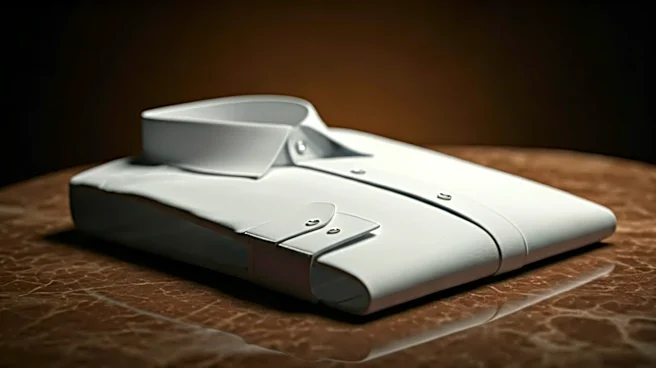
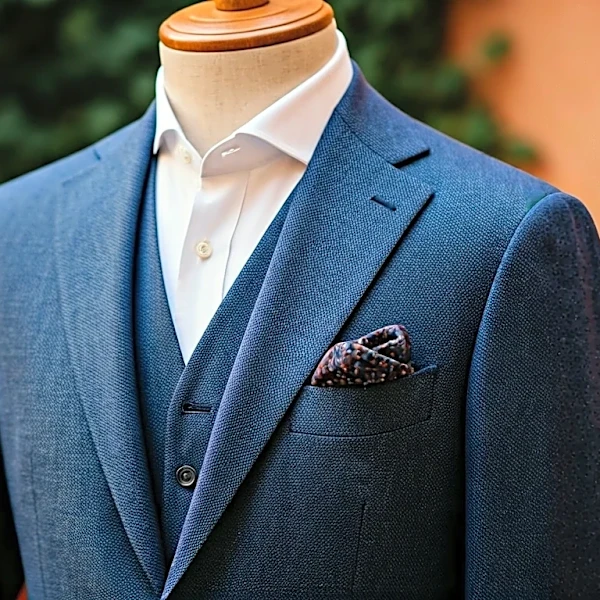
with a deliberate nonchalance—a slightly unbuttoned shirt cuff, a perfectly imperfect pocket square, or a jacket that moves with you, not against you. It’s about looking put-together without appearing like you spent hours trying. This philosophy is the soul of the Pitti look; the tailoring is just how it takes physical form, transforming an abstract idea into something you can wear.
The Unstructured Blazer Is Ground Zero
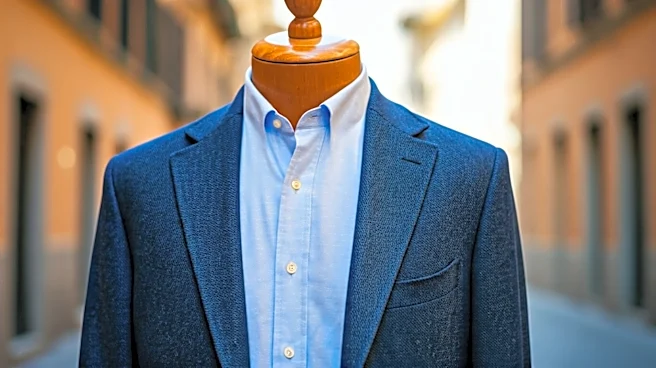
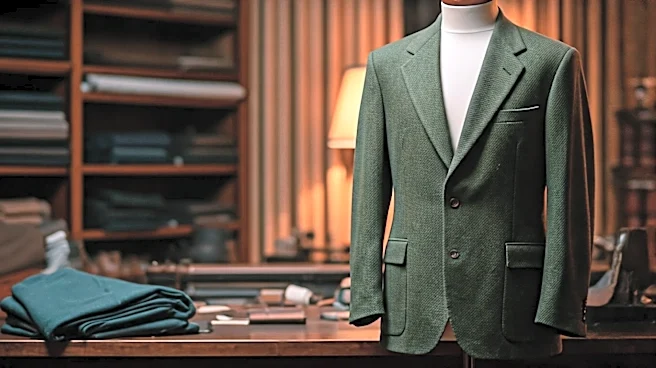
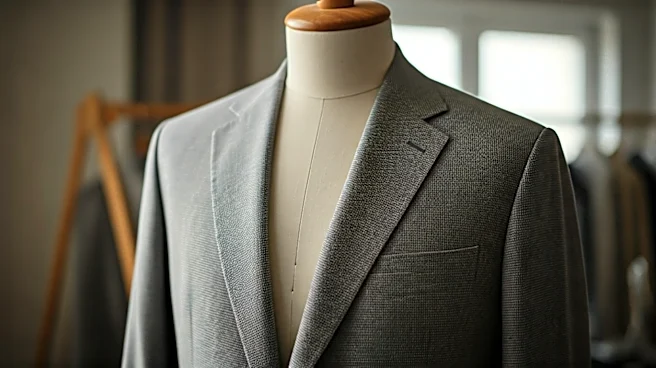
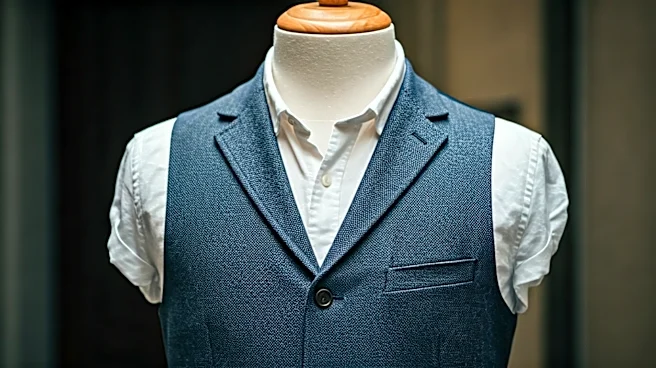
The cornerstone of this aesthetic is the deconstructed, or unstructured, blazer. Unlike its traditional English or American counterparts, which are often built like armor with heavy internal canvas, thick shoulder pads, and full linings, the quintessential Italian jacket is soft and light. Think of it less as a formal shell and more as a sophisticated cardigan. By stripping away the internal architecture, the jacket drapes naturally over the wearer's body, following their lines instead of imposing new ones. This creates a silhouette that is relaxed and comfortable, perfect for a sun-drenched Florentine piazza but increasingly adopted in offices and social settings worldwide.
It’s All in the Shoulders
Look closely at one of these jackets and you’ll notice the most defining feature: the shoulder. The technique is called *spalla camicia*, which translates to "shirt shoulder." Instead of a padded, rigid shoulder that creates a sharp, formal line, the *spalla camicia* is soft, unpadded, and follows the natural curve of your own body. The sleeve head is often attached with a slight pucker or "shirring," which looks like a subtle ripple of fabric where the sleeve meets the jacket body. This isn't a mistake; it's a signature of Neapolitan craftsmanship that allows for incredible freedom of movement and reinforces that air of casual elegance.
Lightweight Fabrics and Natural Textures
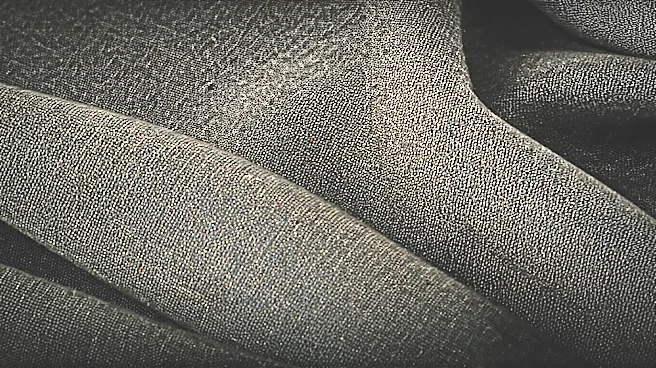
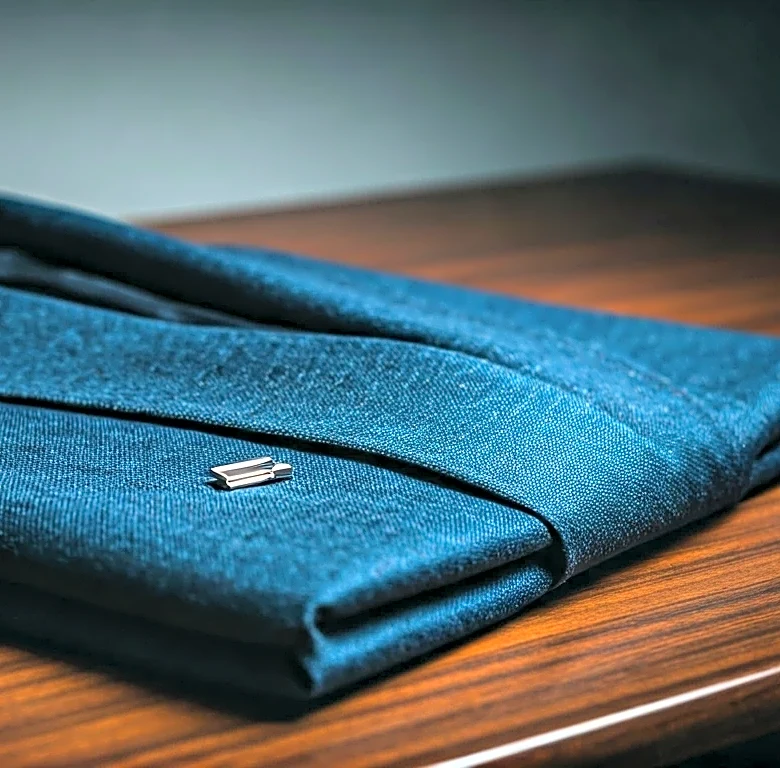
The construction tells half the story; the fabric tells the other. This style shuns the stiff, heavy worsted wools of boardroom suits. Instead, it favors materials that are breathable, textured, and have a natural, almost rumpled character. Think washed linens, slubby silks, hopsack wools, and soft cottons. These fabrics are chosen for their ability to look even better with a few creases, embracing the idea that clothes are meant to be lived in, not preserved in a pristine state. The color palette often leans into earthy neutrals, sun-faded pastels, and rich blues, all of which complement the relaxed nature of the garments.
Details That Signal Ease
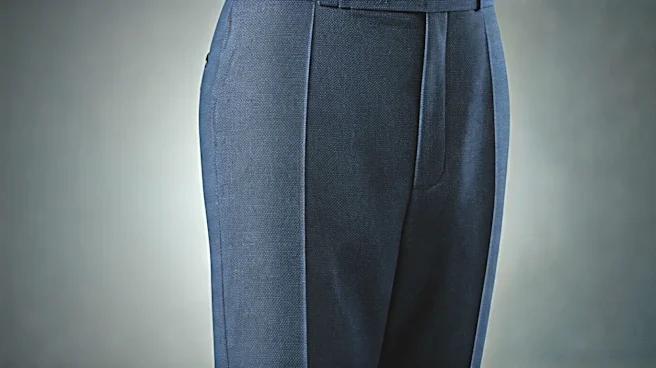
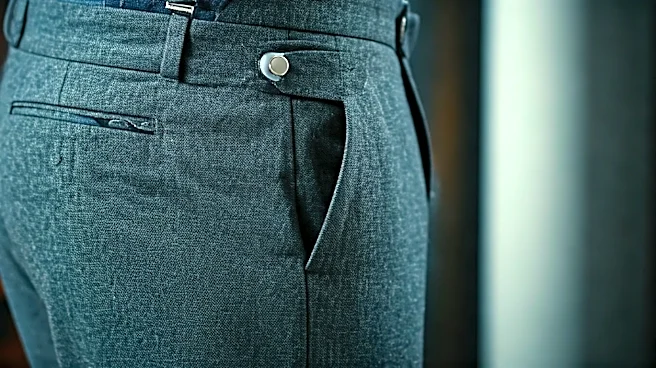
Beyond the jacket’s main construction, smaller details reinforce the off-duty message. Patch pockets, which are sewn onto the outside of the jacket like on a chore coat, are inherently more casual than the sleek, hidden jetted or flapped pockets of a business suit. A *barchetta* or "little boat" breast pocket, which curves gently upward, adds a touch of artisan flair that feels more personal than a standard straight welt. Trousers are often cut with a higher rise and a comfortable taper, sometimes featuring single pleats for added room and drape. It’s the sum of these parts—soft construction, a fluid shoulder, lived-in fabrics, and casual details—that creates the cohesive, confident look that defines modern Italian style.