


It’s All in the Details
The fastest way to kill a heartbreak song is to speak in generalities. “I’m sad” and “I miss you” are feelings, not scenes. Great Americana songwriters operate like novelists, grounding universal emotions in hyper-specific, sensory details. They know
that true connection comes not from a shared feeling, but from a shared, tangible image. Lucinda Williams is a master of this. Her iconic song “Car Wheels on a Gravel Road” doesn’t just tell you about a nomadic childhood; it shows you a “little bit of dirt mixed with tears” on a car window and the sound of a screen door slamming. The pain is real because the details are real. Jason Isbell does the same when documenting his own life, noting that while everyone sees the same moon, each person sees it from a different spot. He’s not just writing about a breakup; he’s writing about the specific weight of silence in a room that used to be full, or the ghost of a memory attached to a particular brand of cigarettes. This technique invites the listener into a private world, making a stranger’s specific loss feel as immediate and visceral as their own. It’s the difference between hearing a story and living in it for three and a half minutes.
The Beauty of the Mess
Pop music often sorts heartbreak into clean categories: the victim and the villain. Americana prefers the mess. Its characters are rarely one-dimensional. They are flawed, contradictory, and deeply human. The narrator might be heartbroken, but they’re also a little bit to blame. They might be angry, but they also might be admitting to a grim satisfaction. This psychological complexity is what keeps the songs from feeling like a pity party. Townes Van Zandt’s characters are often lost souls wandering through the wreckage of their own decisions. Jason Isbell writes about shame and regret with an unflinching honesty that sidesteps easy bitterness. This isn’t about wallowing; it’s about owning the entirety of an experience. Great Americana songs present people as they are, not as they should be. They understand that heartbreak isn’t a clean break but a tangled knot of love, resentment, nostalgia, and relief. By embracing the unvarnished and often unflattering truth, these songwriters create characters who feel less like archetypes and more like people you might actually know. Their pain is believable because their imperfections are recognizable.
Finding the Story, Not Just the Feeling
A feeling is static. A story moves. Many clichéd songs get stuck on a single emotion, repeating it over and over. Americana’s best storytellers know that the song needs to go somewhere. The verses show what happened, the chorus distills what it means, and the bridge offers a shift in perspective—a revelation, a question, or a moment of stark acceptance. Gillian Welch, often with her partner David Rawlings, builds songs that feel like quiet, unfolding revelations. The narrative isn't always linear, but there's a sense of journey. A song might start in despair but end with a flicker of dark humor or weary resilience. It doesn’t need a happy ending, but it needs an ending—a sense that the emotional landscape has changed from the first verse to the last. This narrative discipline prevents the song from becoming an emotional feedback loop. Instead of just stating “I’m heartbroken,” the song shows the process of being heartbroken—the denial, the anger, the bargaining, and the eventual, exhausted peace. It’s this movement that makes the song feel like a lived experience rather than a static complaint.
Letting the Music Do the Talking
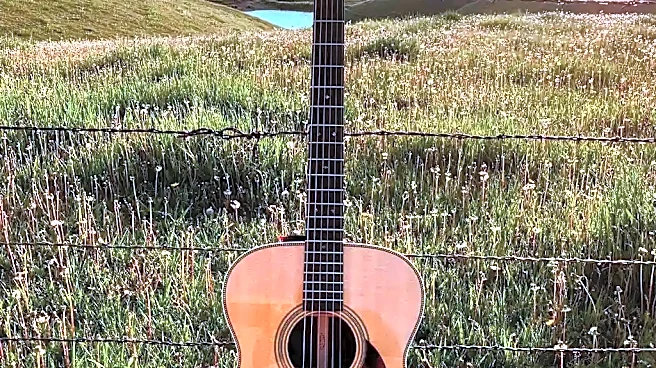
It’s never just about the words. The sonic landscape of Americana is essential to its emotional authenticity. The genre often favors acoustic instruments—weathered guitars, mournful pedal steel, and skeletal banjo—that carry their own history. The production itself often aims for a “live in the room” feel, avoiding the plastic sheen of modern pop. Lucinda Williams famously spent years working on Car Wheels on a Gravel Road with the perverse goal of making it sound less produced, imbuing it with a loose, lived-in feel. The vocal is just as important. A voice with a little grit and mileage, one that cracks or sighs, conveys a world of emotion that lyrics alone cannot. It’s the sound of a human being, not an auto-tuned machine. When Gillian Welch’s spare, haunting voice pairs with David Rawlings’ intricate guitar work, the space between the notes is as heavy as the words themselves. This sonic honesty provides the foundation upon which the lyrical details and messy emotions can stand. It’s the sound of truth, and in a song about heartbreak, that’s the one thing you can’t fake.